
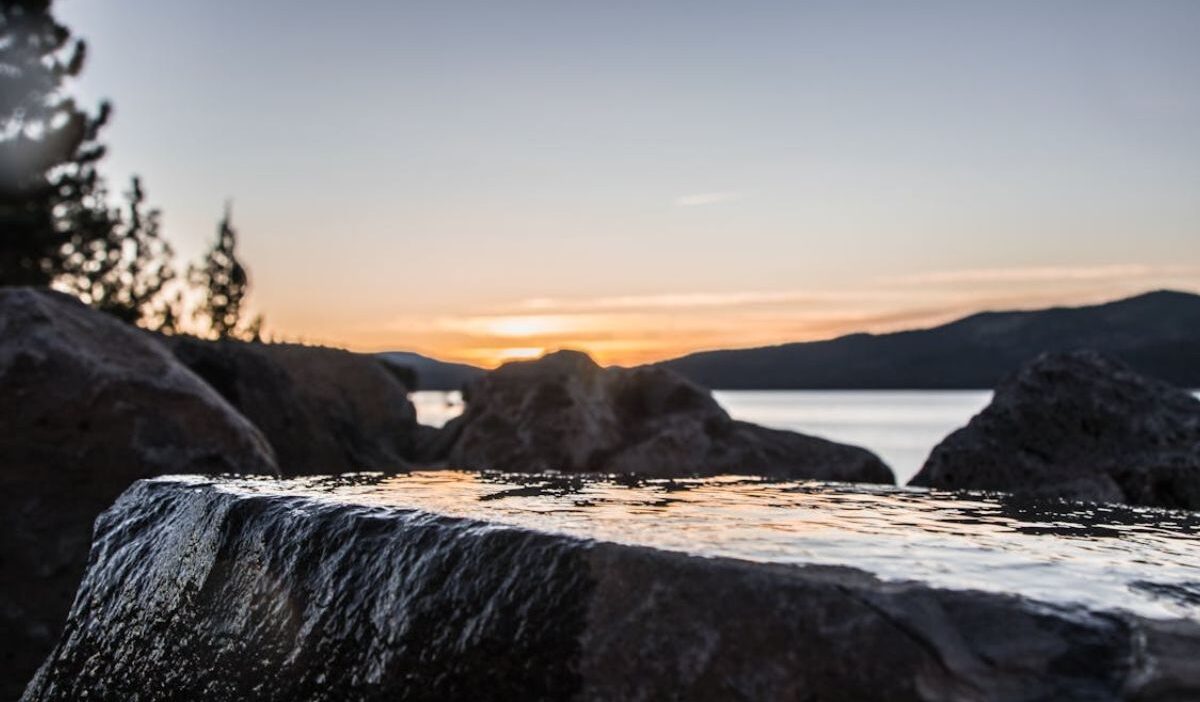
Many travelers ask what state is Lake Tahoe in when planning a trip to this famous mountain destination. Lake Tahoe is one of the largest alpine lakes in North America and is widely known for its clear water, ski resorts, and outdoor recreation.
What State Is Lake Tahoe Located In?
The answer to what State is Lake Tahoe in is unique because the lake is located in two states at the same time. Lake Tahoe sits directly along the border separating California and Nevada in the western United States.
Roughly two-thirds of Lake Tahoe’s shoreline is in California, with the rest located in Nevada. The California side includes areas in Placer County and El Dorado County, while the Nevada side is located mainly within Douglas County and Washoe County.
In What State Is Lake Tahoe If You Visit the Main Tourist Areas?
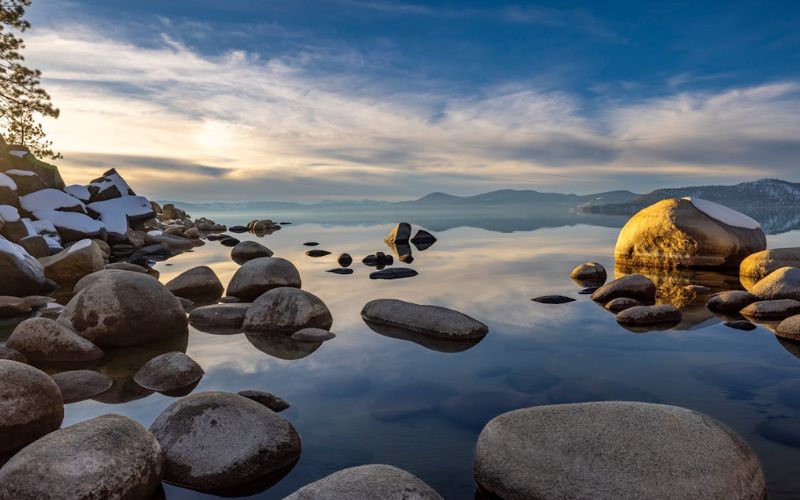
When travelers ask what state is Lake Tahoe in, the answer often depends on which tourist area they plan to visit. A top destination for visitors is South Lake Tahoe, situated on the California shore of the lake.
>>>Read more: Which State Has The Most Lakes? Lake Counts And Shoreline Easy Explained
Why Lake Tahoe Is Split Between Two States
The reason what state is Lake Tahoe is in both California and Nevada comes from historical boundary decisions made during the nineteenth century.
When Nevada became a state in 1864, the border between Nevada and California had already been defined along a north-south line through the Sierra Nevada region. This boundary naturally passed through Lake Tahoe.
Differences Between the California and Nevada Sides
| Category | California Side of Lake Tahoe | Nevada Side of Lake Tahoe |
| Overall atmosphere | Focus on nature, parks, and scenic landscapes | More resort-oriented with entertainment options |
| Major destinations | South Lake Tahoe, Tahoe City, Emerald Bay | Stateline, Incline Village, Zephyr Cove |
| Outdoor recreation | Large number of hiking trails, beaches, and state parks | Scenic viewpoints, boating access, and smaller recreation areas |
| Entertainment options | Family-oriented activities, lakeside events, and outdoor recreation | Casinos, nightlife venues, and large resort complexes |
| Accommodation style | Smaller hotels, cabins, and vacation rentals | Large resorts and casino hotels |
| Environmental protection | Extensive protected park areas and conservation zones | Development focused near resort and tourism hubs |
Which State Side Is Better for Visitors?
- Outdoor recreation access
The California side offers many hiking trails, protected parks, and beautiful natural landscapes. Visitors who prioritize outdoor recreation often prefer California locations along the lake.
- Resort and hotel concentration
Nevada has several large resort complexes near the border in Stateline. These resorts bring lodging, entertainment venues, and nightlife together in a single location.
- Family-friendly vs nightlife environment
California destinations around Lake Tahoe tend to emphasize family travel, beach access, and nature activities. Nevada areas offer more nightlife and entertainment options.
- Cost considerations
Hotel pricing can vary by season and location. Some Nevada resorts provide competitive rates due to the concentration of large hospitality properties, while California accommodations may be smaller or more nature-focused.
>>> Read more: Where Is Gotham City? 9 Surprising Secrets Batman’s Home
FAQs
Is Lake Tahoe in California or Nevada?
Lake Tahoe is located in both California and Nevada. The state boundary runs directly through the lake, so each state controls part of the shoreline.
Where is the exact border line on the lake?
The California-Nevada state line crosses the lake roughly in a north-south direction. This line separates the western shoreline in California from the eastern shoreline in Nevada.
Do you need to cross state lines while driving around Tahoe?
Yes. Driving around the entire lake requires crossing between California and Nevada several times because the highway loop follows the shoreline in both states.
Conclusion
The question what state is Lake Tahoe in has a unique answer because the lake sits directly on the border between California and Nevada. This shared geography creates a destination that combines natural landscapes, resort communities, and recreation opportunities from both states.