
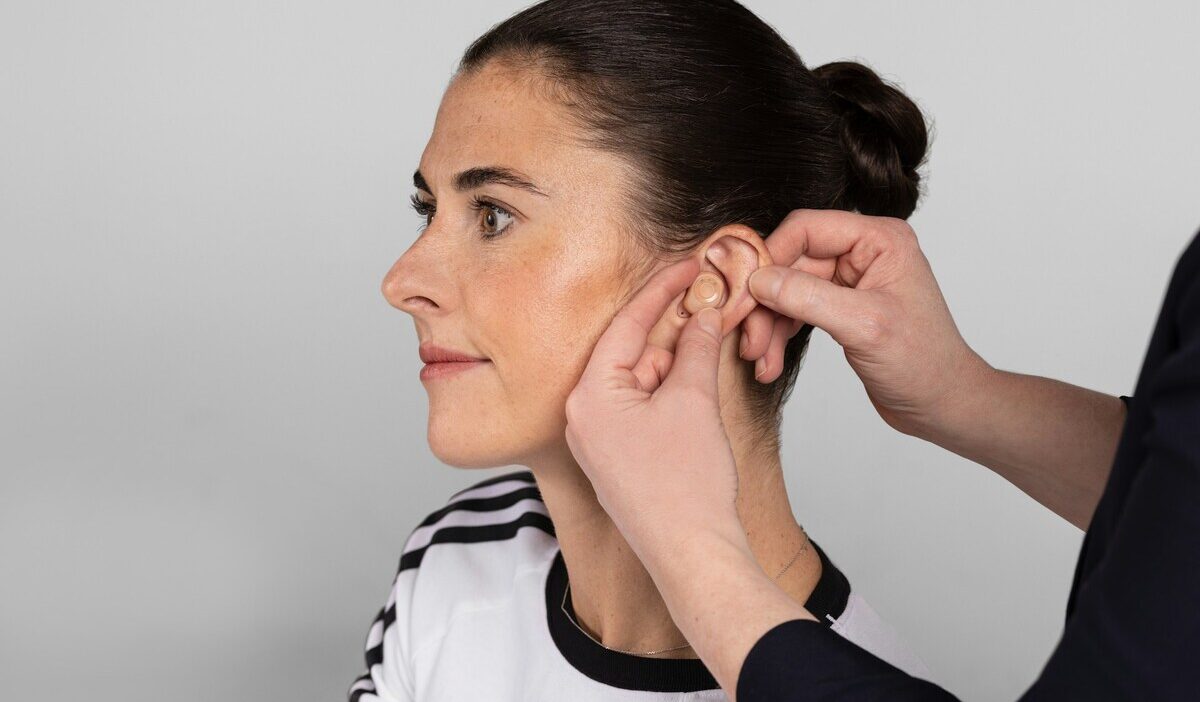
Itchy ears perimenopause symptoms are more common than many people realize, yet they rarely get attention compared to hot flashes, mood swings, or sleep disturbances.
What makes them confusing is that they don’t always feel like a “hormone symptom,” even though they often come from the same internal shifts happening during this stage of life.
The discomfort can range from mild irritation to a constant urge to scratch, and in many cases, it comes and goes depending on other symptoms and triggers happening in the body.
This guide breaks down why it happens, how it connects to hormonal changes, and what you can realistically do to feel better.
1. Can Perimenopause Cause Itchy Ears?
For many people, perimenopause itchy ears feel unexpected because the ears are not usually associated with hormonal changes. However, estrogen plays a role in maintaining skin hydration and barrier function throughout the body, including the delicate skin inside the ear canal.
When estrogen levels fluctuate, that protective balance can shift. The result is often dryness, increased sensitivity, or a slightly irritated feeling that shows up as itching.
This is also why the symptom can appear inconsistently. Some days the skin feels normal, while on others it becomes reactive without any clear external reason.
At the same time, it is important to recognize that not every case is hormonal. Earwax buildup, allergies, or mild skin conditions can produce a very similar sensation, which is why understanding the full picture matters.
2. Why Perimenopause Causes Itchy Ears
When looking at itchy ear perimenopause changes more closely, several biological factors often overlap rather than acting alone.
One of the biggest contributors is reduced moisture in the ear canal. The lining of the ear is made of sensitive tissue that depends on steady hydration. As hormone levels fluctuate, this tissue can dry out more easily, leading to irritation or flaking sensations.
Another factor is the gradual decline in collagen and natural oils. These substances help maintain skin elasticity and protection. When they decrease, the skin around and inside the ears becomes thinner and more reactive, making even minor irritants feel noticeable.
Histamine sensitivity can also play a role. During perimenopause, the body’s inflammatory response can become more reactive, which means the skin may itch more easily in response to dryness, heat, or environmental triggers.
Finally, hot flashes can intensify the sensation. When blood vessels expand rapidly, the ears may feel warm or flushed, and that added heat can make existing dryness feel more irritating.
>>> Read more: Can You Get Pregnant During Perimenopause? Fertility Facts Easy Explained
3. Other Ear Symptoms That Can Come With Perimenopause
In many cases, perimenopause symptoms itchy ears do not appear alone. They often sit alongside other subtle ear-related changes that are easy to overlook.
Tinnitus and ringing in the ears
Some people notice new or worsening ringing, buzzing, or humming sounds in one or both ears during perimenopause.
The exact mechanism is not fully understood, but it is thought to relate to how hormone fluctuation affects blood flow and the inner ear structures involved in hearing.
Earaches and increased sensitivity to sound
Mild earaches, a sense of fullness or pressure, or increased sensitivity to loud sounds can also accompany the hormonal changes of perimenopause. These perimenopause symptoms itchy ears, often overlap with dryness and itching, since the same tissue changes affecting moisture can also affect comfort and pressure regulation in the ear canal.
4. Itchy Ears Perimenopause Treatment and Relief
Most hormone-related ear itching responds well to simple moisture-focused approaches, with a doctor as the next step if symptoms persist.
4.1 Natural Remedies and Home Treatments
A common first step is applying a small amount of a gentle oil, such as olive or coconut oil, to the outer ear area. This helps support the skin barrier and reduce dryness-related irritation.
It is important to avoid inserting cotton swabs or objects into the ear canal, as this can worsen irritation or disrupt natural wax balance.
Another helpful approach is reducing the itch–scratch cycle. Even light scratching can trigger more sensitivity, making the itching feel worse over time.
Hydration also plays a supporting role, since general skin dryness often reflects internal moisture balance.
4.2 Over-the-Counter Options That Help
For more persistent discomfort, ear drops designed for dry or itchy ear canals can provide targeted relief. These are formulated to safely moisturize the inner ear environment without causing further irritation.
In some cases, general skin moisturizers may also help when dryness extends to the outer ear and surrounding skin.
4.3 Discussing Hormone-Related Symptoms With a Healthcare Provider
If itchy ears are part of a broader pattern of perimenopause symptoms, mentioning them to a doctor alongside other symptoms gives a fuller picture of what is happening hormonally.
Medical News Today notes that itchy ears have many possible causes, so a doctor can help confirm whether dryness, an underlying skin condition, or something else is the primary driver, and recommend the most appropriate treatment for the ear symptoms specifically.
5. When Ear Itching May Not Be Related to Perimenopause
In these cases, ear itching may not be related to perimenopause:
- Earwax buildup
- Allergies and skin conditions
- Ear infections
See a doctor if itchy ear perimenopause is accompanied by pain, discharge, hearing loss, dizziness, or if it does not improve with simple moisturizing approaches after a couple of weeks.
>>> Read more: Signs Perimenopause Is Ending: What Late-Stage Symptoms Look Like
6. FAQs
Do Itchy Ears Get Worse as Perimenopause Progresses?
There is no fixed pattern. Some people notice improvement over time, while others experience intermittent flare-ups. Because hormone levels fluctuate rather than decline steadily, symptoms like this can also vary unpredictably.
Can Diet Help With Perimenopause Itchy Ears?
Diet is not a direct treatment, but it can support overall skin health. Staying hydrated and including healthy fats may help reduce dryness in general. However, if symptoms are triggered by specific foods, that may suggest a sensitivity rather than a hormonal cause.
Will Itchy Ears Go Away After Menopause?
For some people, symptoms ease once hormone levels stabilize. For others, lower estrogen levels after menopause may still contribute to dryness-related discomfort. In those cases, ongoing skin and ear care can continue to provide relief.
7. Conclusion
Itchy ears perimenopause symptoms are a real but often overlooked part of hormonal changes during midlife. While they may seem minor compared to other symptoms, they follow the same biological patterns of dryness, sensitivity, and fluctuating hormone activity that affect the rest of the body.
Understanding this makes the symptom easier to recognize, manage, and put into context as part of a broader transition rather than an isolated issue.