
Vision care plays a role in daily functioning, learning, and long-term health. Many people enrolled in Medicaid ask does Medicaid cover eye exams before scheduling a visit with an eye doctor. The answer depends on age, visit type, and state Medicaid rules.
Does Medicaid Cover Eye Exams?
The question does Medicaid cover eye exams has different answers for children and adults.
Rule for children under 21: Medicaid includes mandatory vision coverage for children and teens through the Early and Periodic Screening, Diagnostic, and Treatment (EPSDT) benefit.
Rule for adult above 21: For adults, coverage depends on how each state designs its Medicaid program. Some states include routine eye exams for adults, while others limit coverage to medical eye care only.
Because of these differences, does Medicaid cover eye exams should always be checked at the plan level.
Eye Exam Types Medicaid May Pay For
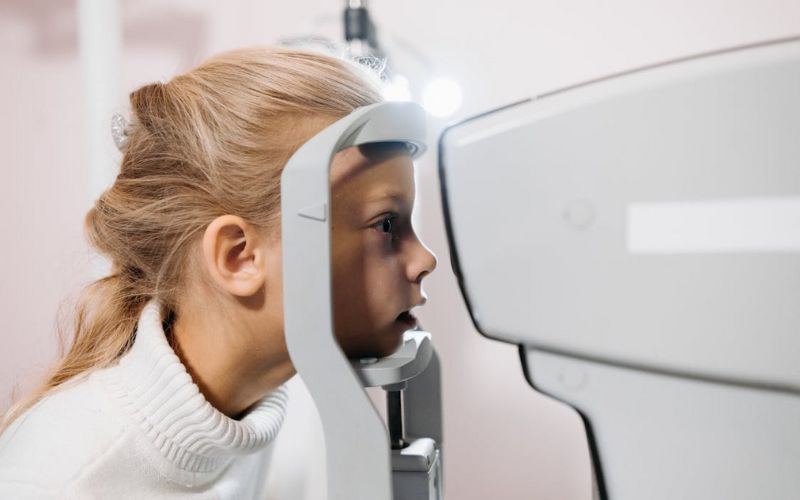
Routine vision exams focus on eyesight testing and prescription updates. Medicaid must cover these exams for children. For adults, routine exams may or may not be included, depending on state policy. This distinction often affects how does Medicaid cover eye exams are applied.
- Medical eye visit for symptoms or disease
Medical eye visits address symptoms such as pain, infection, vision loss, or diagnosed eye conditions. These visits are often treated as medical care rather than routine vision services. Medicaid is more likely to pay for these visits when medical symptoms are documented.
- Exams tied to glasses or contacts
Eye exams connected to prescribing glasses or contacts may be reviewed separately from routine exams. Coverage for refraction/prescription and the eyewear itself may have separate limits.
What Medicaid Must Provide
Children and Teens
Children and teens under Medicaid must receive vision screening, diagnosis, and treatment when issues are identified. For this group, does Medicaid cover eye exams is generally answered yes when exams are age-appropriate and medically supported.
Adults
Adult vision benefits are decided by each state. Some states include routine eye exams, while others focus on treatment for eye disease only. This explains why does Medicaid cover eye exams for adults varies by location.
>>> Read more: Does Medicaid Cover Invisalign? Coverage Rules & 4 Steps
What Medicaid May Not Pay For in Vision Care
- Premium or designer eyeglass frames
Medicaid vision benefits usually include basic frames only. Frames with brand names, special materials. Members may choose these options but are typically required to pay the full cost themselves, even when does Medicaid cover eye exams for the visit.
- Frequent replacement of glasses outside plan limits
Most Medicaid plans set rules on how often glasses can be replaced. Requests for new glasses before the allowed timeframe may not be paid. Loss or damage may also fall outside coverage rules unless specific conditions are met.
- Contact lenses without qualifying conditions
Contact lenses are often limited to cases where glasses cannot correct vision or where a medical condition requires them. This is a frequent point of confusion after people learn does Medicaid cover eye exams but not all vision supplies.
- Vision services considered non-medical
Does Medicaid cover eye exams? Some vision services are classified as routine or elective rather than medical. These services may not be included in adult Medicaid plans. Coverage decisions depend on how the service is categorized by the state program.
How to Check Your Medicaid Vision Benefits
Step 1: Confirm your Medicaid enrollment and plan type
Begin by reviewing your Medicaid card to identify whether you are enrolled in a state-run Medicaid program or a managed care organization. The plan name and ID number listed on the card are required when asking about benefits.
Step 2: Review the vision section in your member handbook
Each Medicaid plan provides a member handbook or benefit summary. Locate the section related to vision or eye care. This section explains covered exam types, age-based rules, and frequency limits.
Step 3: Call the Medicaid member services line
Use the phone number printed on your Medicaid card to contact member services. Ask direct questions about eye exam coverage, visit limits, and whether referrals are required. Member services can confirm whether does Medicaid cover eye exams applies to routine visits.
Step 4: Ask about provider network rules
Vision coverage usually applies only when care is provided by enrolled eye doctors. Ask member services how to find in-network optometrists or ophthalmologists. Using a provider outside the network may result in denied payment even if the exam itself is covered.
Step 5: Confirm coverage with the eye doctor’s office
Before scheduling an appointment, contact the eye doctor’s office and confirm that they accept your Medicaid plan. Offices can verify eligibility and explain what documents are needed at check-in.
Step 6: Keep written or digital records
Save notes from calls, benefit summaries, and appointment confirmations. Having records helps resolve questions if billing issues arise later. For some members, using a free phone with Medicaid makes it easier to store digital copies and manage communication with providers.
Step 7: Use communication tools to stay organized
Staying in contact with your plan and providers helps manage vision care. Access to a free phone with Medicaid can support appointment reminders, plan calls, and follow-up questions related to vision benefits.
>>> Read more: Does Medicaid Cover Braces? Kids, Adults & Approval
Can You Get a Free Phone With Medicaid?
Medicaid enrollment may help eligible individuals access communication support through federal assistance programs such as Lifeline.
Lifeline provides a monthly service discount, not a device guarantee. However, some participating providers may offer a phone as part of their service enrollment. Device availability depends on the provider, state rules, and current inventory.
Step-by-step to get a free phone with Medicaid
Getting a free phone with Medicaid usually involves enrollment through the federal Lifeline program and a participating provider such as AirTalk Wireless.
Step 1: Confirm Medicaid eligibility
Medicaid participation is one of the qualifying criteria for Lifeline. Active enrollment is required before applying for phone assistance.
Step 2: Choose a Lifeline provider
AirTalk Wireless is an approved Lifeline provider that offers phone and service options to eligible individuals. Availability may vary by state.
Step 3: Submit an application with the required documents
Applicants typically provide proof of Medicaid enrollment and identity information. This process may be completed online through the provider’s application system.
Step 4: Complete verification and approval
Applications are reviewed through the National Verifier system. Once approved, the applicant becomes eligible to receive a free phone with Medicaid through the selected provider.
Step 5: Receive the device and activate service
After approval, AirTalk Wireless ships the phone to the approved address. Activation instructions are provided so service can begin without in-person setup.

Which free phone should you get with Medicaid?
Phone models available through AirTalk Wireless vary based on location and inventory. Options often include basic smartphones that support calling, texting, and mobile data.
- iPhone 7
- iPhone 8
- iPhone 13 Pro Max
- iPhone 12 Pro Max
- iPhone 11 Pro Max
- iPhone 14
- iPhone 12 Mini
- Galaxy S20 FE 5G
- Galaxy A42 5G
- S67 5G
- Verde
AirTalk Wireless lists current phone options during the application process, allowing applicants to review available models before selection.
Conclusion
The answer to does Medicaid cover eye exams depends on age, visit type, and state Medicaid rules. Children receive broad vision coverage, while adult benefits vary across states. Checking plan details before scheduling care helps avoid confusion.