
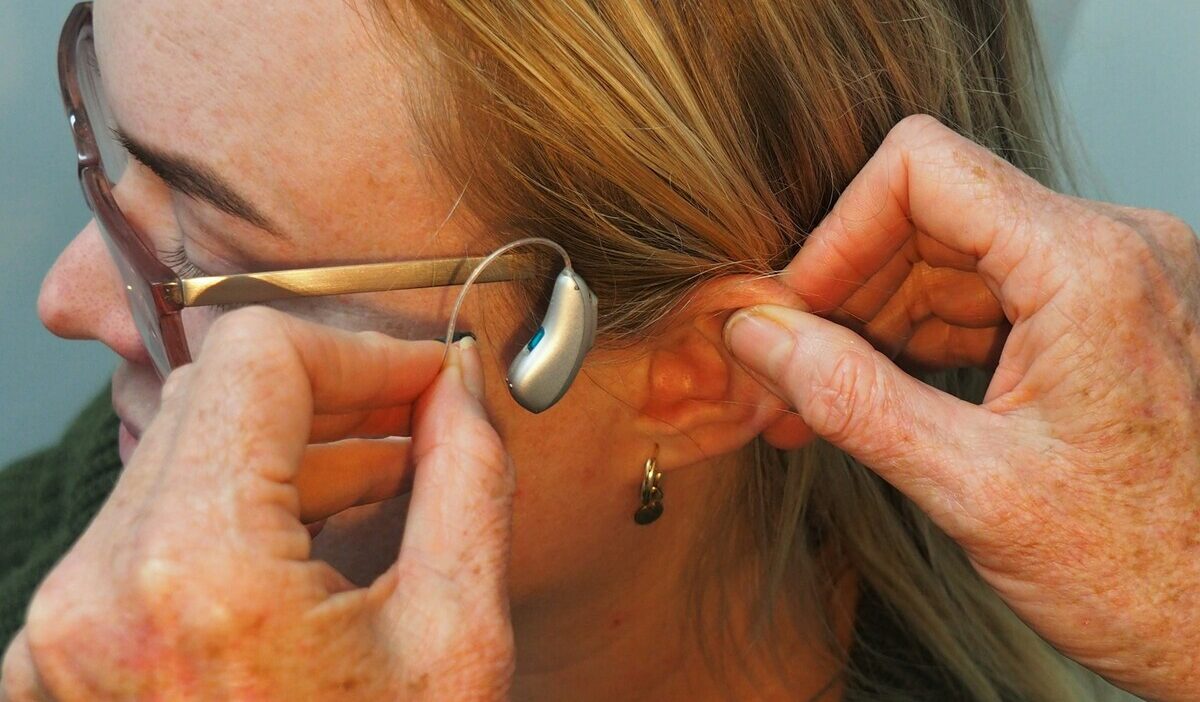
For many people, the price of hearing aids can feel overwhelming. Costs often reach into the thousands, leaving those without strong insurance coverage searching for financial help.
If you’re enrolled in Medicaid, it’s natural to wonder does Medicaid cover hearing aids and under what circumstances. Coverage is not one-size-fits-all. It can vary based on your age, documented medical need, and your state’s specific Medicaid policies.
This guide breaks down how eligibility works, what benefits may be available, and what steps are typically involved in seeking approval for hearing aids.
Understanding Medicaid Hearing Benefits
Medicaid hearing benefits are regulated at both the federal and state levels. Federal law requires comprehensive hearing coverage for children, while adult hearing benefits are optional for states.
Because of this structure, hearing aid coverage can look very different depending on where you live and how old you are.
Does Medicaid Cover Hearing Aids?
Medicaid can include hearing aid benefits, but access is not the same in every situation.
Broadly speaking, children under 21 receive mandatory coverage when hearing aids are medically necessary.
For adults, however, benefits depend on the rules set by each state’s Medicaid program. In many cases, documentation from a licensed provider is required, and prior authorization must be obtained before devices are issued.
Who Can Qualify for Hearing Aid Benefits Under Medicaid?
Access to hearing aid coverage through Medicaid is based on more than just income. Several criteria are typically reviewed before approval is granted.
First, you must be actively enrolled in Medicaid. From there, eligibility often depends on your age, since children and adults are treated differently under federal and state rules.
The severity of documented hearing loss also plays a key role, as coverage generally requires proof of medical necessity. In addition, each state sets its own benefit guidelines, which can affect what is approved.
Simply meeting Medicaid’s income limits does not automatically ensure that hearing aids will be covered.
Hearind Aids Coverage for Children
Medicaid provides strong hearing support for children and teens under age 21. Through the federally required Early and Periodic Screening, Diagnostic, and Treatment (EPSDT) benefit, states must cover hearing services when they are considered medically necessary.
In practical terms, if a qualified healthcare provider determines that a child needs hearing aids, Medicaid is obligated to cover them.
When parents ask, “does Medicaid cover hearing aids,” the answer for children usually includes the full process of care.
This often means diagnostic hearing exams, professional evaluations and fittings, the hearing aids themselves, and ongoing support such as repairs or medically necessary replacements.
Because hearing directly affects speech development, communication skills, and learning, children generally receive the most comprehensive level of coverage under Medicaid.
>>>>Read more: Does Medicaid Cover Glasses? Easy Guide in 2026
Hearing Aids Coverage for Adults
The situation is different once you turn 21. When asking, “does Medicaid cover hearing aids” for adults, the answer depends entirely on where you live.
Federal guidelines do not require states to include hearing aids as a mandatory adult benefit, which means each state sets its own rules.
In some states, adults may receive full coverage. In others, benefits may be limited to specific medical conditions, capped at a certain dollar amount, or excluded altogether.
Because policies vary, adults enrolled in Medicaid should review their state’s benefit handbook or contact their local Medicaid office to confirm what hearing services, if any, are available to them.
How Do You Qualify for Free Hearing Aids?
Many people wonder, How do you qualify for free hearing aids? Getting hearing aids through Medicaid usually requires meeting both financial and medical qualifications.
Now that the coverage is clear, let’s take a look at “How do you qualify for free hearing aids?” When coverage is provided through Medicaid, approval generally depends on two main factors: financial eligibility and medical need.
Medicaid Financial Eligibility
Before hearing aids are even considered, you must first be approved for Medicaid. Eligibility is generally based on factors such as:
- Household income
- Family size
- Age
- Disability status
- Other state-specific criteria
Because each state administers its own Medicaid program within federal guidelines, income limits and qualification standards can differ depending on where you live.
Medical Necessity Standards
After meeting financial requirements, most states require proof that hearing aids are medically necessary. This often includes:
- A documented diagnosis of hearing loss from a licensed audiologist
- Evidence that the hearing loss interferes with communication or daily functioning
In certain states, mild or borderline hearing loss may not meet the coverage threshold.
State-Level Rules and Approval Process
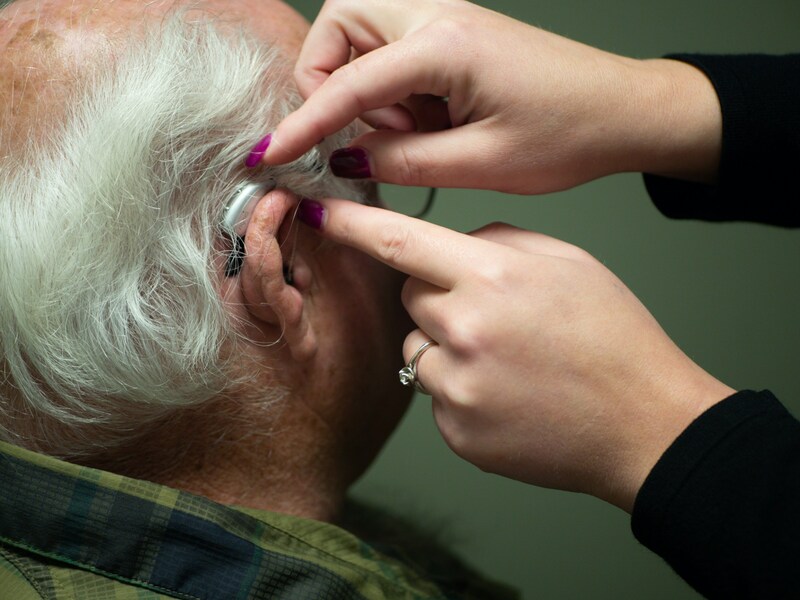
Even when financial and medical criteria are met, additional state rules may apply. Some Medicaid programs require prior authorization before devices are approved. Others set minimum hearing loss levels or restrict coverage to specific Medicaid-approved hearing aid models.
Because policies vary by state, reviewing your state’s Medicaid handbook or contacting your local Medicaid office is the most reliable way to confirm exact qualification requirements.
>>>>Read more: Does Medicaid Cover Invisalign? Coverage Rules & 4 Steps
Which Hearing Benefits Are Included Under Medicaid?
Even in states where adult hearing aids are not fully covered, Medicaid may still pay for several related hearing services. The scope of coverage depends on your state’s specific plan.
Diagnostic Hearing Exams
Most state Medicaid programs include coverage for professional hearing tests.
These evaluations are used to diagnose hearing loss, measure its severity, and determine whether hearing aids or other treatments may be appropriate.
Device Fittings and Follow-Up Care
If hearing aids are approved, Medicaid commonly covers services tied to proper use of the devices.
This may include the initial fitting, device programming, necessary adjustments, and scheduled follow-up appointments to ensure the aids are functioning correctly.
Repairs and Replacement Policies
Some Medicaid plans also provide support for ongoing device care. This can include repairs for defective equipment and replacement of hearing aids that are lost or damaged, although restrictions typically apply. Certain states may also cover limited maintenance services.
Keep in mind that replacement frequency is often capped, particularly for adults, and approval may depend on medical justification or prior authorization rules.
What Portion of Hearing Aid Costs Does Medicaid Cover?
When people ask, “does Medicaid cover hearing aids,” the next question is usually about how much financial help is actually provided. The answer depends largely on how each state structures its benefits.
State Payment Structures
Medicaid does not always offer unlimited coverage. Many states approve only certain categories of devices, typically focusing on basic models that meet medical needs.
Some programs also set a maximum reimbursement amount per hearing aid or per coverage period. If a device costs more than the state’s approved rate, the difference may not be covered.
Replacement Guidelines
Hearing aids are not typically replaced every year. Most Medicaid plans follow a standard timeframe, often allowing replacement every few years.
However, exceptions may be made if there is documented evidence of significant hearing changes or if the device is damaged beyond repair. Pediatric enrollees may receive more flexible replacement consideration because their hearing and physical needs can change as they grow.

Expenses That May Not Be Included
Even when Medicaid pays for the primary device, certain extras may fall outside standard coverage. These can include upgraded technology, specialty accessories, or optional service enhancements.
Still, if the approved device falls within your state’s benefit limits and meets medical necessity requirements, Medicaid may reduce the cost substantially, sometimes covering the hearing aids with minimal or no direct expense to the enrollee.
Steps to Request Hearing Aids Through Medicaid
If you believe you need hearing aids, obtaining coverage through Medicaid typically involves several stages. While procedures vary slightly by state, the general process is similar nationwide.
First, confirm that your Medicaid coverage is active. Without current enrollment, hearing-related benefits cannot be reviewed or approved.
Next, schedule an appointment with a hearing professional who accepts Medicaid. This is important because not all specialists participate in state Medicaid programs. During your visit, the provider will conduct a comprehensive hearing exam to assess the severity and type of hearing loss.
If the results show that hearing aids are medically necessary, the provider will prepare the required documentation and submit a request for authorization to Medicaid on your behalf. Approval is not automatic and may depend on state-specific guidelines.
Once authorization is granted, you will typically select from devices that fall within your state’s approved coverage options.
Partnering with a hearing specialist familiar with Medicaid procedures can help reduce delays and ensure that all required paperwork is properly submitted.
>>>Read more: Does Medicaid Pay for Braces? Quick Guide 2026
Common Questions About Medicaid and Hearing Aids
Will Medicaid Pay for Any Hearing Aid Model I Choose?
Not always. While Medicaid may cover hearing aids when they are medically necessary, coverage is typically limited to models that meet basic clinical needs and fall within the state’s approved pricing guidelines.
If you prefer a premium device with advanced features, Bluetooth upgrades, or specialty technology, you may have to pay the difference out of pocket.
Can I Go to Any Hearing Aid Provider I Want?
Usually, no. To use your Medicaid benefits, you generally need to visit a hearing specialist who participates in your state’s Medicaid network.
If a provider does not accept Medicaid, services and devices may not be covered. It’s a good idea to confirm participation before booking your appointment to avoid unexpected costs.
Conclusion
Did you find the answer to your case when searching for does Medicaid cover hearing aids?
Generally, Medicaid may cover hearing aids, especially for children and for adults in states that include hearing benefits. However, coverage is not the same everywhere, and approval often depends on state rules and documented medical need.
Reviewing your state’s policy and working with a Medicaid-participating provider can make the process smoother. When eligibility and medical requirements are met, hearing aids may be obtained at little or no cost.