

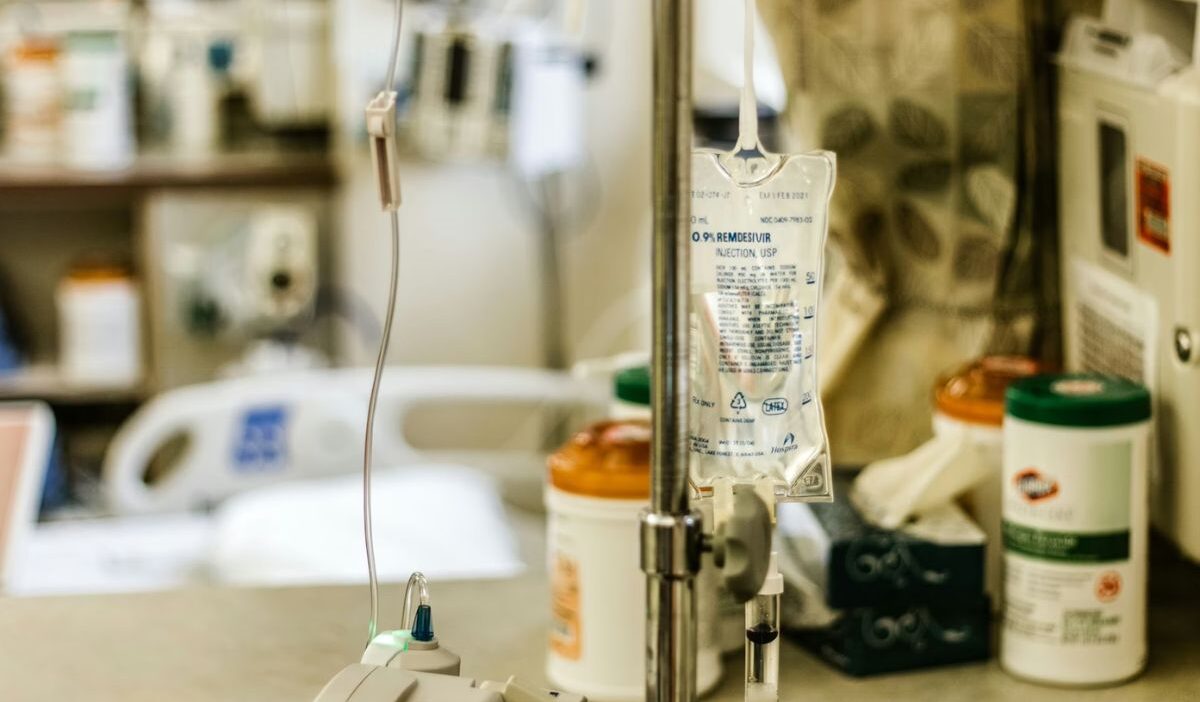
Many patients wonder does Medicaid cover IV therapy and under what circumstances the service is approved. Coverage can depend on several factors, including medical necessity, the treatment setting, and state-specific Medicaid policies.
Does Medicaid Cover IV Therapy?
Medicaid may cover IV therapy, but coverage depends on the patient’s medical condition, setting, and state-specific rules.
Hospital and certified outpatient infusion settings are most commonly covered. Approval typically requires documentation from a licensed healthcare provider demonstrating medical necessity.

State-by-State Differences in IV Therapy Coverage
Medicaid coverage for IV therapy varies by state, as each state manages its program under federal rules. This means whether Medicaid will pay for IV therapy depends on where you live, the type of IV service, and whether it is deemed medically necessary.
| State | Home IV Therapy Coverage | Hospital/Outpatient Coverage | Notes |
| North Carolina | Yes, under certain conditions | Yes, for medically necessary treatments | Includes IV antibiotics, TPN, chemotherapy, pain management |
| New York | Coverage depends on prior authorization, benefit category, and provider certification | Yes, inpatient and outpatient medically necessary IV therapy | Some managed care plans vary |
| California | May cover, although authorization requirements apply | Yes, covered with prior authorization and documentation | Home infusion may need special approval codes |
| Texas | Yes, hospital-based IV therapy is generally covered | Yes, hospital-based IV therapy generally covered | Managed care plan rules apply |
Policies vary by Medicaid managed care plan and may change frequently.
What Qualifies as IV Therapy Under Medicaid?
IV therapy under Medicaid generally refers to treatments in which fluids, medications, or nutrients are delivered directly into the bloodstream through an intravenous line.
- Intravenous Fluids for Dehydration
Does Medicaid cover IV therapy? IV fluids to treat dehydration caused by illness, heat exposure, or chronic conditions are commonly covered when prescribed by a medical professional. Proper documentation of fluid loss and clinical need is required.
- IV Medications and Antibiotics
Medications administered intravenously, including antibiotics, antivirals, or other prescription drugs for serious infections or conditions, are typically eligible for coverage. This includes inpatient, outpatient, and sometimes home-based IV therapy.
- Total Parenteral Nutrition (TPN)
Patients unable to absorb nutrients through normal eating may receive TPN. Medicaid generally covers TPN if medically justified, with careful monitoring by a healthcare provider.
- Chemotherapy and Specialty Infusions
Chemotherapy and certain specialty infusions (e.g., immunotherapy, biologics) administered via IV are considered medically necessary and usually covered, either in hospital or certified outpatient infusion centers.
>>> Read more: Does Medicaid Cover Zepbound? Critical 2026 Facts
IV Therapy Coverage Scenarios Under Medicaid
Does Medicaid cover IV Therapy in a hospital setting?
Yes, hospital-administered IV therapy for dehydration, infection, or critical illness is typically covered under Medicaid as part of inpatient care.
Does Medicaid cover IV Therapy for dehydration?
Medically documented dehydration often qualifies for Medicaid coverage, especially when oral rehydration is insufficient.
Does Medicaid cover IV Vitamin therapy?
Medicaid rarely covers IV vitamin therapy unless prescribed for a specific medical deficiency documented by a physician.
Conditions Commonly Approved for IV Treatment
- Dehydration and Electrolyte Imbalances
Patients experiencing severe dehydration or electrolyte disturbances due to illness or chronic conditions are commonly approved for IV fluids. Documentation from a physician showing clinical need is required.
- Serious Infections
IV antibiotics or antivirals for infections like sepsis, cellulitis, or complicated urinary tract infections are generally covered, as oral medications may be insufficient.
- Nutritional Support (TPN)
Total parenteral nutrition is approved for patients unable to meet nutritional needs orally or via tube feeding. Medicaid requires medical justification and monitoring plans.
- Chemotherapy and Biologic Treatments
Cancer treatments or specialty infusions such as immunotherapy are usually approved in hospital or certified outpatient settings when medically necessary.

Outpatient Infusion Coverage Rules
- Medical Necessity Requirement
Does Medicaid cover IV therapy? Outpatient IV therapy must be justified by a healthcare provider, showing that treatment is essential for the patient’s condition.
- Prior Authorization Often Required
Many states and managed care plans require approval before outpatient IV therapy can begin. Submitting documentation in advance prevents delays.
- Covered Infusion Types
Medicaid generally covers approved IV fluids, medications, chemotherapy, TPN, and specialty infusions when delivered in certified outpatient centers.
- Provider Certification
Infusions must often be performed in state-approved outpatient facilities or by certified home infusion providers to ensure coverage eligibility.
>>>Read more: Is Ketamine Treatment Covered By Medicaid? What You Need To Know
FAQs
Does Medicaid cover IV Therapy at wellness clinics?
Typically no. Coverage is limited to medically necessary settings approved by the state Medicaid program.
Is home IV Therapy covered?
Home IV therapy may be covered in limited cases. May be covered when ordered by a physician, and provided through certified home infusion providers.
Conclusion
Does Medicaid cover IV therapy? Coverage is case-specific, depending on the patient’s condition, treatment setting, and state regulations. Hospital and outpatient IV therapy are most often covered, while wellness or home infusions usually require prior authorization or may not be included.