
Is string cheese healthy? It’s one of those snacks that feels too convenient to be good for you, but it actually holds up better than most packaged options on store shelves.
Protein, calcium, and a short ingredient list in a pre-portioned stick is a reasonable deal for a grab-and-go snack. The one thing worth keeping an eye on is sodium, especially if you’re reaching for more than one a day.
Read on to see how it stacks up and whether it deserves a regular spot in your diet.
1. Is String Cheese Healthy? What One Stick Actually Contains
1.1 Protein, Calcium, Fat, and Sodium Per Serving Explained
Pick up a standard mozzarella string cheese stick, and you’re holding about 28 grams of food for roughly 80 calories. That’s not much. But what’s packed into those 80 calories is what makes it interesting.
You get 6 to 7 grams of protein, enough to take the edge off hunger. You get calcium that your bones are quietly using all day. And you get almost zero sugar, which puts it ahead of most things in the snack aisle before the conversation even starts.
The ingredient list on most brands is four lines long. Milk, cheese cultures, salt, and enzymes. That’s it. For something pre-wrapped and shelf-stable enough to survive a work bag, that’s genuinely hard to beat.
- Calories: 70 to 85
- Protein: 6 to 7 grams
- Fat: 5 to 6 grams (3 to 4 grams saturated)
- Carbohydrates: 0 to 1 gram
- Calcium: 150 to 200 mg (15 to 20% daily value)
- Sodium: 150 to 200 mg
Protein is what keeps you full. When a snack has enough of it, your body takes longer to feel hungry again, which means you’re less likely to reach for something else twenty minutes later. Seven grams per stick isn’t a huge amount, but for 80 calories, it’s an efficient trade.
Calcium does something quieter. Your body uses it constantly to keep bones strong, and most people don’t get enough across the day. One stick covers about 15 to 20% of what you need daily. That’s a meaningful contribution from something you eat in two minutes.
1.2 How String Cheese Compares to Other Common Snacks
Those numbers look decent in isolation. But nutrition labels only tell part of the story, context is what makes them meaningful. So it helps to put string cheese next to what most people are actually choosing instead.
The fairest comparison isn’t against a boiled egg or a handful of almonds. It’s against what most people actually reach for around 3 pm when hunger hits.
- String cheese (1 stick): 80 cal, 7g protein.
- Handful of chips (28g): 140 to 160 cal, 2g protein.
- Granola bar (average): 190 cal, 4g protein, 12g sugar.
- Crackers (5 to 6 crackers): 70 cal, 1.5g protein, low satiety.
- Boiled egg (1 large): 70 cal, 6g protein. Closest nutritional equivalent.
The only snack that comes close nutritionally is a boiled egg, with similar calories and similar protein.
The real difference between them isn’t fat or calories. It’s sodium. String cheese has two to three times more salt per serving than an egg does. That gap is manageable for most people, but it becomes the one number worth watching as the day adds up.
1.3 The Main Health Benefits and Concerns to Know
Now that the comparison is clear, it’s worth going deeper into what those numbers actually do inside your body, because the benefits of string cheese are more connected than they first appear.
Protein keeps hunger under control between meals. Calcium supports bone density over the long run. And the near-zero carbohydrate content means it won’t spike your blood sugar, something that matters more than most people realize, especially mid-afternoon when energy tends to dip, and cravings kick in.
There’s also something underrated about the individual packaging. Snacking from a block of cheese makes portion control invisible. A pre-wrapped stick makes it obvious. That built-in limit reduces mindless eating in a way that’s easy to underestimate.
The concerns follow the same logic. Saturated fat in one stick is fine; your body handles a small amount without issue. But it accumulates quietly. If you’re already eating other full-fat dairy or fatty meats throughout the day, string cheese is adding to that total, whether you’re tracking it or not.
Sodium works the same way. One stick is fine. Two sticks from snacking alone, before you’ve touched a meal, puts you at 300 to 400 mg just from this one food. Each stick feels small, which makes it easy to lose count, and that’s exactly where the concern lives.
>>> Read more: Is Guacamole Healthy? Nutrition Facts and What Dietitians Say
2. How Different Types of String Cheese Fit Into a Healthy Diet
Understanding those concerns makes the next question more practical: Does switching to a lower-fat version actually fix anything, or does it just look better on paper?
2.1 Regular Mozzarella vs Low-Fat String Cheese
Let’s kick off with the 2 simple questions first: Is mozzarella string cheese healthy? Is low fat string cheese healthy?
Low-fat string cheese cuts calories to around 50 to 60 per stick and drops fat to about 4 grams. On paper, that sounds like an easy upgrade.
The issue is what changes in the process. When fat is reduced, texture suffers; low-fat versions tend to be chewier and noticeably less satisfying to eat. That matters because satisfaction is part of what stops you from reaching for more food afterward.
A regular stick that actually feels like a snack often does more for your hunger than a low-fat version that leaves you still wanting something.
If managing calories is the goal, one regular stick often beats two low-fat ones. The numbers look different on the label, but the effect on hunger tends to favor the version that actually feels filling.
2.2 When String Cheese Works Well as a Snack
If you’re aksing is string cheese a healthy snack? the same logic applies.
Satisfaction over optics. Shapes when string cheese earns its place the most. It works best when you need something portable, protein-forward, and genuinely low in sugar. A mid-morning snack that bridges breakfast and lunch without a caloric cost. An after-school option for kids that delivers protein and calcium without the sugar crash that follows most packaged alternatives.
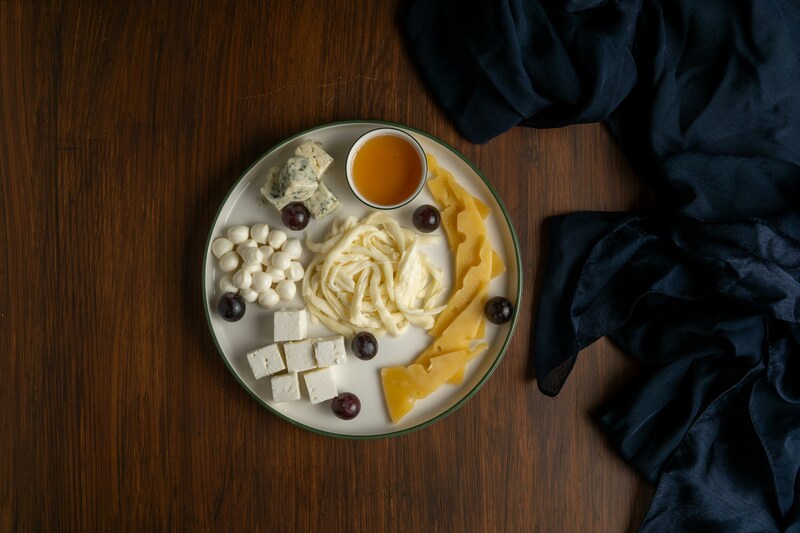
It works less well as a standalone snack for anyone who needs fiber to feel satisfied. String cheese has no essential nutrients. Pairing it with an apple, a few grapes, or some sliced vegetables adds the fiber and micronutrients that round out the snack, and makes it more filling than either food alone.
2.3 Can String Cheese Support Weight Loss Goals?
Another question need to be cleared up is that is string cheese healthy for weight loss?
Because the same qualities that make it a solid everyday snack, protein, low sugar, and built-in portion, are exactly what make it useful in a calorie-managed diet.
Protein-rich snacks tend to keep hunger quieter for longer than carb-heavy snacks at the same calorie level. That means one or two sticks in the afternoon can reduce how much you eat at dinner, not dramatically, but consistently over time. That consistency is where the real impact lives.
Where it stops helping is when portions slide. Three sticks are 240 calories and close to 600 mg of sodium. That’s not a snack anymore, it’s closer to a small meal. The individual packaging nudges you toward stopping at one, but the nudge only works if you’re paying attention.
>>> Read more: Is Fairlife Milk Healthy? A Dietitian-Backed Nutrition Breakdown
3. FAQs
How Many Sticks of String Cheese Can You Eat Per Day?
One to two sticks is the sweet spot for most adults. That covers your protein and calcium needs from a snack without pushing sodium into territory worth worrying about. Beyond two, the benefits plateau while the saturated fat and sodium keep climbing.
Can Kids Eat String Cheese Regularly?
Yes, and it’s one of the better packaged snacks for them. Clean protein, calcium for growing bones, no added sugar, and a portion that’s already decided. One stick a day fits comfortably within normal sodium limits for most age groups.
Can People With High Blood Pressure Eat String Cheese?
One stick a day is fine for most people managing blood pressure. Two or more requires tracking it carefully against the rest of your daily sodium. Low-sodium varieties exist and cut the per-stick count nearly in half — worth considering if salt is something your doctor has flagged.
Does String Cheese Fit Into a Keto or Low-Carb Diet?
It’s one of the easiest keto snacks available. Near-zero carbs, no prep, no label math needed. Regular mozzarella works better than low-fat if hitting higher fat targets is part of your plan.
4. Conclusion
Is string cheese healthy? Yes, as a portion-controlled, high-protein, low-carbohydrate snack with meaningful calcium content and minimal added ingredients.
Sodium is the main consideration. One to two sticks per day is appropriate for most adults. People managing blood pressure should monitor their intake and consider low-sodium varieties.
For kids, athletes, keto dieters, and anyone looking for a convenient protein snack, string cheese earns its place in a healthy diet.