

Is guacamole healthy? For a food that often gets lumped in with chips and party snacks, it holds up surprisingly well nutritionally.
Fresh guacamole is built around avocado, which brings monounsaturated fat, fiber, potassium, and a range of vitamins that most dips simply can’t match. The ingredients themselves are rarely the issue.
Where things get complicated is portion size and what you’re scooping with. Read on to get the full picture.
1. Is Guacamole Healthy for You? The Full Nutritional Picture
1.1 What Guacamole Is Made of and Why the Ingredients Matter
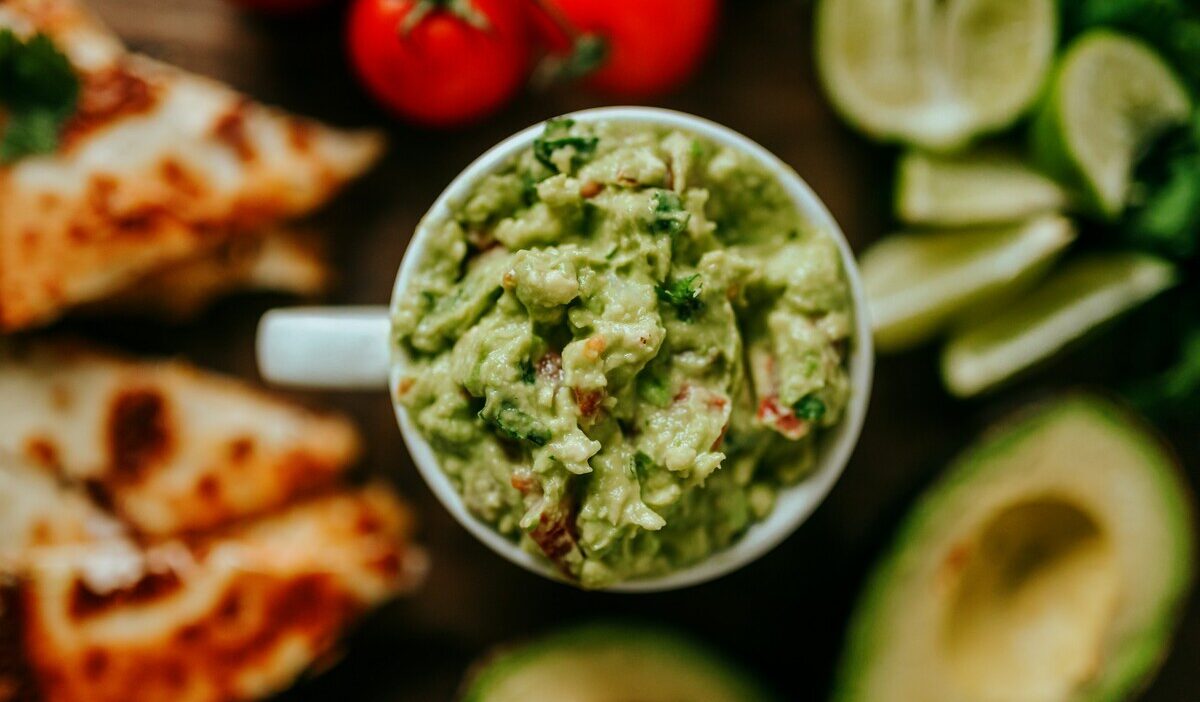
Traditional guacamole is avocado-based. The typical recipe combines ripe avocado, lime juice, salt, white or red onion, fresh cilantro, and sometimes tomato and jalapeño.
Most traditional guacamole ingredients contribute nutritional value.
- Avocado provides healthy fat and fiber. Lime juice adds vitamin C and brightens flavor without calories.
- Onion and tomato contribute antioxidants and vitamins.
- Cilantro adds phytonutrients.
- Salt is the only ingredient to moderate, and in home cooking, it is easily controlled.
Traditional homemade guacamole is generally considered nutritionally balanced. The challenge arises with store-bought versions that add preservatives, fillers, and excess sodium.
1.2 Key Nutrients Per Serving: Healthy Fats, Fiber, Vitamins, and Antioxidants
How healthy is guacamole becomes clear when you look at what a two-tablespoon serving delivers. A two-tablespoon serving (about 30 grams) of fresh guacamole provides approximately:
- Calories: 45 to 55
- Fat: 4 grams (mostly monounsaturated)
- Fiber: 1.5 grams
- Potassium: 130 to 150 mg
- Folate: 10 to 15% daily value
- Vitamins C, E, K, and B6 in smaller but meaningful amounts
Per USDA FoodData Central, avocado is one of the few foods that provides significant potassium (more per serving than a banana by weight) alongside substantial healthy fat and fiber simultaneously.
1.3 Potential Health Benefits of Guacamole
The monounsaturated fats in avocado, primarily oleic acid, are the same type found in olive oil.
These fats are associated with reduced LDL cholesterol, improved HDL levels, and reduced inflammation markers in multiple clinical studies.
Avocado also contains lutein and zeaxanthin, carotenoid antioxidants linked to eye health. Its fiber content supports gut health and slows glucose absorption when eaten with carbohydrates.
The potassium in guacamole supports blood pressure regulation, with avocado providing more potassium per gram than most commonly eaten fruits.
2. Is Homemade Guacamole Healthy vs Store-Bought?
2.1 What Store-Bought Guacamole Often Adds That Hurts Its Health Profile
Store-bought guacamole frequently contains ingredients that reduce its nutritional quality: modified food starch, citric acid, isoascorbic acid, and soybean oil used to extend shelf life and reduce cost.
Some commercial versions replace a significant portion of avocado with these fillers. Check the ingredient list. If avocado is not the first ingredient, or if the fat content per serving is below 3 grams, the product has been diluted significantly from real guacamole.
Is Chipotle guacamole healthy? Chipotle’s guacamole is made from avocado, lime juice, cilantro, red onion, jalapeño, and salt.
It is one of the more nutritionally straightforward restaurant guacamoles available, with a clean ingredient list and no significant fillers.
A standard side portion contains approximately 150 to 170 calories and 13 to 15 grams of fat, almost entirely from avocado. It is one of the simpler restaurant-style guacamole options nutritionally.
>>> Read more: Is Coleslaw Healthy? Nutrition Facts, Benefits, and the Truth
2.2 How to Make Guacamole as Nutritious as Possible at Home
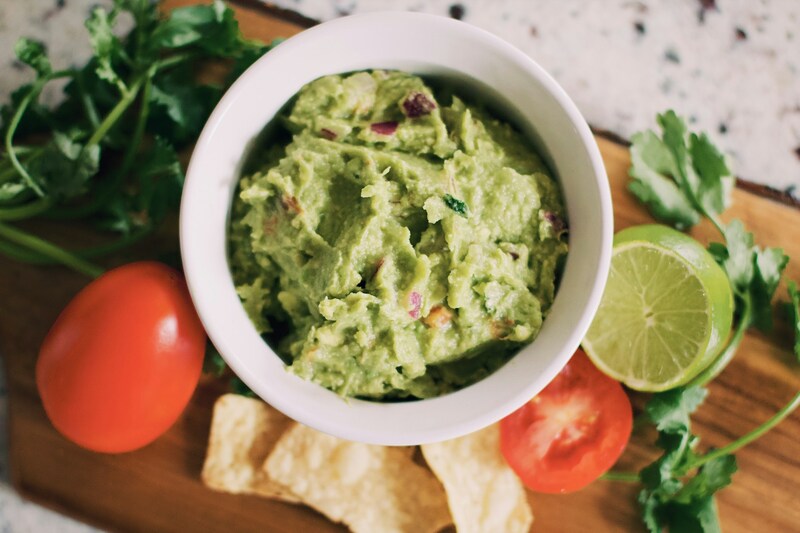
Homemade guacamole is the most nutritious version. Use ripe avocados, fresh lime juice, a pinch of salt, diced red onion, fresh cilantro, and optional tomato and jalapeño.
To maximize nutritional value, use the avocado while fully ripe to ensure peak oleic acid and antioxidant content. Add the lime juice immediately after mashing to slow oxidation. Keep the added salt to a minimum. Eat fresh rather than storing overnight to preserve vitamin C and flavor.
Pair guacamole with vegetables like cucumber, bell pepper strips, jicama, or radishes instead of tortilla chips for a lower-calorie, higher-nutrient delivery vehicle.
3. Is Guacamole Healthy for Weight Loss and Blood Sugar?
Guacamole supports both goals when portioned correctly.
For weight loss, the monounsaturated fat and fiber in guacamole slow gastric emptying, increasing satiety per calorie.
Some studies on avocado suggest that consumption consistently shows that people who eat avocado at lunch consume fewer total calories later in the day.
For blood sugar, guacamole has a negligible glycemic impact on its own. It has essentially no net digestible carbohydrates per two-tablespoon serving.
When paired with a carbohydrate, guacamole’s fat and fiber slow glucose absorption, reducing the blood sugar spike compared to eating the carbohydrate alone.
The weight loss concern is portion size. Guacamole is calorie-dense. A quarter cup contains around 100 calories. Eating multiple servings while watching a movie adds up quickly without feeling like a significant meal.
>>> Read more: Is Fairlife Milk Healthy? A Dietitian-Backed Nutrition Breakdown
4. FAQs
Can People With Diabetes Eat Guacamole Regularly?
Yes, and it’s actually a smart pairing with carbohydrates. The fat and fiber in guacamole help moderate blood sugar response, and avocado is on the American Diabetes Association’s recommended food list for good reason. Swapping tortilla chips for non-starchy vegetables makes it an even better option for blood sugar management.
Is It Okay to Eat Guacamole Every Day?
In reasonable portions, yes. Daily avocado consumption has been well studied, and a 2021 Journal of Nutrition study found that eating one avocado a day for six months neither caused weight gain nor worsened cholesterol. Two to four tablespoons a day is a practical amount that delivers real nutritional benefit without going overboard on calories.
How Does Guacamole Compare to Dips Like Hummus or Sour Cream?
Guacamole and hummus are both solid choices, each with its own strengths. Guacamole leads on healthy fat and potassium, while hummus edges ahead on protein and fiber. Sour cream trails behind both, offering mostly saturated fat with little nutritional upside. In terms of calories per two-tablespoon serving, guacamole and hummus are broadly comparable, while sour cream delivers less for roughly the same amount.
What Is a Reasonable Serving Size for Guacamole?
Two tablespoons is the standard serving at around 45 to 55 calories. Most people land between two and four tablespoons at a meal, which is perfectly reasonable. As a topping on eggs, salads, or grain bowls, a quarter cup gives you a more generous portion with about 100 calories of healthy fat and fiber.
5. Conclusion
Is guacamole healthy? Few dips can actually back that claim up, but fresh guacamole genuinely earns it. Healthy fats, fiber, potassium, folate, and antioxidants in just a few tablespoons are the kind of nutritional profile that makes it easy to feel good about reaching for more.
Store-bought versions are worth a closer look, though. Chipotle holds up well, but many commercial options rely on fillers that quietly water down what makes guacamole worth eating in the first place. When in doubt, homemade wins every time.
Pair it with vegetables or whole grain options, keep portions sensible, and guacamole becomes one of those rare foods you can enjoy without the guilt that usually comes with a dip bowl.