
Kitchen measurements often look simple until different units appear in the same recipe. One of the most common questions is how many ounces in a cup, especially when instructions mix cups, ounces, and fluid ounces.
How Many Ounces Are in a Cup?
In the United States, kitchen measurement standards, how many ounces are in a cup depends on whether the ingredient is measured by volume or by weight. For liquid volume, one standard cup equals 8 ounces.
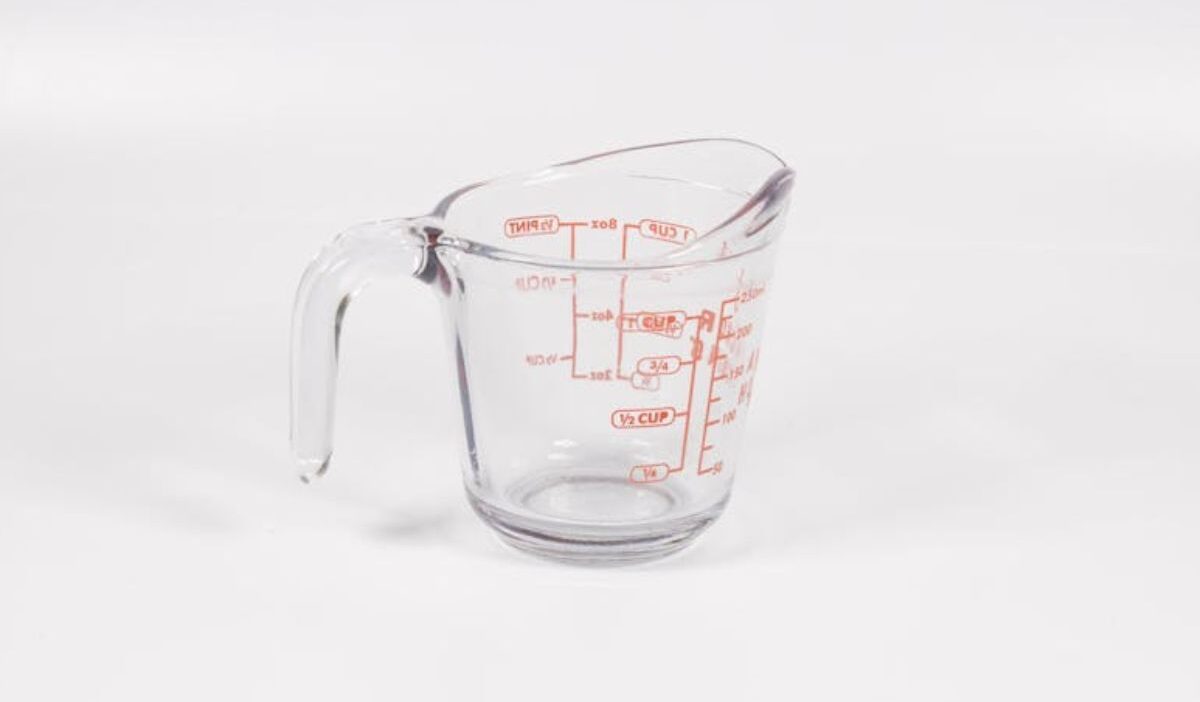
Measuring cups sold in the US are designed around this rule. When liquid reaches the one-cup line, it matches the 8-ounce volume mark. This is the base reference used in most home cooking instructions.
How Many Fluid Ounces in a Cup?
When recipes list liquid ingredients, the question often becomes how many fluid ounces in a cup rather than weight ounces. In US measurements, one cup holds 8 fluid ounces.
Fluid ounces describe space taken up by a liquid. Milk, oil, broth, and juice all reach the same fluid-ounce mark when poured into a cup, even though their weight may differ. This is why how many fluid ounces in a cup stays constant for liquids.
How Many Ounces in a Cup of Water?
Water is commonly used as a reference point for kitchen math. For water, how many ounces in a cup of water equals 8 ounces. Water aligns closely in volume and weight under standard kitchen conditions.
A cup filled with water reaches 8 fluid ounces and weighs about 8 ounces on a scale. This alignment makes water easier to remember when learning how many ounces in a cup of water.
>>> Read more: Batana Oil for Hair: Benefits, Safety & What to Expect
Why Flour and Sugar Don’t Match
- Different particle size inside the cup
Flour is made of very fine particles that trap air when scooped. Sugar crystals are larger and settle more tightly. When both fill a cup to the top, the amount of air inside is different, which changes the weight.
- Packing changes the final weight
Flour can be loosely scooped or pressed down without noticing. A lightly filled cup of flour weighs less than a packed one. Sugar settles more evenly and changes less during scooping.
- Moisture affects dry ingredients differently
Flour absorbs moisture from the air more easily than sugar. This can increase its weight without changing the cup level. Sugar resists moisture under normal kitchen conditions. Because of this, two cups measured the same way may still weigh differently.
- Recipes expect different measuring methods
Many recipes expect flour to be spooned into the cup and leveled, while sugar is often scooped directly. These methods of how many ounces in a cup exist because the ingredients behave differently. Ignoring this leads to measurement errors even when the same cup is used.
Common Cup Fractions Converted to Fluid Ounces
Breaking cups into fractions helps with recipe adjustments. The conversions of how many ounces in a cup below apply to liquid volume.
- 1/4 cup = 2 fluid ounces
- 1/3 cup = about 2.7 fluid ounces
- 1/2 cup = 4 fluid ounces
- 2/3 cup = about 5.3 fluid ounces
- 3/4 cup = 6 fluid ounces
For larger amounts:
- 1 cup = 8 fluid ounces
- 2 cups = 16 fluid ounces
- 4 cups = 32 fluid ounces (equal to one quart)
These values support quick checks when adjusting recipes and reinforce how many ounces in a cup for liquids.
Tip for kitchen math (no extra jargon)
- Use a scale when weight matters
When accuracy is needed, weighing flour and sugar avoids guesswork. This removes confusion around how many ounces in a cup for dry items.
- For liquids, stay with fluid ounces
Liquid measurements stay consistent because volume does not change based on settling. Converting cups to fluid ounces first helps keep calculations simple.
- When adjusting recipes, convert once
Change cups to ounces before doubling or halving. This reduces small mistakes that add up during cooking.
>>> Read more: How Many Oz in a Gallon? US vs UK, 7 Ways to Measure Rightly
FAQs
Is 1 cup always 8 ounces?
For liquids measured by volume, yes. For dry ingredients measured by weight, the answer changes. This distinction explains why how many ounces are in a cup depends on what is inside the cup.
What is a metric cup in mL and US fl oz?
A metric cup equals 250 milliliters, which converts to about 8.45 US fluid ounces. This difference matters when using recipes written outside the US.
Is a coffee cup 6 ounces?
Some coffee cups hold 6 ounces by design, yet this does not match standard measuring cups. A kitchen cup used for recipes still equals 8 fluid ounces.
Conclusion
The answer to how many ounces in a cup depends on how the ingredient is measured. In US kitchens, one cup equals 8 fluid ounces for liquids, including water. Dry ingredients follow different weight rules due to density and air content.