

If you’ve ever struggled to find the right foundation shade, clothing color, or hair color, you’ve probably asked yourself: What is my skin tone Understanding your skin tone and how it differs from your undertone can make everything from makeup to fashion choices much easier and more flattering.
This guide walks you through how to identify your skin tone step by step, using simple tests you can do at home.
What Does Skin Tone Mean?
Skin tone refers to the surface color of your skin, the shade you see when you look in the mirror. It’s influenced by genetics and sun exposure and is often described in broad categories like fair, medium, tan, or deep.
Skin tone can change slightly with tanning, sun damage, or aging, but your undertone stays mostly the same.
What Color Is My Skin Tone?
Your skin tone usually falls somewhere along a spectrum rather than into a single exact color. Most people fit into one of four general ranges: light, medium, tan/olive, or deep.
The goal isn’t to label yourself perfectly, but to understand which range you naturally sit in so you can choose products and colors that work with your skin instead of against it.
The Differences Between Skin Tone and Undertone
This is where many people get confused. Skin tone is the visible shade of your skin, while undertone is the subtle hue beneath the surface: cool, warm, or neutral.
Two people can have the same skin tone but completely different undertones. For example, both might be medium, but one leans golden while the other looks more pink or beige.
What Is My Skin Tone: Methods Of Identifying
The easiest way to identify your skin tone is to look at your bare skin in natural daylight. Avoid tinted lighting or makeup, as these can distort color.
Check Your Vein Color
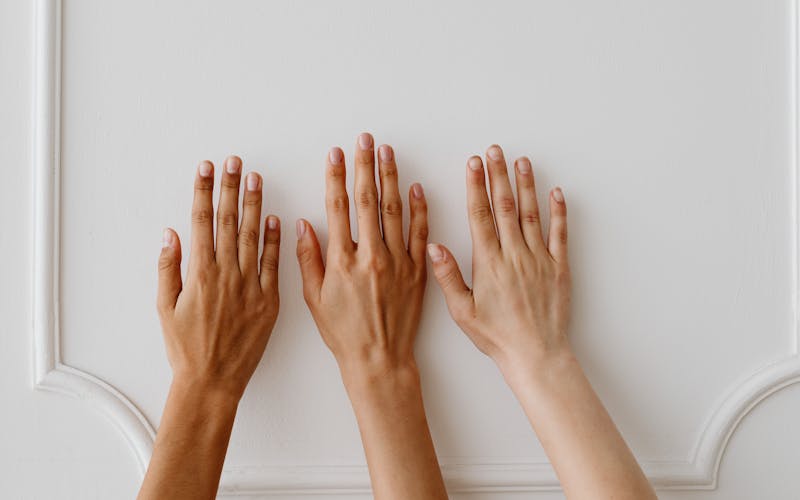
Look at the veins on your wrist. Bluish or purple veins often indicate a cooler tone, while greenish veins suggest a warmer appearance. A mix usually points to a neutral look.
Observe When Wearing Jewelry
Gold jewelry tends to flatter warmer skin tones, while silver often looks better on cooler ones. If both look equally good, you’re likely neutral.
Check Your Skin Reaction When Exposed To The Sun
Think about how your skin reacts to the sun. If you burn easily, your skin is likely on the fair or light side. If you tan easily or rarely burn, your tone is probably medium to deep.
Use The White Paper Method
Hold a piece of white paper next to your face. If your skin looks pink, red, or bluish in comparison, you likely lean cool. If it looks yellow, golden, or peachy, you’re probably warm. If neither stands out, you’re likely neutral.
>>>Read more: Batana Oil for Hair: Uses, Benefits, Safety & What to Expect
How Many Main Types of Skin Tones Are There?
Now that you get the gist of ”what is my skin tone” , you can take a further step to classify them into which type of skin tones to make a better choice for your appearance.
Fair or Light Skin Tone
Fair skin usually appears very light and may burn easily in the sun. It often appears red or pink and has little natural pigmentation.
Medium Skin Tone
Medium skin tones fall between light and tan. This range often tans gradually and rarely burns. It’s one of the most common skin tone categories.
Tan or Olive Skin Tone
Tan or olive skin has a slightly green or golden cast and tans easily. Olive tones can sometimes look neutral, but behave differently when it comes to makeup shades.
Deep or Dark Skin Tone
Deep skin tones are rich in melanin and range from deep brown to very dark. These tones rarely burn and tend to have strong, vibrant undertones.
How to Determine Your Skin Undertone
Once you found your answer to what is my skin tone, identifying your undertone helps fine-tune makeup and color choices.
| Types of undertones | What it means |
| Cool Undertones | Cool undertones often show hints of pink, red, or blue. These undertones pair well with cool colors like blue, purple, and jewel tones. |
| Warm Undertones | Warm undertones lean yellow, golden, or peach. Earth tones, gold jewelry, and warm shades complement these undertones best. |
| Neutral Undertones | Neutral undertones are a balance of warm and cool. If most colors look good on you, this is likely your undertone. |
Why Knowing Your Skin Tone Matters
Knowing what is my skin tone helps you avoid mismatched foundation, unflattering clothing colors, and hair shades that wash you out. It also saves time and money by narrowing down what actually works for you.
How Skin Tone Affects Makeup Choices
Foundation should match your skin tone, not your undertone alone. Undertone then helps you choose the right formula within that shade. Blush, bronzer, and lipstick also look more natural when they complement both your tone and undertone.
How Skin Tone Affects Hair Color and Clothing
Hair colors that contrast gently with your skin tone tend to look most natural. Clothing colors that echo your undertone enhance your complexion and make your skin appear brighter and more even.
Common Mistakes When Identifying Skin Tone
There are some mistakes that you need to be aware of even when you already know what is my skin tone.
One of the most common mistakes is testing makeup in the wrong lighting or on the wrong part of the body.
Store lighting often changes how a shade appears, and testing on your hand gives an inaccurate match because that skin is usually a different color than your face.
The best way to test foundation is along your jawline in natural light so you can see how it blends with your overall complexion.
A second major mistake is confusing temporary skin changes with your real undertone.
Redness, breakouts, or a recent tan can alter how your skin looks on the surface, but these changes do not affect your real undertone.
Your undertone stays the same, so identifying it correctly helps you choose makeup that consistently matches your skin.
>>>Read more: Disinfectant Spray Guide: 5 Steps to Uses & Contact Time
Frequently Asked Questions
Is it possible for my skin tone to change over time?
In most cases, just lightly. It depends on things like sun exposure, aging, and your skincare routine. But your undertone generally stays the same.
Are Olive Skin Tones Considered Warm or Cool?
Olive skin generally sits in the neutral range, but it can subtly lean warmer or cooler depending on the person.
What’s the Best Way to Figure Out Your Perfect Foundation Match?”
Try swiping a bit of foundation along your jawline while standing in natural light. The ideal shade will seamlessly blend into your skin without any effort.
Conclusion
Understanding your skin tone doesn’t require expert tools, just good lighting, patience, and a few simple tests.
Once you know both your skin tone and undertone, choosing makeup, clothing, and hair colors becomes far easier and far more flattering.