

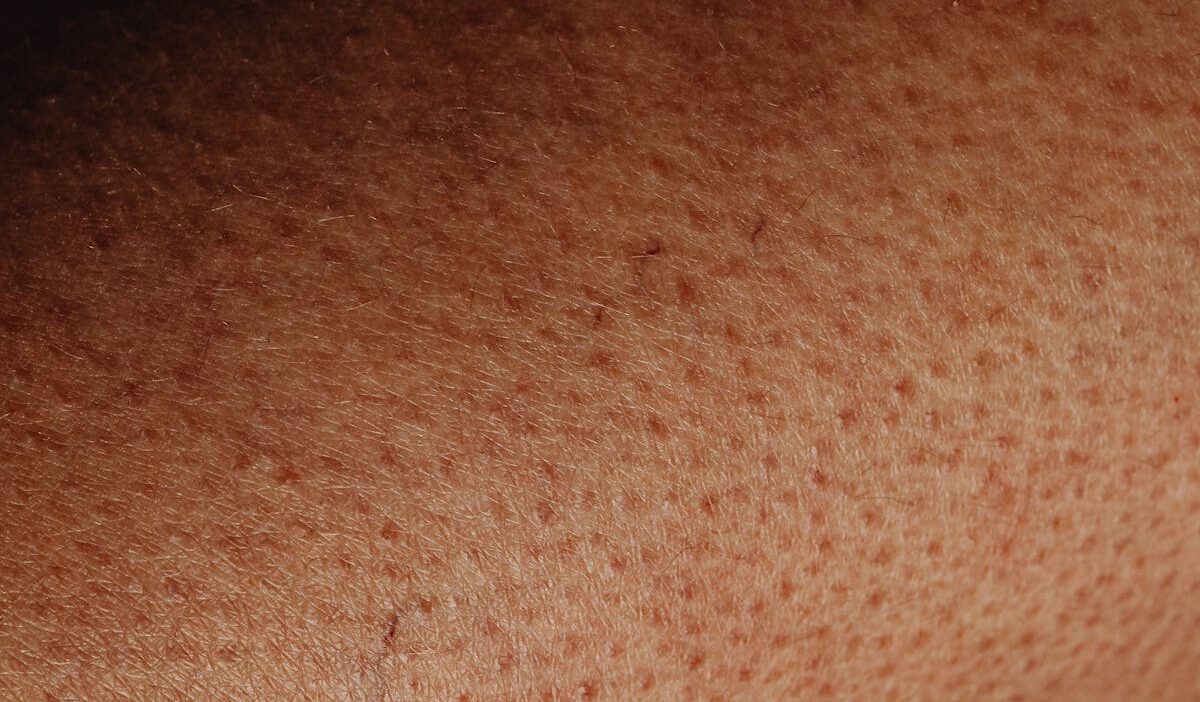
Textured skin is one of those issues that can make your face look uneven, dull, or “rough” even when you don’t have active acne. The good news is that skin texture can be improved significantly with the right routine, ingredients, and a bit of patience.
This guide breaks down what textured skin is, why it happens, and how to get rid of textured skin.
The Definition of Textured Skin
To answer the question of how to get rid of textured skin, you first need to understand what it is.
Textured skin refers to an uneven skin surface that may feel rough, bumpy, or look less smooth under light or makeup. It can show up as tiny bumps, enlarged pores, fine lines, or areas where makeup doesn’t sit well.
Texture isn’t a single condition; it’s a result of how your skin cells, oil, hydration, and collagen interact.
What Reasons Do Textured Skin Appear on the Face?
Textured skin usually develops due to a combination of factors rather than one single cause. Common contributors include slow skin cell turnover, clogged pores, dehydration, sun damage, and early collagen breakdown. Even people with “clear” skin can have texture due to genetics, aging, or improper skincare habits.
Environmental stress, over-exfoliation, and using products that don’t suit your skin type can also make texture more noticeable.
Methods of How To Get Rid of Textured Skin
For Textured Skin on Face
One thing you should know about how to get rid textured skin on face is that improving facial texture starts with consistent, gentle care, not aggressive treatments. The goal is to help skin shed dead cells properly, stay hydrated, and rebuild a smoother surface over time.
Using mild exfoliation, repairing the skin barrier, and protecting your skin from UV damage are far more effective than harsh scrubs or daily acids.
For Bumpy Textured Skin
Bumpy texture is often caused by clogged pores, closed comedones, or buildup of dead skin cells. So if you are searching for how to get rid of bumpy textured skin, you might be recommended to use chemical exfoliants like salicylic acid (for oily or acne-prone skin), or lactic acid (for sensitive skin). These exfoliants are considered to help clear pores without damaging the skin barrier.
Consistency matters more than strength. Overdoing exfoliation can make bumps worse by causing irritation and inflammation.
For Textured Skin on Forehead
Forehead texture is commonly linked to excess oil, hair products, sweat, or frequent touching. So the perfect answer to how to get rid of textured skin on forehead is to keep the area clean, avoid heavy styling products near the hairline, and use lightweight, non-comedogenic moisturizers. With this in mind, you can make a noticeable difference.
Gentle exfoliation a few times per week and daily sunscreen are especially important for this area.
Improving Skin Texture: Some Well-known Ingredients
Certain skincare ingredients are proven to help smooth texture by encouraging cell turnover, boosting hydration, and supporting collagen. Retinoids help refine skin over time, while chemical exfoliants remove surface buildup. Ingredients like niacinamide and ceramides strengthen the skin barrier, making texture less visible.
Hydrating ingredients such as hyaluronic acid also play a key role; dry skin almost always looks more textured.
Recommended Note for Your Skincare Routine
Here are some worthmentioning notes that you should take into consideration when learning how to get rid of textured skin.
Applying A Balance Of Gentle Exfoliation And Cleansing
Use a mild cleanser that doesn’t strip your skin. Exfoliate with chemical exfoliants 2–3 times per week instead of physical scrubs, which can worsen texture.
Introducing Treatment Products Slowly To The Routine
Introduce treatments like retinoids or exfoliating acids slowly. Applying too many actives at once often leads to irritation, which makes the texture more noticeable.
Keep Your Skin Moisturized and Protected
Well-hydrated skin reflects light better and looks smoother. Daily sunscreen is essential, as UV damage breaks down collagen and worsens uneven texture over time.
>>>Read more: How to Get Food Coloring Off Skin? Simple Ways 2026
Professional Treatments Can Be A Good Start
When at-home skincare isn’t enough, professional treatments can help with how to get rid of textured skin. Options like chemical peels, microneedling, laser resurfacing, or microdermabrasion work by stimulating skin renewal and collagen production.
Aware Of Mistakes That Can Worsen Your Skin Condition
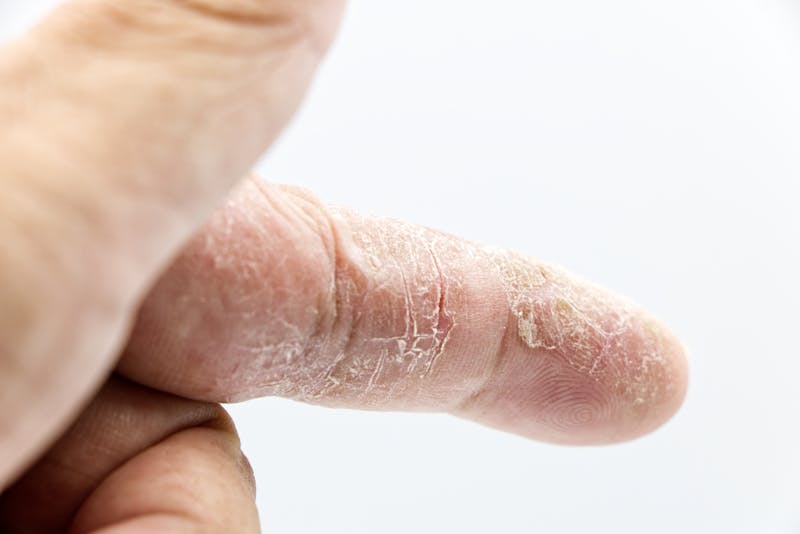
Many people worsen texture by exfoliating too often, skipping moisturizer, or ignoring sunscreen. Using too many active ingredients at once can disrupt the skin barrier, leading to inflammation and roughness instead of smooth skin.
Another common mistake is expecting overnight results—texture improvement is gradual.
How Long To See Changes In Textured Skin?
Most people begin to see improvement within 4–8 weeks with a consistent routine. Deeper texture issues, such as acne scarring or sun damage, can take several months or require professional treatments.
Skin renews itself roughly every 28–40 days, so patience is key.
>>>Read more: How Many Oz in a Gallon? US vs UK, Ways to Measure Rightly
How to Keep Textured Skin From Coming Back
Maintaining smooth skin is about long-term habits. Stick to gentle exfoliation, keep your skin hydrated, protect it from the sun daily, and avoid frequently switching products. Supporting your skin barrier is just as important as using active treatments.
Frequently Asked Questions
Is It Possible to Permanently Eliminate Textured Skin?
Texture can be greatly improved, but skin continues to age and respond to the environment. With proper care, you can keep texture minimal long-term.
What Works Best to Treat Textured Skin?
Products with retinoids, chemical exfoliants, barrier-repair ingredients, and sunscreen are the most effective when used consistently.
Why Does My Skin Still Look Textured Even Though I Don’t Have Acne?
Texture can come from dehydration, enlarged pores, sun damage, or slowed cell turnover, not just acne.
Conclusion
Textured skin is extremely common and very treatable. By understanding the cause, choosing the right ingredients, and following a consistent, gentle routine, you can significantly find the answer to how to get rid of textured skin and smooth your skin over time. Avoid harsh shortcuts, protect your skin daily, and give your skincare enough time to work.