
Food coloring is fun in the kitchen, but once it gets on your hands or face, it can be surprisingly stubborn. The good news is that food coloring stains are usually temporary and can be removed safely with common household items, no harsh scrubbing required.
This guide explains why food coloring stains skin so easily and how to get food coloring off skin.
Why Food Coloring Stains Skin So Easily
Food coloring is made of highly concentrated dyes designed to cling to surfaces. Skin absorbs these dyes easily because of its natural oils, tiny pores, and uneven texture.
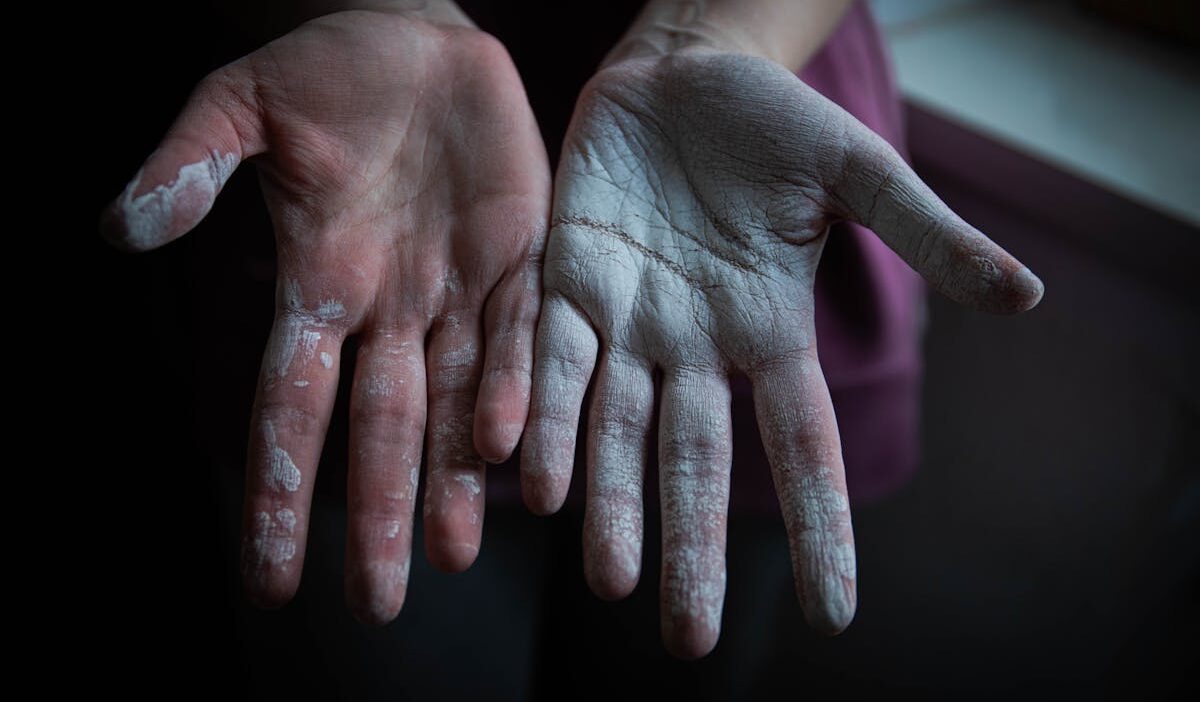
Dry skin, cuticles, and fine lines tend to hold onto color longer, which is why stains often linger around fingers and knuckles.
How to Get Food Coloring Off Skin Quickly
If you act fast, removal is much easier. Fresh stains usually come off with warm water and soap, especially if the dye hasn’t fully set.
The longer food coloring sits on skin, the more it binds to oils and dead skin cells, making removal slower, but still possible.
However, besides the emphasis on convenience and time-saving, it is also worth noting how to get food coloring off of skin safely.
While we will recommend some other friendly and easy-to-get remedies that are considered safe to use, you should always make sure to rub gently, avoid broken or irritated skin, and rinse thoroughly after each method.
Follow up with moisturizer to restore the skin barrier, especially if you use acidic or alcohol-based solutions.
>>>Read more: Disinfectant Spray Guide: 5 Steps to Uses & Contact Time
Best Home Remedies to Remove Food Coloring From Skin
These methods work best when used gently and patiently. Start with the mildest option and move up only if needed.
Soap and Warm Water Method
This is always the first thing to try. Warm water helps loosen the dye while soap breaks down oils that hold the color. Massage gently for 30–60 seconds and rinse. Repeating a few times often fades the stain significantly.
Baking Soda and Dish Soap
Mix a small amount of baking soda with dish soap to create a mild paste. Rub it gently onto the stained area using your fingers or a soft cloth, then rinse. This works well because baking soda provides light exfoliation without being too harsh.
Vinegar or Lemon Juice
Both vinegar and lemon juice help break down dye pigments. Apply a small amount with a cotton pad, gently wipe the area, and rinse thoroughly. This method is effective but can be drying, so moisturizer afterward is important.
Toothpaste Method
Non-gel, white toothpaste contains mild abrasives that help lift color from the skin. Massage gently in circular motions, rinse, and repeat if needed.
Rubbing Alcohol or Hand Sanitizer
Alcohol dissolves dye quickly, making this one of the fastest methods. Use a cotton pad and apply lightly. This should be a last resort, as it can dry or irritate skin.
Kids and Sensitive Skin: How to Gently Remove Food Coloring
Remove Food Coloring From Children’s Skin
For kids, stick to soap, warm water, and gentle methods only. Baking soda mixed with mild soap can be used sparingly, but avoid vinegar, alcohol, or strong scrubbing. In most cases, stains fade naturally within a day.
Get Food Coloring Off Sensitive Skin
If your skin is sensitive, avoid abrasive pastes and alcohol. Use warm water, fragrance-free cleanser, and possibly a soft washcloth. Applying oil (like olive or coconut oil) can help dissolve dye slowly without irritation.
>>>Read more: How Many Oz in a Gallon? US vs UK, Ways to Measure Rightly
Tips to Prevent Food Coloring From Staining Skin
Here are some tips to help you not worry about how to get food coloring off skin:
Create a protective barrier before starting: Apply a thin layer of lotion, petroleum jelly, or a lightweight oil to hands or any exposed skin. This forms a smooth surface that makes it harder for pigment to cling and much easier to wash off later.
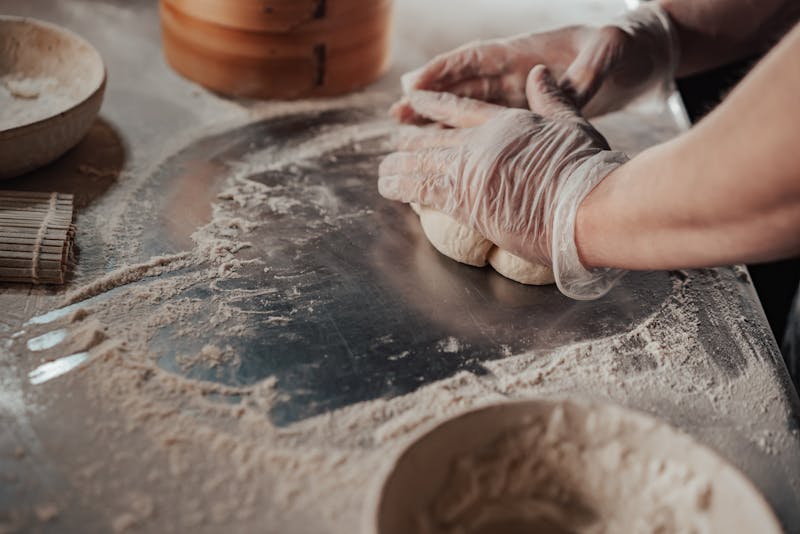
Use gloves whenever possible: Disposable gloves are the most effective way to prevent staining entirely. They’re especially helpful when mixing large batches of colored doughs, icing, slime, or crafts that require hands-on contact.
Use tools instead of fingers: Opt for spoons, spatulas, piping bags, or droppers to handle food coloring. Reducing direct contact keeps skin clean and saves time on cleanup.
Work on a protected surface: Place parchment paper, wax paper, or a silicone mat under your workspace. This prevents accidental smudges that can transfer to your hands unintentionally.
Clean spills immediately: If coloring gets on your skin, wipe it off right away with a damp cloth. The longer the dye sits, the deeper it absorbs and the harder it is to remove later.
Choose gel or paste colors for less mess: These formulas are thicker, easier to control, and less likely to splash compared to liquid food coloring, which reduces the chance of stains in the first place.
Common Questions About Removing Food Coloring
Does Food Coloring Naturally Fade From Skin?
Yes. Even the more persistent stains fade on their own as the skin naturally sheds its top layer of dead cells.
Can Makeup Remover Help Remove It?
Yes. An oil‑based makeup remover often works well because it breaks down the pigment gently, making it especially useful for the face and other delicate areas.
What Helps With Tougher Stains?
A gentle approach usually works best. Light exfoliation paired with a bit of soap or oil can lift deeper color without irritating the skin.
What Should You Avoid When Cleaning Food Coloring?
Skip anything harsh or abrasive. Strong scrubs, steel wool pads, acetone-based nail polish remover, and chemical cleaners can harm the skin’s protective barrier, cause irritation, and may even make the stain look more noticeable.
How Long Does Food Coloring Last on Skin?
Most stains fade within one to three days, even without special treatment. Regular washing and natural skin renewal gradually remove the remaining color. Very saturated shades like red or blue may linger a bit longer.
Conclusion
How to get food coloring off skin? Food coloring on skin can look alarming, but it’s temporary and harmless. With gentle cleaning, common household remedies, and a little patience, stains usually fade quickly. Avoid harsh methods, moisturize after cleaning, and let your skin do the rest.