
Is coleslaw healthy? The answer depends almost entirely on how it is made. The base ingredients, mainly cabbage and carrots, are genuinely nutritious. The dressing is where most coleslaw goes sideways nutritionally.
This guide breaks down the actual nutrition, explains when coleslaw works in a healthy diet, and covers the specific versions most people ask about.
1. Is Coleslaw Healthy For You?
Yes, coleslaw can be healthy. It depends on the dressing, portion size, and how frequently you eat it. The vegetable base is generally nutritious and provides fiber, vitamins, and antioxidants. The dressing is the variable that determines whether a serving helps or hurts your diet.
1.1 What Coleslaw Is Actually Made Of and Why It Matters Nutritionally
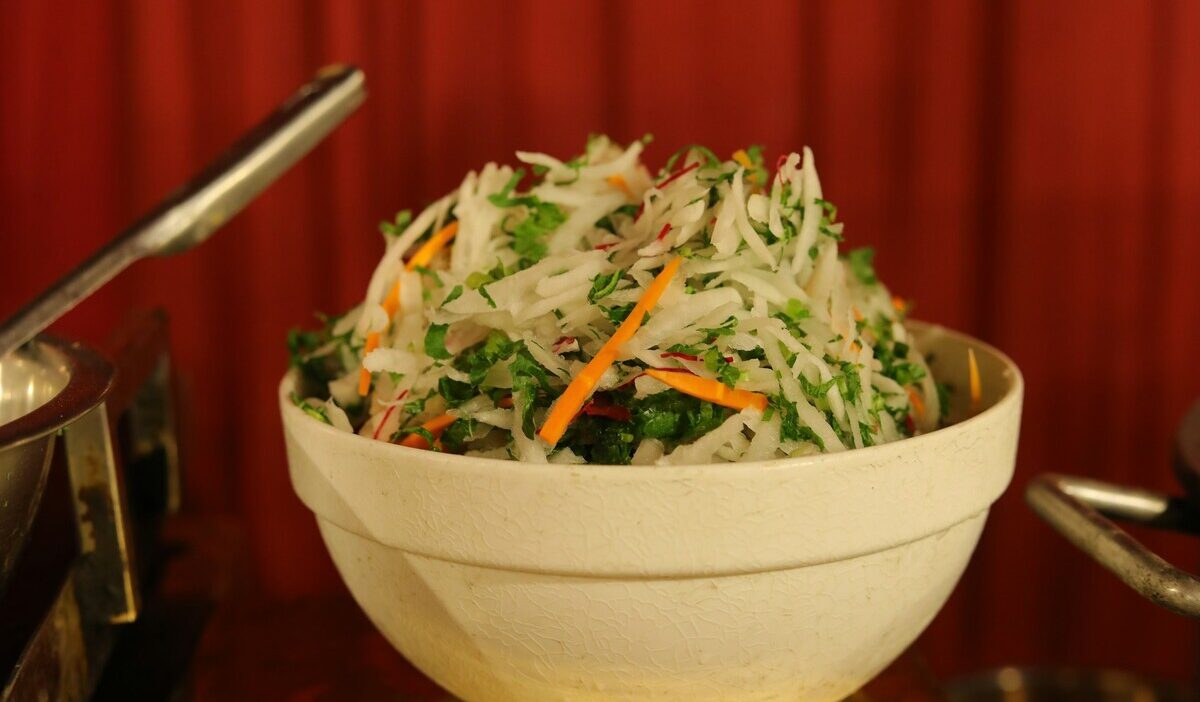
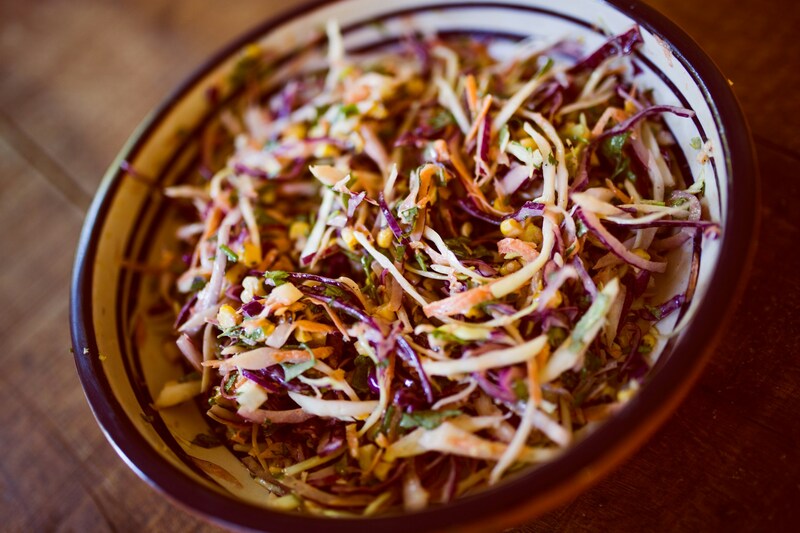
Traditional coleslaw starts with shredded cabbage, often green and red, plus carrots. These are low-calorie, high-fiber vegetables with genuine nutritional value.
The dressing has a major impact on the overall nutrition profile. Mayonnaise-based dressings add saturated fat, calories, and often significant sodium.
Depending on the recipe and portion size, restaurant coleslaw can be relatively high in calories, fat, sugar, and sodium because of the dressing.
Vinegar-based dressings use apple cider or white vinegar, a small amount of oil, and a sweetener.
They are usually lower in calories and saturated fat than mayo-based versions. The vegetable content remains the same. The nutritional outcome is very different.
1.2 Key Vitamins and Minerals You Get From Coleslaw
The cabbage and carrot base provides real nutritional benefits regardless of dressing:
- Vitamin C. Cabbage is a good source of vitamin C, which supports immune function and collagen production. Raw cabbage provides a meaningful amount of vitamin C relative to its low-calorie content.
- Vitamin K. Cabbage is one of the better dietary sources of vitamin K, which plays a role in blood clotting and bone metabolism.
- Folate. Green cabbage provides folate, important for cell division and particularly relevant during pregnancy.
- Fiber. Both cabbage and carrots contribute dietary fiber. Fiber supports digestive health, slows sugar absorption, and contributes to satiety.
- Beta-carotene. Carrots are rich in beta-carotene, which the body converts to vitamin A. Red cabbage also contains antioxidant compounds, including anthocyanins.
According to the USDA FoodData Central, one cup of raw shredded cabbage contains approximately 22 calories, 2 grams of fiber, and meaningful amounts of vitamins C and K with almost no fat.
1.3 When Coleslaw Is Healthy and When It Is Not
Coleslaw is healthy when the dressing is light, the portion is moderate, and it replaces a less nutritious side dish. A vinegar-based coleslaw served alongside grilled protein is a genuinely good dietary choice.
Coleslaw is not healthy when it is a mayo-heavy restaurant version eaten in large portions alongside fried food. In that context, the added calories, sugar, fat, and sodium can significantly reduce the overall nutritional value of the dish.
2. Can Coleslaw Be Healthier Based on How It Is Made?
The preparation method is the most important variable in coleslaw nutrition. Two servings with identical vegetable bases can differ by 200 calories and 20 grams of fat depending on the dressing.
2.1 Homemade Coleslaw vs Store-Bought: The Big Nutritional Difference
Homemade coleslaw gives you complete control over ingredients. You choose the dressing type, the amount of sweetener, the salt level, and the oil quantity.
Many store-bought coleslaw products use mayonnaise-based dressings and may contain added sugar, sodium, or preservatives. A typical store-bought serving of 100 grams contains around 150 to 200 calories with 12 to 18 grams of fat.
2.2 Mayonnaise-Based vs Vinegar-Based Dressing: Which Is Healthier
Vinegar-based dressing is healthier for most dietary goals. It is generally lower in calories and saturated fat, and adds acidity that enhances flavor without the caloric cost of mayo.
Mayonnaise-based dressing is not inherently bad, but portion control matters more. Full-fat mayonnaise is calorie-dense and typically contains around 90 calories per tablespoon. Depending on the recipe, dressing portions can add a substantial amount of calories and fat to each serving.
2.3 How to Make Coleslaw Healthier Without Sacrificing Taste
- Use Greek yogurt in place of some or all of the mayo. The texture stays creamy. The calories drop significantly.
- Use apple cider vinegar as the dressing base. Add a teaspoon of honey or maple syrup for balance. The result is tangy, light, and genuinely good.
- Reduce added sugar. Many store-bought and recipe versions add two to four tablespoons of sugar. Cutting it in half or using a natural alternative maintains sweetness with fewer empty calories.
- Add more vegetables. Shredded red cabbage, thinly sliced celery, green onions, and fresh herbs add nutrition and flavor without adding calories.
- Control portion size. A half-cup serving is nutritionally different from a full cup, especially with mayo-based dressing.
>>> Read more: How to Get Food Coloring Off Skin? Simple Ways 2026
3. Is KFC Coleslaw Healthy?
KFC coleslaw is not a healthy choice for most dietary goals. A standard serving is relatively high in sugar and calories compared to lighter homemade versions, mainly because of the sweetened mayo-based dressing.
The sugar content is particularly notable. KFC coleslaw is significantly sweeter than most homemade versions. The sweetness comes from added sugar in the dressing, not from the vegetables.
As an occasional side dish, an occasional small serving can fit into a balanced diet for many people. As a regular dietary choice alongside other fried foods, the combined sugar, fat, and sodium load adds up quickly.
4. Can Coleslaw Fit Into a Weight Loss Diet?
Another thing that people search for is that is coleslaw healthy for weight loss. It still depends heavily on how it is served.
Vinegar-based coleslaw can support weight loss. It is low in calories, high in fiber, and filling relative to its calorie content.
A cup of vinegar coleslaw can satisfy a craving for something crunchy and flavorful without high caloric cost.
Mayo-based coleslaw is harder to fit into a calorie-controlled diet. The fat and calorie content is high relative to portion size.
It can still be included in a weight loss diet, but the portion needs to be small and accounted for.
5. How Healthy Is Coleslaw Compared to Other Side Dishes?
Compared to common side dishes, vinegar coleslaw ranks favorably:
- Versus French fries: a standard serving of fries contains 300 to 400 calories and 15 to 20 grams of fat. Vinegar coleslaw contains 50 to 80 calories. The calorie difference is substantial.
- Versus potato salad: most potato salad is mayo-based and contains starchy potatoes. A typical serving runs 200 to 350 calories. Mayo coleslaw is comparable; vinegar coleslaw is significantly lower.
- Versus a green salad: a simple green salad with light dressing is similarly low in calories. Coleslaw has more fiber per serving from the dense cabbage. Both are good choices.
- Versus macaroni salad: most macaroni salad contains refined pasta and heavy dressing. A serving runs 300 to 400 calories. Coleslaw is a healthier choice in almost every version.
>>> Read more: Batana Oil for Hair: Uses, Benefits, Safety & What to Expect
6. FAQs
Can You Eat Coleslaw Every Day and Still Be Healthy?
Yes, if it is vinegar-based or lightly dressed. Cabbage and carrots are nutritious vegetables that can generally be included regularly in a balanced diet. The issue with daily coleslaw is the dressing.
Daily mayo-based coleslaw adds consistent saturated fat and sodium intake that accumulates over time. Vinegar-based coleslaw eaten daily is genuinely a healthy habit for most people.
Is Coleslaw Healthy for People With High Cholesterol?
The vegetable base supports cholesterol health. Cabbage contains fiber and plant compounds associated with heart-healthy eating patterns.
However, mayo-based coleslaw adds saturated fat, which can raise LDL cholesterol. For people managing high cholesterol, vinegar-based coleslaw is the better choice. Greek yogurt-based dressings are also suitable.
Is Coleslaw Healthy for Diabetics?
Plain cabbage and carrot coleslaw with a vinegar dressing is a good choice for people with diabetes.
The fiber slows glucose absorption. Non-starchy vegetables like cabbage and carrots generally have a relatively low glycemic impact. The concern is added sugar in the dressing.
What Is the Healthiest Type of Coleslaw You Can Eat?
The healthiest coleslaw is homemade with a base of shredded green and red cabbage plus carrots, dressed with apple cider vinegar, a small amount of olive oil, and a light sweetener like honey. This version is low in calories, relatively low in saturated fat, high in fiber, and rich in vitamins C and K.
7. Conclusion
Is coleslaw healthy? Yes, with the right preparation. The vegetable base is always nutritious. The dressing determines the overall nutritional picture.
Vinegar-based coleslaw is a genuinely healthy side dish for most people, including those managing weight, blood sugar, or cholesterol. Mayo-based versions are higher in fat and calories but can still fit a balanced diet in moderate portions.
The simplest way to make coleslaw healthier is to make it at home, use a vinegar-based dressing, and keep the sweetener minimal. The same vegetables. A very different nutritional outcome.