

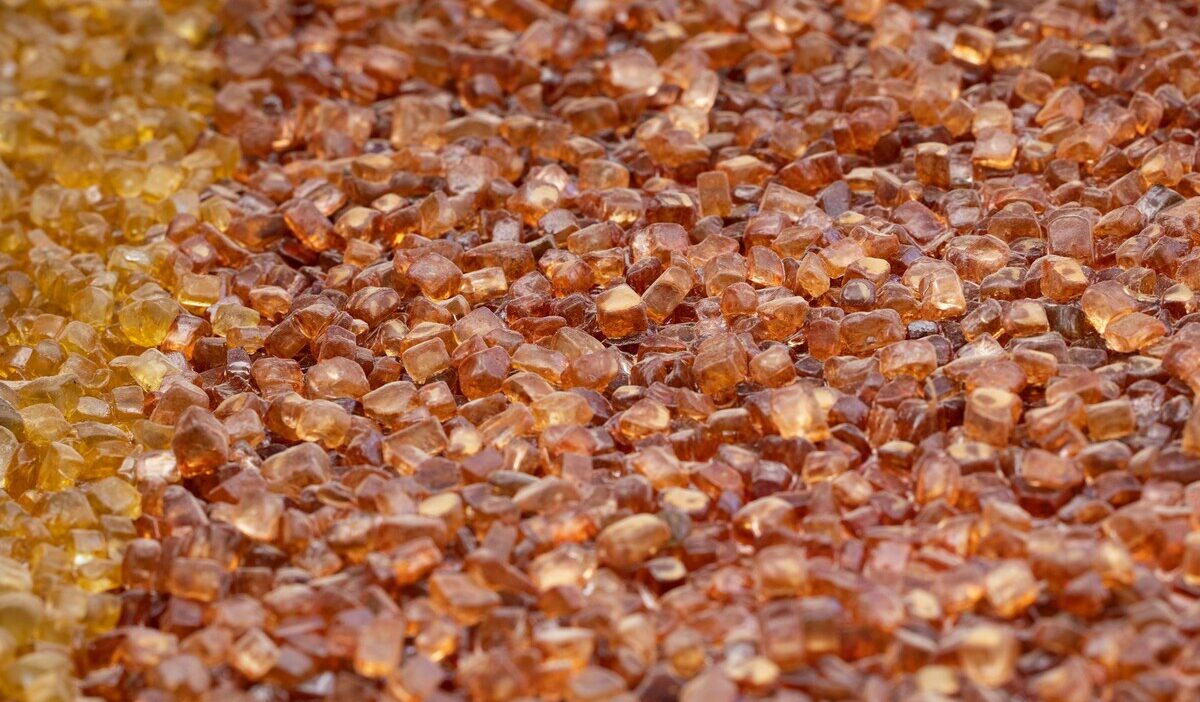
Is brown sugar healthy? The short answer is is that brown sugar is not significantly healthier than white sugar from a nutritional standpoint.
Brown sugar is still sugar. It has nearly identical calories, the same effect on blood glucose, and only trace amounts of anything beneficial. The molasses coating gives it a richer flavor and a darker color, but it does not substantially change the nutritional profile.
That said, understanding exactly how brown sugar compares to white sugar, and how much molasses actually matters, helps you make better-informed choices about sweeteners.
What Brown Sugar Actually Is and What It Contains
Most people assume brown sugar is less processed than white sugar. This is not always accurate, especially for commercial brown sugar products.
How Brown Sugar Is Made and Why It Looks Different From White Sugar
Commercial brown sugar is made one of two ways. In the most common method, refined white sugar is combined with molasses after processing. The molasses is reintroduced to create the color and flavor. This is the same base product as white sugar, just with added molasses.
A smaller portion of brown sugar is partially refined, meaning some molasses is naturally retained during the refining process. This version is more common in artisan or less-processed sugar products.
The difference in appearance comes entirely from the molasses content. Light brown sugar contains about 3.5% molasses. Dark brown sugar contains about 6.5%. The molasses content slightly changes the mineral content and flavor, but not enough to create a major nutritional difference.
Nutrition Facts: Calories, Minerals, and What You Actually Get Per Serving
One teaspoon of brown sugar contains approximately 17 calories and 4.5 grams of sugar. White sugar contains about 16 calories and 4.2 grams of sugar per teaspoon. The difference is negligible.
Brown sugar does contain small amounts of calcium, potassium, iron, and magnesium from the molasses. However, the amounts are very small and unlikely to meaningfully impact overall nutrition at normal serving sizes. A teaspoon of brown sugar provides less than 1% of the daily recommended intake for any of these minerals.
According to USDA FoodData Central, the mineral differences between brown and white sugar are too small to have any practical health benefit at typical serving sizes.
>>> Read more: Is Pesto Healthy? Is It Really as Nutritious as You Think?
The Real Health Concerns With Eating Brown Sugar Regularly
Brown sugar carries the same health concerns as any added sugar. Regular high consumption is associated with increased risk of type 2 diabetes, weight gain, tooth decay, and elevated triglycerides.
The American Heart Association recommends no more than 6 teaspoons of added sugar per day for women and 9 teaspoons for men. Brown sugar generally counts toward added sugar intake limits in much the same way as white sugar.
The concern is not occasional use. Small amounts of brown sugar can fit into a balanced diet for many people. The problem is habitual high intake across multiple food sources simultaneously.
Is Brown Sugar Healthier Than White Sugar?
Marginally and not in any way that matters practically. Both are sucrose with near-identical caloric content and the same glycemic impact.
How the Two Compare Nutritionally Side by Side
Per teaspoon, brown sugar has 17 calories versus white sugar’s 16. The glycemic index of both is in the 60 to 65 range. Both affect blood glucose in a very similar way. The fiber content of both is zero.
The only difference is the molasses content in brown sugar. At 3.5 to 6.5%, this adds trace minerals and gives a richer flavor. It does not change how your body metabolizes the sugar.
Does the Molasses Make a Meaningful Difference for Your Health?
No, at the amounts present in brown sugar. Molasses itself does contain iron, calcium, and magnesium in useful quantities. But the proportion in brown sugar is too low to contribute meaningfully to your daily intake.
If you want the nutritional benefits of molasses, using blackstrap molasses directly provides significantly more minerals per serving than brown sugar does. Blackstrap molasses is the most mineral-dense form and contains about 20% of the daily iron requirement per tablespoon.
Is brown sugar healthy than white sugar? Current nutrition evidence does not show a meaningful health advantage of brown sugar over white sugar. Choose it for flavor, not for nutrition.
Light vs Dark Brown Sugar: Is One a Better Choice?
Is light brown sugar healthy compared to dark brown sugar? Neither is considered a particularly nutrient-dense sweetener, but dark brown sugar does contain more molasses and therefore slightly more trace minerals.
The practical difference is flavor intensity. Dark brown sugar has a stronger molasses taste. Light brown sugar is milder. From a nutritional standpoint, the difference is so small it has no meaningful impact on health outcomes.
Choose based on flavor preference for your recipe, not for health reasons.

Is Maple and Brown Sugar Oatmeal Healthy?
Is maple brown sugar oatmeal healthy? Oats themselves are nutrient-rich and provide fiber, vitamins, and minerals. They are high in fiber, particularly beta-glucan, which supports cholesterol levels and digestive health. Rolled or steel-cut oats are a strong breakfast base.
The problem is the flavoring. Instant maple and brown sugar oatmeal packets typically contain 12 to 14 grams of added sugar per serving. That is roughly three teaspoons of sugar before you add anything else to your meal.
A plain oatmeal packet has zero added sugar. The nutritional value of oats is the same in both. The difference is the added sugar content, which mainly adds sweetness and calories without substantially improving the nutritional value.
The healthiest approach is to cook plain rolled or steel-cut oats and add a small drizzle of real maple syrup yourself. This gives you control over the sugar quantity, typically reducing it by 50 to 70% compared to flavored packets, while preserving the flavor you want.
>>> Read more: Is Coleslaw Healthy? Nutrition Facts, Benefits, and the Truth
FAQs
Is Brown Sugar a Safe Choice for Diabetics?
Unfortunately, brown sugar isn’t a safer alternative to white sugar, both affect blood glucose in the same way and share the same glycemic index and carbohydrate content. Small amounts of either can fit into a diabetic diet when accounted for in your total carbohydrate intake, but neither is ideal.
If you’re looking for lower-impact options, sweeteners like stevia, erythritol, or monk fruit are worth considering, as they have minimal effect on blood sugar levels.
Can Brown Sugar Fit Into a Weight Loss Diet?
Yes, it can! A teaspoon of brown sugar is only about 17 calories, which is easy to manage in a calorie-controlled diet. The thing to watch out for is using it across multiple foods throughout the day; those small amounts can add up quickly without you realizing it.
For the best results, focusing on reducing your overall added sugar intake tends to make a bigger difference than simply swapping one sugar type for another.
What Is the Best Substitute for Brown Sugar in Baking?
The closest substitute is white sugar mixed with molasses. Simply combine 1 cup of white sugar with 1 tablespoon of molasses for light brown sugar, or 2 tablespoons of molasses for dark brown sugar.
If you’d prefer a ready-made alternative, coconut sugar is a great option with a similar moisture content and caramel flavor, while date sugar is a less refined choice. Keep in mind that coconut sugar may have a slightly lower glycemic index, but it’s still considered an added sugar.
Is Organic Brown Sugar Any Healthier Than Regular?
Nutritionally speaking, organic and regular brown sugar are virtually identical. Same calories, same sugar concentration, and the same glycemic impact. Where organic does stand out is in how it’s produced, using no synthetic pesticides and non-GMO sugarcane, which many people appreciate for environmental and ethical reasons.
So if sustainable sourcing matters to you, organic is a perfectly reasonable choice, just don’t expect a nutritional difference!
Conclusion
Is brown sugar healthy? No more so than white sugar. The molasses content adds trace minerals and a richer flavor, but the difference is nutritionally insignificant at typical serving sizes.
Brown sugar is still added sugar. It has a very similar effect on calorie intake and blood sugar management as white sugar. Using it occasionally in small amounts is fine for most people. Treating it as a healthier alternative to white sugar is not supported by the evidence.
If you want to reduce added sugar, use less of any sugar rather than switching types. If you want minerals from molasses, use blackstrap molasses directly. And if you enjoy oatmeal, cook it plain and sweeten it yourself.