

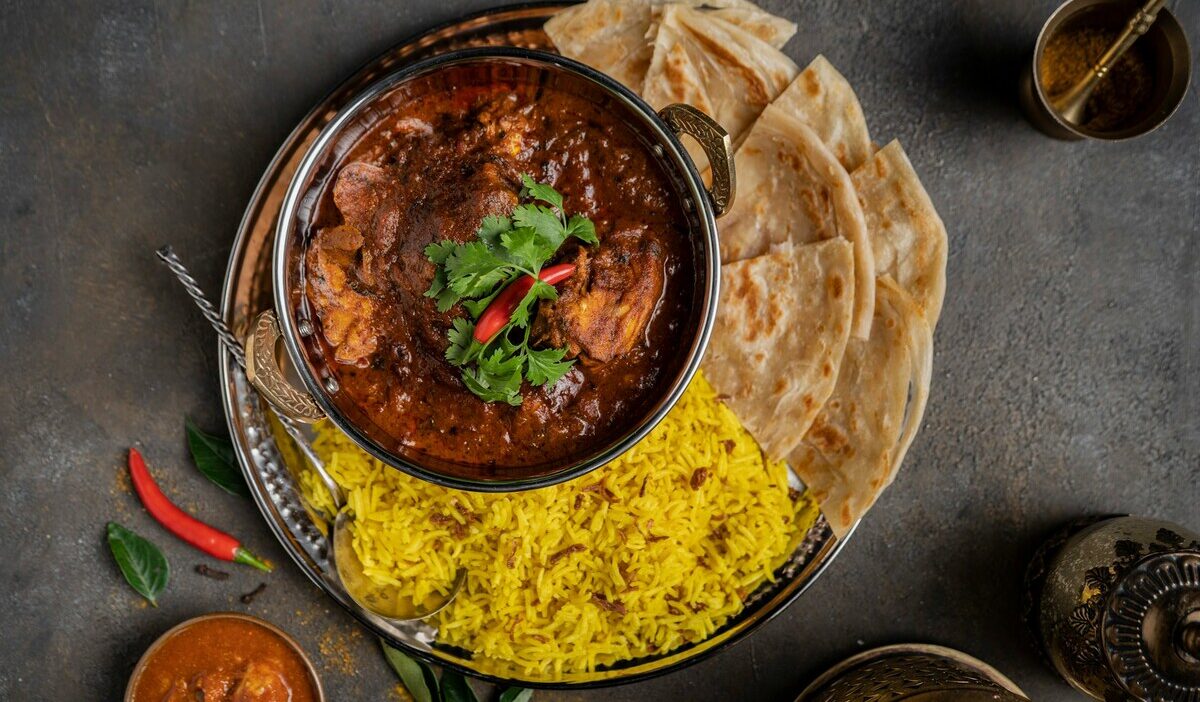
Is Indian food healthy? Yes, much of it is. Indian cuisine is built around legumes, vegetables, whole spices, and fermented foods that provide fiber, vitamins, minerals, and beneficial nutrients. But Indian food is not one thing.
A lentil dal and a deep-fried samosa are both Indian foods. The answer depends entirely on which dish you are eating and how it was prepared.
1. Is Indian Food Healthy For You? What You Need to Know First
Traditional Indian cooking is largely healthy.
The cuisine relies heavily on pulses and legumes, which are high in protein and fiber.
- Vegetables play an important role in many traditional Indian meals.
- Whole grains like brown rice and roti made from whole wheat are common.
- Fermented foods like yogurt, idlis, and dosas may contribute beneficial bacteria and support digestive health.
The challenge is context. Restaurant Indian food in Western countries is often adapted for richer flavor through higher fat content.
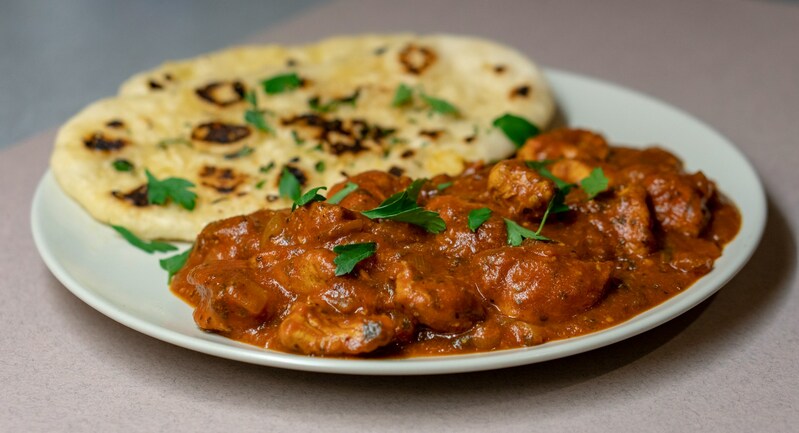
Takeaway butter chicken may contain three to four tablespoons of cream and two tablespoons of butter per serving.
The same dish made at home with yogurt and reduced fat can often reduce the overall calorie and saturated fat content while keeping a similar flavor profile.
Cooking method matters as much as ingredient choice. Tandoor-cooked dishes, steamed preparations, and broth-based curries are nutritionally different from deep-fried or cream-heavy alternatives.
>>> Read more: Is Brown Sugar Healthy? The Truth About This Popular Sweetener
2. Healthiest and Least Healthy Indian Dishes Ranked
2.1 Best Indian Dishes to Eat Regularly: Dal, Tandoori, Chana Masala
These dishes are nutritionally strong and can be eaten regularly as part of a healthy diet:
- Dal (lentil soup). One of the most nutritious dishes in any cuisine. High in plant protein, fiber, iron, and folate. Low in fat when prepared simply. Dal is naturally rich in plant protein and fiber, especially when made from lentils or split peas.
- Chana masala. Chickpeas are a nutrient-dense legume with high fiber and protein content. The tomato and spice base adds antioxidants. Typically low in saturated fat when cooked without cream.
- Tandoori chicken. Marinated in yogurt and spices, then cooked at high heat in a tandoor oven. High protein, low fat. The cooking method eliminates added oil. Tandoori cooking is generally lower in added fat than many fried or cream-based chicken preparations.
- Palak paneer (moderate). Spinach is rich in iron, folate, and vitamins A and K. Paneer adds calcium and protein. The dish is calorie-moderate when made without excess ghee.
- Raita. A yogurt-based condiment with cucumber and herbs. Low-calorie, probiotic, and cooling. A useful addition to any Indian meal.
- Idli and sambar. Steamed rice and lentil cakes served with lentil soup. Fermented, low-fat, and filling. A common South Indian breakfast that can fit well into a balanced diet.
2.2 Indian Dishes to Watch Out For: Butter Chicken, Samosas, and Creamy Curries
These dishes are worth eating less frequently or in smaller portions:
- Butter chicken (murgh makhani). A restaurant staple that can contain 400 to 600 calories per serving due to cream, butter, and cashew paste. The base dish is not inherently unhealthy, but restaurant versions are often very high in saturated fat.
- Biryani. Made with white rice, ghee, and sometimes fried onions. A large restaurant portion can exceed 700 calories. The rice-to-vegetable ratio is often unfavorable nutritionally.
- Samosas. Deep-fried pastry filled with potato and peas. A single samosa contains 150 to 200 calories and significant saturated fat from the frying oil. Delicious but relatively calorie-dense compared to less fried Indian dishes.
- Naan. A refined flour flatbread made with butter or ghee and often more. A single restaurant naan can contain 300 to 400 calories. Whole wheat roti or chapati is often a more fiber-rich option than refined-flour naan.
- Malai kofta and shahi paneer. Cream-based curries with high saturated fat content. Restaurant versions often contain 500 to 700 calories per serving.
2.3 How Cooking Method Changes Whether a Dish Is Healthy or Not
How healthy is Indian food depends less on the ingredients and more on the cooking technique. The same vegetable dish prepared two different ways can differ by 200 calories and 15 grams of fat.
Tandoor cooking, steaming, and simmering in tomato and water-based sauces produce lean, nutritious dishes. Deep frying and cream or ghee-heavy sauces add substantial calories and saturated fat, which can shift the meal away from a lighter nutritional profile.
At restaurants, asking for dishes cooked with less oil, requesting sauces on the side, and choosing tandoori or grilled preparations over creamy ones help reduce the overall calorie and fat content of an Indian restaurant meal.
>>> Read more: Is Pesto Healthy? Is It Really as Nutritious as You Think?
3. Is Indian Food Healthy for Weight Loss?
Yes, when you choose the right dishes. Dal, tandoori proteins, chana masala, and vegetable-forward curries are filling, high in fiber and protein, and relatively low in calories. These dishes are often filling relative to their calorie content because of their fiber and protein.
The fiber content of legume-based Indian dishes is particularly beneficial for weight management. Fiber may help slow digestion and help people feel satisfied for longer after eating. People who eat high-fiber diets are often associated with better long-term weight management in nutrition research.
The challenge with restaurant Indian food for weight loss is the refined carbohydrate and fat load from naan, biryani, and cream-based curries. Swapping naan for roti, rice for dal, and creamy curries for broth-based ones significantly reduces caloric intake while keeping the flavors you enjoy.
Research published in The Journal of Nutrition consistently supports the role of legume-rich diets in weight management and metabolic health, which aligns well with traditional Indian dietary patterns.
4. FAQs
Is Indian Food Healthy for Diabetics?
Much of it is. Dal, chana masala, and vegetable-based curries are high in fiber and low on the glycemic index. These choices support stable blood sugar. The problem foods for diabetics are white rice, naan, and refined flour breads (puri, paratha made with maida), which spike blood glucose quickly. Substituting brown rice, whole wheat roti, or cauliflower rice, and choosing legume-heavy dishes over rice-heavy ones can make many Indian dishes easier to fit into blood sugar-conscious eating patterns.
Is Indian Vegetarian Food Healthier Than Non-Vegetarian?
Indian vegetarian food, particularly legume and vegetable-based dishes, is among the most nutritious food available. Dal, rajma, chole, and vegetable curries provide fiber, plant protein, and a wide range of nutrients. Non-vegetarian Indian dishes like tandoori chicken and fish curry are also healthy when cooked without heavy cream or butter. The distinction that matters more than vegetarian versus non-vegetarian is whether the dish is cooked simply or enriched with cream, ghee, and fried components.
How Many Calories Are in a Typical Indian Meal?
A typical Indian restaurant meal with a main dish, rice or naan, and a side can range from 600 to 1,200 calories depending on choices. A healthy home-cooked Indian meal of dal, one roti, and a vegetable side runs around 400 to 500 calories. Restaurant butter chicken with naan can exceed 900 calories on its own. Calorie range is wide because Indian cuisine spans from very lean preparations to very rich ones, and portion sizes at restaurants tend to be large.
Is Indian Food Healthy for Heart Patients?
Traditional Indian food with an emphasis on legumes, vegetables, whole grains, and spices can fit well into heart-conscious eating patterns. Turmeric contains curcumin, which has anti-inflammatory properties relevant to cardiovascular health. Garlic and ginger have been studied for their potential cardiovascular and anti-inflammatory effects. The concern for heart patients is the saturated fat in ghee, cream, and coconut oil used in many restaurant dishes. For heart health, the focus should be on dal-based dishes, tandoori preparations, and spice-forward vegetable curries rather than creamy or fried options.
5. Conclusion
Is Indian food healthy? The traditional version, yes. Indian cuisine offers some of the most nutritious dishes in the world, built on legumes, vegetables, fermented foods, and spices that contain antioxidant and bioactive compounds.
The gap between healthy and unhealthy Indian food is in preparation. Dal and tandoori chicken are different from biryani and samosas. Home cooking is different from restaurant portions heavy with cream and ghee.
Choose legume-based dishes, tandoori or grilled proteins, whole wheat breads over naan, and broth-based curries over cream-based ones. That approach can make many Indian dishes a balanced and nutrient-rich part of a regular diet.