

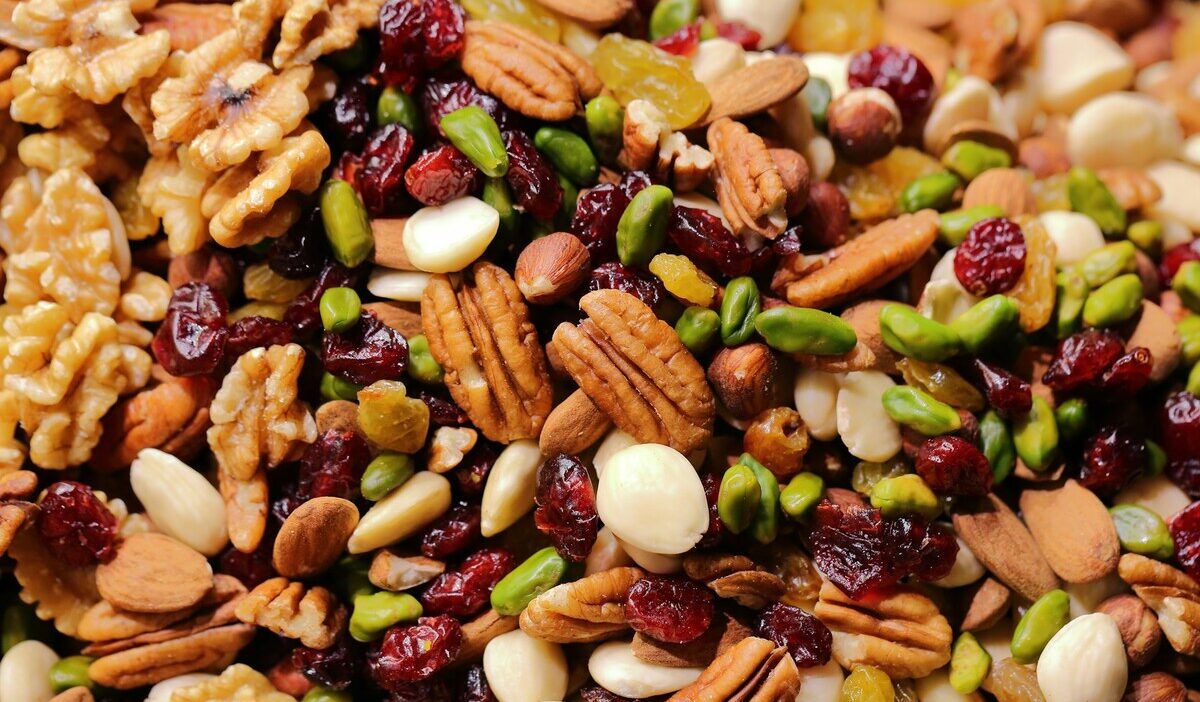
Is trail mix healthy? Most people assume yes, and then stop asking questions.
That assumption is mostly harmless, but it’s also how a snack that started as hiker fuel quietly became one of the easier ways to overeat without noticing. What’s in the bag matters more than the category it belongs to.
Here’s what the nutrition actually looks like, and which versions are worth reaching for.
1. Is Trail Mix Healthy? What Makes It Nutritious and What Does Not
Before writing off the health claims entirely, or getting straight to the answer for is trail mix healthy for you, it helps to look at what a well-made trail mix actually contains and where the nutritional value genuinely comes from.
1.1 Key Nutrients in Trail Mix: Protein, Healthy Fats, Fiber, and Antioxidants
At its core, trail mix built from nuts, seeds, and plain dried fruit is genuinely nutrient-dense. A one-ounce (28g) serving of a simple mix provides roughly:
- Calories: 130 to 170
- Protein: 4 to 6 grams
- Fat: 8 to 12 grams (mostly monounsaturated and polyunsaturated)
- Fiber: 2 to 3 grams
- Sugar: 5 to 10 grams (mostly from dried fruit)
Almonds, cashews, and walnuts deliver heart-healthy unsaturated fats, magnesium, and vitamin E. Pumpkin and sunflower seeds add zinc and selenium. Dried cranberries and raisins contribute antioxidants alongside their natural sugar.
Together, these ingredients create a snack profile that most packaged alternatives genuinely can’t match for nutrient density per ounce.
1.2 When Trail Mix Becomes Unhealthy: Added Sugar, Candy, and Sodium
That strong foundation, however, is exactly what commercial manufacturers build on and then quietly undermine. The most common additions that shift is trail mix a healthy snack to problematic:
- Chocolate candies (M&Ms or similar) add 10 to 20 grams of added sugar per serving.
- Yogurt-covered raisins contain more sugar per piece than plain raisins and add saturated fat from the coating.
- Sweetened dried cranberries, pineapple, or mango add 15 to 25 grams of sugar per ounce compared to 6 to 8 grams in plain raisins.
- Heavily salted nuts can add 200 to 400 milligrams of sodium per serving to an otherwise sodium-free food.
- Honey-roasted nuts add 3 to 6 grams of added sugar per serving from the coating.
None of these ingredients is harmful in isolation. The issue is that they appear together, and most people eat two to three servings at a sitting. That gap between what’s on the label and what’s actually consumed makes ingredient selection the more important variable.
1.3 Homemade vs Store-Bought Trail Mix: Which Is the Better Choice
Homemade trail mix is consistently the better nutritional choice because you control every ingredient.
A simple base of raw almonds, walnuts, cashews, pumpkin seeds, and plain raisins costs less per serving than most commercial mixes and contains no added sugar beyond what is naturally in the dried fruit.
Store-bought trail mix worth choosing has a short ingredient list, no candy or yogurt chips, unsalted or lightly salted nuts, and less than 8 grams of sugar per ounce. Read the ingredient list and check the added sugar line on the nutrition label specifically.
>>> Read more: Is Honey Bunches of Oats Healthy? What the Nutrition Facts Show
2. How Trail Mix Fits Into Snacking and Weight Loss Goals
Ingredient quality sets the ceiling for how nutritious trail mix can be. But how much you eat and when determines whether that nutrition actually works in your favor.
2.1 Why Trail Mix Can Work as a Convenient and Filling Snack
One reason trail mix earns its snack reputation is that it actually delivers on satiety. The combination of protein, fat, and fiber in nuts and seeds creates a fullness effect that holds through the afternoon in a way that most other portable options don’t. A measured one-ounce serving eaten mid-afternoon is often more filling than chips, crackers, or a granola bar of similar caloric value.
It also requires no refrigeration, no preparation, and no utensils. For travel, work, or outdoor activity, it is one of the most practical whole-food snack options available.
2.2 What to Know About Trail Mix for Weight Management
Is trail mix healthy for weight loss? It can be, but caloric density is the critical variable. One ounce of trail mix contains 130 to 170 calories.
Most people eat two to three ounces at a sitting without thinking of it as a full snack. That is 400 to 500 calories, which is a significant portion of a daily caloric budget.
Trail mix works for weight loss when portioned deliberately: measure one ounce into a small container before eating.
Do not eat from the bag. The high fat and fiber content means a measured serving satisfies, but the easy caloric density means eating from the bag almost always leads to overconsumption.
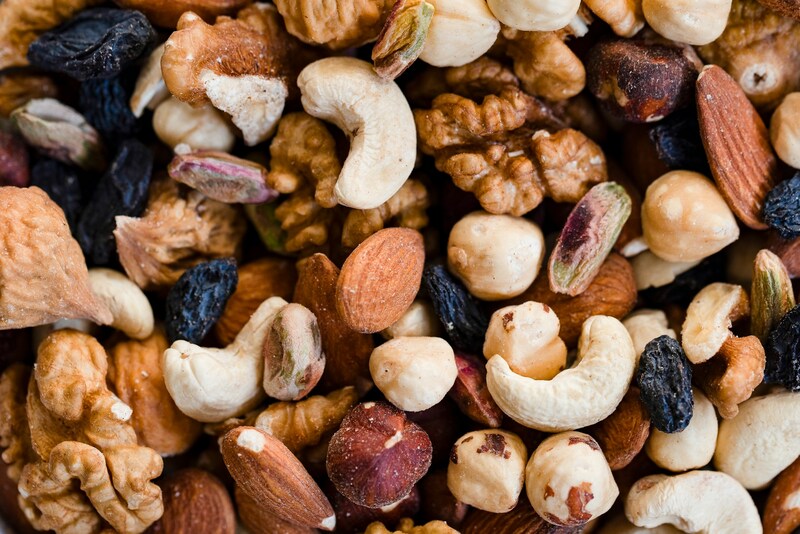
3. Is Kirkland Trail Mix Healthy?
Not really, at least not the standard variety. The mix itself has a decent nut base: almonds, cashews, macadamia nuts, walnuts, and pecans.
But the chocolate chips and sweetened cranberries push sugar to 14g per ounce, which is high for what most people assume is a wholesome snack.
Per one-ounce serving, you’re looking at approximately 160 calories, 4g protein, 11g fat, and only 2g fiber.
However, Kirkland also sells a nut-only mix (no dried fruit or candy) that is nutritionally superior. It contains lower sugar, higher fat and protein, and more fiber per serving.
If health is the priority, the nut-only variety is the better Kirkland option.
>>> Read more: Is Mac and Cheese Healthy? A Complete Nutrition Guide
4. FAQs
How Much Trail Mix Can You Eat Per Day on a Healthy Diet?
One ounce (about a small handful) is a reasonable daily serving for most adults. This delivers 130 to 170 calories, 4 to 6 grams of protein, and 2 to 3 grams of fiber without excessive sugar or calories. Two ounces per day is appropriate for more active people with higher caloric needs.
Can People With Diabetes Eat Trail Mix Regularly?
Yes, if they choose wisely. Nuts alone have minimal glycemic impact. The concern is dried fruit and candy components, which raise blood sugar more quickly. A trail mix made mostly from unsalted nuts and seeds, with limited added sugar, may fit well into many diabetes-friendly eating plans when portions are controlled.
Is Trail Mix a Good Snack Option for Kids?
For older children, yes. Nuts are a choking hazard for children under four, so trail mix is not appropriate for young children. For school-age children, a homemade mix of cashews, almonds, dried fruit, and seeds is a nutritionally strong snack alternative to crackers or chips.
What Is the Healthiest Trail Mix You Can Buy or Make?
The healthiest trail mix consists of raw or dry-roasted unsalted mixed nuts, pumpkin seeds or sunflower seeds, and a small proportion of unsweetened or minimally sweetened dried fruit. No chocolate, no yogurt chips, no honey-roasted coating.
5. Conclusion
Is trail mix healthy? The nuts and seeds make a genuine case for yes. But that case gets harder to defend the more a bag leans on chocolate, added sugar, and sweetened dried fruit.
What it really comes down to is portion awareness, something trail mix makes surprisingly easy to ignore. One measured handful is a solid snack. The rest tends to happen without much thought.
Like most foods, it does its best work when you’re paying a little attention to it.