

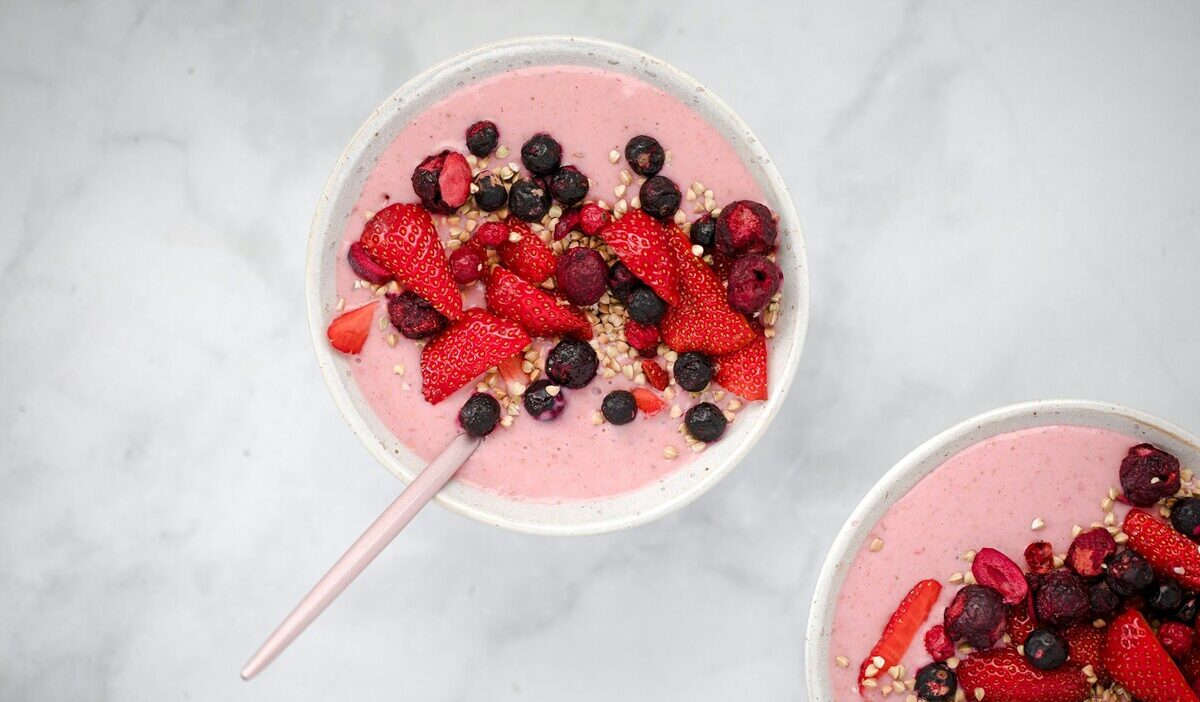
Is frozen yogurt healthy? It depends on what you’re comparing it to, and honestly, that comparison matters less than what’s actually on the label.
Frozen yogurt does have a few things going for it. Protein, calcium, and sometimes live cultures. But sugar tends to show up in higher amounts than most people realize, and that’s where the “healthy dessert” story gets a little more complicated.
Here’s what the nutrition actually looks like.
1. Is Frozen Yogurt Healthy? Simplified Overview
The numbers on a froyo label look reasonable at first glance. But a closer look reveals where the real concerns sit.
1.1 Calories, Sugar, Fat, Protein, and Probiotics Per Serving
A half-cup (about 100-gram) serving of plain nonfat frozen yogurt provides approximately:
- Calories: 100 to 130
- Sugar: 17 to 22 grams (mostly added)
- Fat: 0 to 2 grams
- Protein: 3 to 5 grams
- Calcium: 100 to 150 mg (10 to 15% daily value)
Low fat and a decent calcium hit are the genuine positives here. The sugar figure is where the label earns scrutiny. Seventeen to 22 grams per half cup is significant for a food most people treat as a light option.
And that half-cup serving is smaller than almost anyone actually eats, particularly at self-serve shops where the average customer fills 8 to 16 ounces per visit.
At that volume, sugar intake from the froyo base alone can reach 50 to 80 grams before a single topping is added.
1.2 When Frozen Yogurt Is Healthy and When It Is Not
Frozen yogurt is a reasonable treat when eaten in a controlled portion (half to one cup), chosen without heavy toppings, and eaten occasionally rather than daily. In those conditions, it provides calcium, some protein, and enjoyment at a moderate caloric cost.
It becomes less healthy when the portion size is large, toppings include candy, cookies, or sweetened syrups, and it is consumed frequently as a substitute for a more nutritious snack. The perception that froyo is a healthy food can lead people to eat more of it than they would eat of ice cream.
1.3 How Toppings and Portion Size Change Everything
The froyo itself is only part of the caloric equation. Common topping The froyo is only half the equation. Toppings are where outcomes diverge most sharply. A practical comparison:
- Fresh fruit: 20 to 40 calories per quarter cup. Adds fiber and vitamins.
- Granola: 100 to 130 calories per quarter cup. Adds sugar alongside the crunch.
- Gummy bears or candy: 100 to 150 calories per quarter cup, plus 20 to 30g of sugar.
- Chocolate sauce: 100 to 120 calories per two tablespoons.
- Crushed cookies or brownie pieces: 120 to 180 calories per quarter cup.
A medium froyo with fruit runs 200 to 300 calories total. The same cup with candy, granola, and sauce runs 500 to 700. The froyo base is identical. The toppings determine the nutritional outcome entirely.
>>> Read more: Is Honey Bunches of Oats Healthy? What the Nutrition Facts Show
2. Is Frozen Yogurt Healthier Than Ice Cream?
This is the comparison most people reach for when justifying a froyo order. The nutritional difference is real but narrower than the marketing suggests.
2.1 How Frozen Yogurt and Ice Cream Compare Nutritionally
If you are wondering is frozen yogurt healthy than ice cream, the nutrients for each option are:
- Nonfat frozen yogurt: 100 to 130 cal, 0 to 2g fat, 17 to 22g sugar, 3 to 5g protein.
- Regular vanilla ice cream: 130 to 150 cal, 7 to 10g fat, 14 to 17g sugar, 2 to 3g protein.
Frozen yogurt wins on fat and protein. Ice cream actually contains less sugar in most standard flavors. Neither qualifies as a nutritional food, but froyo has a modest edge when the comparison is made on equal serving sizes.
2.2 Why Frozen Yogurt Is Not Always the Healthier Choice
The equal serving size assumption is where the comparison breaks down in real life.
Ice cream comes in a fixed scoop.
Self-serve froyo invites portions two to four times larger. A large self-serve cup with candy toppings can reach 600 to 800 calories.
Two scoops of regular ice cream sit at 260 to 300 calories. Format and portion size override ingredient differences quickly.
2.3 Which One to Choose Based on Your Health Goals
Choose frozen yogurt if: you are watching fat intake, you want slightly more protein, or you prefer a lighter dessert in a controlled portion with fruit toppings.
Choose ice cream if: you prefer a fixed-portion format that naturally limits serving size, or you want a lower-sugar option in a standard single-scoop serving.
The practical reality: a small portion of whichever you prefer is nutritionally fine. The format and toppings matter more than the base product.
3. How Different Types of Frozen Yogurt Fit Different Health Goals
Standard frozen yogurt isn’t the only option on the market. Two variations are worth understanding separately because they change the nutritional picture in meaningful ways.
3.1 Frozen Greek Yogurt and Higher-Protein Options
If you’re asking is frozen Greek yogurt healthy compared to the regular version, protein is where the difference shows up most clearly. A half-cup of frozen Greek yogurt typically gives you 6 to 8 grams, while regular frozen yogurt usually lands around 3 to 5. Not a dramatic gap, but meaningful if you’re eating it as a post-workout snack or trying to stay fuller between meals.
Sugar stays roughly the same between the two, sometimes a touch lower on the Greek side. Brands like Yasso and Chobani have made this format fairly accessible, and most of their bars and cups sit between 80 and 120 calories per serving, which keeps it reasonable as a daily dessert.
It’s not a protein shake. But for a frozen treat, it pulls more nutritional weight than most alternatives in the same category.
3.2 What to Know About Sugar-Free Frozen Yogurt
Is sugar free frozen yogurt healthy? For certain goals, it genuinely works. These versions swap regular sugar for sweeteners like stevia, erythritol, or sucralose, which brings calories down to around 50 to 80 per serving. If you’re watching blood sugar or just trying to keep portions lighter, that’s a real benefit.
A few things are worth knowing, though. Sugar alcohols like erythritol can cause digestive sensitivity in some people, especially in larger amounts. The taste is also slightly different from the original, which is noticeable if you’re used to the sweetened version.
Neither of those makes it a bad choice. Just good things to be aware of before it becomes a regular part of your routine.
3.3 Can Frozen Yogurt Fit Into a Weight Loss Diet?
Is frozen yogurt healthy for weight loss? In the right setup, yes. A half-cup serving with fruit toppings lands around 100 to 130 calories, which is low enough to satisfy a dessert craving without doing much damage to your daily intake.
For a lot of people, that’s exactly the kind of flexible option that makes a diet sustainable rather than miserable.
The part that trips people up is the self-serve format. It’s very easy to walk out with three times a reasonable portion without really noticing. Measuring at home or ordering a small one at a shop solves that pretty quickly.
If you want to bring calories down even further, sugar-free and Greek yogurt versions do that without taking away the treat.
The core logic stays the same, though: frozen yogurt fits into weight loss when the portion is the one on the label, not the one that felt right at the time.
>>> Read more: Is Trail Mix Healthy? Health Benefits, Risks, and Smarter Ways to Eat It
4. FAQs
Does Frozen Yogurt Still Have Live Probiotics After Freezing?
It depends on the brand and production method. Freezing does not kill probiotic bacteria outright. However, many commercial frozen yogurt products are heat-treated after fermentation, which eliminates live cultures before freezing.
Can People With Diabetes Eat Frozen Yogurt?
Yes, but in moderation and with the right choices. Standard frozen yogurt contains 17 to 22 grams of sugar per half cup, which raises blood sugar quickly. Sugar-free versions with less than 5 grams of sugar per serving are a more appropriate choice for people with diabetes.
How Much Frozen Yogurt Can You Eat Per Day on a Healthy Diet?
A half-cup to one cup as an occasional treat is appropriate for most adults. Daily frozen yogurt consumption of one cup adds 200 to 260 calories and 34 to 44 grams of sugar before toppings, which is high enough in added sugar to impact daily dietary totals significantly.
Is Frozen Yogurt Healthy for Kids?
As an occasional treat, yes. It provides calcium and protein that children need, and it is lower in fat than ice cream. The added sugar content is the main consideration: a full cup provides 34 to 44 grams of sugar for a child, which approaches or exceeds daily sugar recommendations for most pediatric age groups.
5. Conclusion
Is frozen yogurt healthy? As a dessert that fits into a balanced diet, it holds up reasonably well. You get calcium, some protein, and occasionally live cultures at a calorie count that stays manageable when the portion is kept honest.
Where it tends to go sideways is the self-serve setup and the toppings. A small cup with fresh fruit is a genuinely solid treat. Load it up with candy and sauce and you’re essentially eating ice cream with a healthier label on it.
That gap between the two versions is really what the answer comes down to. Frozen yogurt isn’t inherently good or bad. It’s just more forgiving when you treat it like a treat and not an open invitation.