

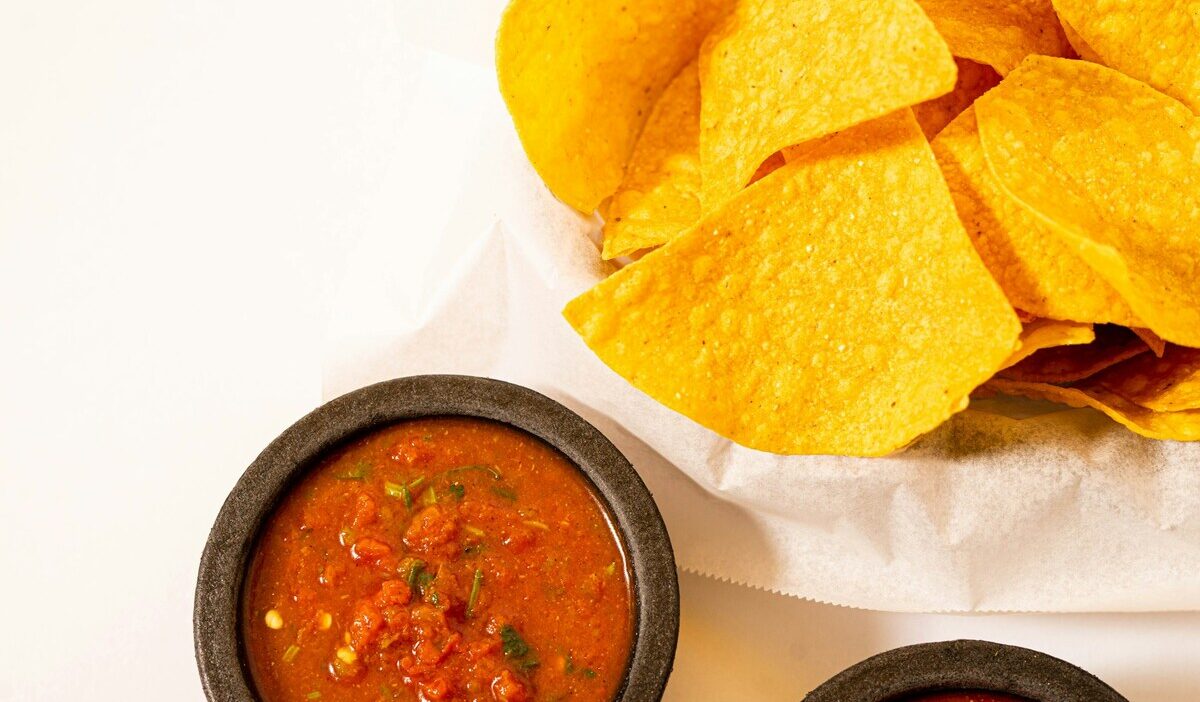
Is salsa healthy? Pretty much across the board, yes. And it’s one of the few condiments where the nutrition actually backs up the reputation.
Whole vegetables, herbs, almost no fat, and a calorie count low enough that it barely registers. The vitamins and antioxidants are a genuine bonus, not a marketing stretch. The one thing worth checking on store-bought versions is sodium, which can creep up depending on the brand.
The chips are a separate conversation. But salsa itself is worth understanding a little better before you assume it’s just a snack topping.
1. Is Salsa Healthy for You? What Makes It Considered One of the Best Condiments
Most condiments come with a trade-off. Flavor usually costs something, like calories, fat, sugar, or all three. Salsa is one of the rare exceptions. Is salsa healthy? By almost every nutritional measure, yes. The more interesting question is what affects that quality and when it stops being true.
1.1 Key Nutrients in Salsa: Vitamins, Antioxidants, and Fiber Per Serving
Two tablespoons of standard tomato salsa contain 10 to 15 calories, 1 gram of sugar, 0.5 to 1 gram of fiber, vitamin C, and lycopene. For context, that’s roughly the caloric equivalent of a single potato chip.
The ingredient list behind those numbers does real work.
- Tomatoes provide lycopene, a carotenoid with documented cardiovascular benefits.
- Peppers contribute vitamin C and capsaicin.
- Onion adds quercetin.
- Garlic brings allicin.
These aren’t trace amounts added for label purposes. These ingredients typically make up the core of traditional salsa recipes.
That foundation is what makes salsa genuinely useful rather than just low-calorie. Still, not every version of salsa delivers those benefits equally.
1.2 Fresh Homemade vs Jarred Salsa: How Much the Nutrition Differs
Fresh homemade salsa made from diced tomatoes, onion, jalapeño, lime, cilantro, and a pinch of salt is genuinely excellent nutritionally.
It contains no preservatives, minimal sodium, and maximum vitamin C content since fresh tomatoes retain more than cooked or processed ones.
Jarred salsa is convenient and still nutritious, but the cooking and canning process reduces some heat-sensitive vitamins. The main difference is sodium.
Homemade salsa typically contains 50 to 100 milligrams of sodium per two tablespoons, depending on how much salt is added. Jarred versions range from 90 to 280 milligrams for the same amount.
1.3 The One Concern Worth Watching: Sodium in Store-Bought Salsa
Sodium is the only nutritional issue salsa carries, and it compounds quickly with realistic serving sizes. Most people eat four to six tablespoons at a sitting, not two.
At a higher-sodium brand, that’s 400 to 840 milligrams of sodium from salsa alone before anything else on the plate is counted.
Lower-sodium options from brands like Frontera and Whole Foods 365 keep sodium under 100 milligrams per two tablespoons.
They’re widely available and the straightforward solution for anyone eating salsa regularly or monitoring daily sodium intake.
>>> Read more: Is Peanut Oil Healthy? A Clear Guide to Benefits and Risks
2. Is Chips and Salsa a Healthy Snack?
Salsa’s nutritional story is clean and simple on its own. What changes things is what it gets eaten with, and that’s almost always chips.
2.1 How Chips Change the Nutritional Picture of a Salsa Snack
Salsa is healthy on its own. Chips are the variable. That’s left people wondering is chips and salsa healthy.
In terms of portion, a standard serving of tortilla chips (about 28 grams, 12 to 15 chips) contains 140 calories, 7 grams of fat, 18 grams of carbohydrates, and 110 milligrams of sodium.
Most people eat two to three servings of chips with salsa in a social setting. It adds 280 to 420 calories, 14 to 21 grams of fat, and 36 to 54 grams of refined carbohydrates.
The salsa remains nutritious throughout. The chips determine whether the snack is light or calorie-dense.
2.2 Healthier Chip Alternatives to Pair With Salsa
Swapping the delivery vehicle changes the equation completely. Several options work well without sacrificing the eating experience:
- Sliced cucumber rounds: essentially zero calories, high water content, satisfying crunch.
- Bell pepper strips: add vitamin C and fiber. Natural sweetness pairs well with savory salsa.
- Jicama slices: crisp texture, slightly sweet, very low calorie.
- Whole grain or seed crackers: more fiber and less refined starch than standard chips.
- Baked corn chips: similar flavor to fried, 20 to 30% fewer calories, and significantly less fat.
Salsa with vegetables instead of chips turns a calorie-neutral dip into a genuinely nutritious snack with minimal caloric cost.
2.3 How to Keep Chips and Salsa a Reasonable Snack
Sometimes chips are the point, and that’s fine. A few habits make a real difference in how much gets eaten.
Measure one serving into a bowl before starting, and close the bag. This simple habit often helps people eat noticeably fewer chips compared to eating directly from the bag.
Using more salsa per chip also helps, with more flavor per bite, which means the same satisfaction from fewer chips. A chunkier salsa with visible vegetables naturally slows the eating pace compared to smooth, thin varieties.
3. Is Tostitos Salsa Healthy?
Tostitos Chunky Salsa contains approximately 10 calories, 1 gram of sugar, and 230 milligrams of sodium per two-tablespoon serving. At the labeled serving size, it is a low-calorie product.
The sodium is on the higher end for jarred salsa. At four tablespoons, sodium reaches 460 milligrams.
For people with normal blood pressure and moderate overall sodium intake, this is manageable.
For people monitoring sodium, a lower-sodium alternative is worth seeking.
The ingredient list is clean: tomatoes, jalapeño peppers, onion, salt, cilantro, and citric acid. No artificial colors, flavors, or preservatives. From an ingredient quality standpoint, Tostitos salsa is a reasonable mainstream option.
>>> Read more: Is Cream Cheese Healthy? 4+ Powerful Facts You Should Know
4. FAQs
What Should People With Diabetes Know About Salsa?
Salsa can be a good condiment option for many people with diabetes because it is typically low in sugar and calories. The main precaution is sodium intake for people with diabetes who also have hypertension, a common comorbidity.
Can You Eat Salsa Every Day on a Healthy Diet?
Yes. Regular tomato intake is associated with cardiovascular and prostate health benefits from lycopene. The vitamins, antioxidants, and anti-inflammatory compounds in fresh vegetable ingredients provide ongoing dietary benefit.
Is Salsa Healthy for People on a Low-Sodium Diet?
It depends on the brand. Many commercial salsas contain 200 to 280 milligrams of sodium per two tablespoons, which is significant on a 1,500 milligram daily limit. Low-sodium salsa options exist and typically contain 50 to 100 milligrams per serving.
Is Green Salsa Healthier Than Red Salsa?
They are comparable with different micronutrient profiles. Green salsa (salsa verde) is made from tomatillos rather than tomatoes. Tomatillos provide vitamin K, vitamin C, and antioxidant withanolides not found in tomatoes. Red tomato salsa provides lycopene and beta-carotene. Neither is definitively superior.
5. Conclusion
Among condiments, salsa sits at the top of the list for a reason. Low calorie, no fat, real vitamins, and enough versatility to work with almost anything. The only number worth watching on the label is sodium, and even that’s easy to manage once you know which brands handle it well.
Pair it with vegetables instead of chips, and it stops being a condiment and starts being a genuinely useful part of the meal. Make it fresh when you can, and there’s really nothing to qualify.
Is salsa healthy? It’s one of the rare cases where the food actually lives up to what people assume about it. Not many condiments can say the same.