

Have you been asking is Spam healthy enough to fit into modern eating habits, or is it simply one of those nostalgic foods people enjoy without thinking much about nutrition? Spam is convenient, shelf-stable, and packed with flavor. It is also a processed meat with noticeable sodium and saturated fat levels.
This guide explains how Spam affects nutrition, how it compares with other protein options, and when it may or may not fit into a balanced diet.
1. Is Spam Healthy As a Food Choice
Yes, Spam can fit into a balanced diet occasionally, though it is still considered a processed meat product. Spam provides a convenient source of protein and calories, which partly explains its long popularity across different cultures and households.
Spam contains high sodium levels, processed fats, and preservatives that may become less balanced when eaten regularly in large amounts.
A few slices added to a vegetable-heavy meal behave differently from eating large portions alongside fried foods and sugary drinks.
2. What Defines Spam’s Health Impact
Part of the reason people ask how healthy is Spam comes from the contradiction inside the product itself. Spam contains protein, though it is also highly processed and sodium-heavy. Several factors shape the final nutrition impact.
- Sodium Content
Spam contains significant sodium levels in many varieties. Frequent high sodium intake may contribute to excessive sodium consumption over time, especially when paired with other processed foods.
- Portion Size
Part of the answer to is Spam healthy comes down to portion size. A small serving used for flavor creates a different nutrition profile from eating half a can in one sitting.
- Meal Composition
Spam paired with rice and vegetables behaves differently from Spam eaten with fries, instant noodles, and processed snacks.
- Cooking Method
Pan-frying Spam in extra oil changes calorie density more than grilling or lightly crisping smaller portions.
- Frequency of Intake
Occasional meals create different long-term patterns than daily processed meat consumption.
>>> Read more: Is Chicken Salad Healthy? Nutrition Facts and What Actually Matters
3. Comparing Spam to Other Protein Options
When asking is Spam a healthy food, many people are also indirectly asking is Spam healthy compared to bacon, sausage, deli meat, canned tuna, or grilled chicken.
| Protein Option | Protein Level | Processing Level | Sodium | Saturated Fat |
| Spam | Moderate | High | High | Moderate |
| Bacon | Moderate | High | High | Higher |
| Sausage | Moderate | High | High | Higher |
| Grilled chicken | High | Low | Lower | Lower |
| Canned tuna | High | Moderate | Moderate | Low |
4. When Spam Fits (and When It Doesn’t)
Part of the answer to is Spam healthy depends on context. There are situations where smaller amounts may fit into balanced meals more comfortably.
When Spam Fits Better
- Mixed into vegetable fried rice with moderate portions
- Added to musubi alongside seaweed and rice with balanced serving sizes
- Combined with eggs and vegetables instead of processed sides
- Used occasionally rather than daily
When Spam Becomes Less Balanced
- Eaten frequently alongside instant noodles and processed snacks
- Combined with multiple high-sodium foods in the same meal
- Served in oversized portions
- Deep-fried regularly with sugary sauces
The answer to is Spam healthy usually depends more on the overall meal pattern than on Spam alone. Portion size, frequency, and food pairing often shape whether the meal feels more balanced or heavily processed.
5. FAQs
Is Spam a healthy food compared to other processed meats?
Spam may be compared somewhat differently to other processed meats depending on the product, though it is still considered a processed meat high in sodium and best eaten in moderation.
How healthy is Spam if eaten occasionally?
Spam can fit into balanced eating habits occasionally when portions stay moderate, and meals include vegetables or whole foods.
Is low sodium Spam healthy enough for regular meals?
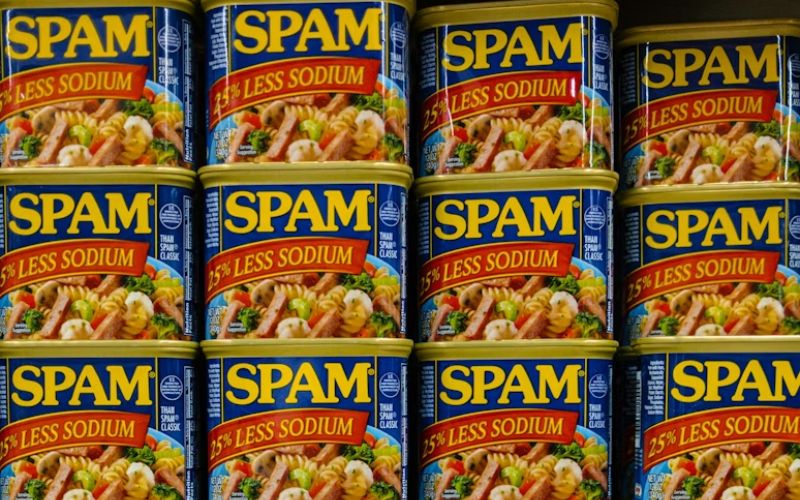
Low-sodium Spam may be a slightly better option because it reduces part of the overall sodium content. Still, Spam remains a processed meat, so portion size and meal balance still matter.
Is Spam musubi healthy as a balanced meal?
Yes, Spam musubi can fit into a balanced meal when eaten in moderate portions and paired with vegetables or other whole foods. Eating multiple servings alongside fried foods may increase sodium and calorie intake quickly.
Is Spam better for you than bacon?
Spam and bacon are both processed meats high in sodium and saturated fat. Some Spam varieties may contain slightly less saturated fat than certain bacon products, though both are best eaten in moderation.
Why do Hawaiians eat so much Spam?
Spam became popular in Hawaii during and after World War II because it was affordable, shelf-stable, and widely available. Over time, it became part of local food culture and dishes such as Spam musubi.
Is Spam considered junk food?
Yes. Spam is often considered a processed or junk food because it contains high sodium, preservatives, and saturated fat. Still, eating it occasionally in moderate portions within balanced meals creates a different health impact than frequent overconsumption.
Conclusion
Is Spam healthy? Spam can fit into balanced eating habits occasionally when portions stay moderate, and meals include whole foods. The bigger difference usually comes from frequency, sodium intake, and overall meal quality rather than the product alone.
Choosing smaller servings, balanced side dishes, and lower-sodium versions may help create a more practical long-term approach.