
Is chicken salad healthy? It depends almost entirely on what goes into it. Chicken itself is a lean, high-protein food with strong nutritional value. The dressing, add-ins, and how it is served determine whether the final dish fits well into your dietary goals.
A homemade chicken salad with light dressing, celery, and herbs is a genuinely healthy meal. A heavy mayo-based version served on a croissant with chips is a different nutritional outcome entirely.
1. Is Chicken Salad Healthy? What the Nutrition Says
The nutritional foundation of chicken salad is strong. Cooked chicken breast is high in protein (around 26 grams per 100 grams), low in fat, and virtually carb-free. It provides B vitamins, particularly niacin and B6, and is a complete protein source.
But be careful with the dressing. Traditional chicken salad uses mayonnaise as the base. Two tablespoons of full-fat mayo add approximately 180 calories and 20 grams of fat to a serving.
A chicken salad recipe using a quarter cup of mayo per serving can run 350 to 450 calories before any bread, crackers, or sides are added.
Ingredients like celery, onion, and fresh herbs add negligible calories and meaningful nutrients.
Dried fruit, nuts, and sweetened dressings add more. A half-cup serving of a typical mayo-based chicken salad contains roughly 250 to 350 calories, 20 to 28 grams of fat, and 15 to 18 grams of protein.
Per the USDA FoodData Central, the protein density of chicken makes it one of the most nutritionally efficient foods available. The question is always what surrounds it.
2. Chicken Caesar Salad and It Nutrition Value
Many people also asking is chicken Caesar salad healthy, though the answer isn’t as straightforward as you expected it to be, it worth taking a closer look.
2.1 Caesar Dressing, Croutons, and Parmesan: The Real Calorie Culprits
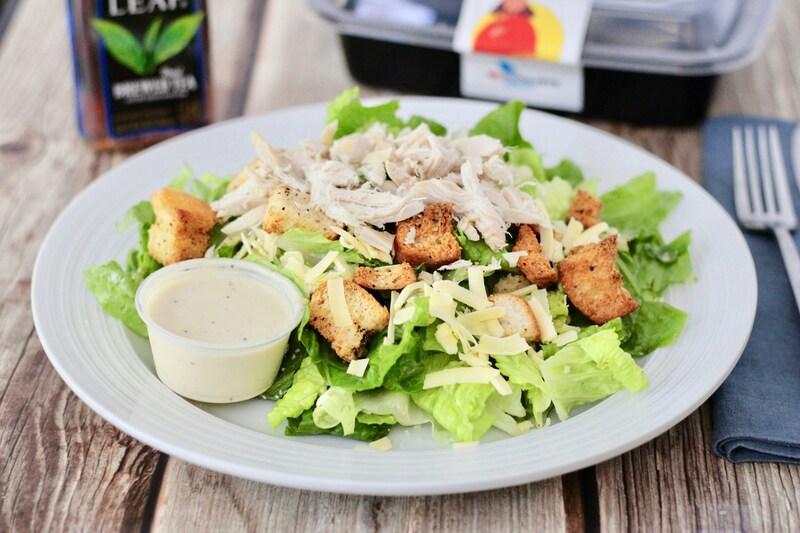
Chicken Caesar salad has a healthy reputation it does not always deserve. The base of romaine lettuce is nutritious, low-calorie, and high in vitamins A and K. The chicken adds protein. So far, genuinely healthy.
The dressing is where it goes wrong. A standard Caesar dressing is made with egg yolk, oil, anchovies, and Parmesan. Two tablespoons contain around 150 to 170 calories and 16 grams of fat. Restaurant portions typically use three to four tablespoons, which can add roughly 225 to 340 calories from dressing alone.
Croutons add 50 to 100 calories and refined carbohydrates per serving with minimal nutritional value. Generous Parmesan shavings add another 100 to 150 calories. A restaurant Caesar salad with chicken can total 600 to 900 calories despite containing mostly lettuce.
2.2 How to Make a Chicken Caesar Salad Healthier Without Losing the Flavor
These changes can meaningfully reduce calories while keeping most of the classic Caesar flavor:
- Use two tablespoons of dressing instead of four. The flavor is still present. The calorie load drops by half.
- Skip the croutons or replace them with a small handful of toasted nuts for texture and nutritional value.
- Use freshly grated Parmesan lightly rather than heavy shavings. A teaspoon of Parmesan adds flavor with around 20 calories.
- Choose a lighter Caesar dressing or make a yogurt-based version at home using Greek yogurt, lemon, garlic, and a small amount of anchovy paste.
2.3 Chicken Caesar Salad at Restaurants vs Homemade: A Big Nutritional Gap
Is a chicken Caesar salad healthy at a restaurant? Often not.
Most restaurant Caesar salads are dressed heavily, plated generously, and contain significantly more calories than the name suggests. A salad is not automatically a healthy choice when it arrives with four tablespoons of creamy dressing and a thick layer of croutons.
Homemade chicken Caesar salad with controlled dressing, grilled chicken, and fresh romaine is a different nutritional product. The same ingredients handled differently produce a 400-calorie meal instead of an 800-calorie one.
3. What if the salad is from Chicken Salad Chick?
If you have been wondering, is Chicken Salad Chick healthy? Then here is your answer.
Chicken Salad Chick is a restaurant chain specializing in chicken salad varieties.
Like any restaurant, the nutritional value varies by menu item. Some options are straightforward, protein-forward chicken salads with minimal added ingredients.
Others include sweet or heavy mix-ins that significantly increase calorie and sugar content.
For anyone evaluating the chain’s options, requesting the nutrition information before ordering is the most reliable approach.
Simpler varieties with fewer add-ins and lighter dressings are the better nutritional choices at any chicken salad restaurant. Portion size also matters. A scoop of chicken salad on a bed of greens is a different meal than a scoop on a croissant with sides.
>>>Read more: Is Chinese Food Healthy? The Real Answer You Need To Know
4. Chicken Salad and Weight Loss Diet: Do both go hand in hand?
Many assume that when you say salad, it’s definitely suitable for a weight loss diet. But if that is the case, why do many still ask is chicken salad healthy for weight loss?
Chicken salad can support weight loss when made with a lighter dressing and served appropriately.
The high protein content promotes satiety and helps preserve muscle mass during a calorie deficit.
Protein-rich meals may help increase fullness and support reduced calorie intake throughout the day.
The challenge is the caloric density added by mayonnaise. A half-cup scoop of traditional chicken salad on a croissant with a side of chips is a 700 to 900-calorie lunch.
The same chicken salad served over greens with a fork runs 300 to 400 calories. Weight loss outcomes differ significantly.
For weight loss, the practical changes are: use Greek yogurt instead of mayo, serve on lettuce or whole grain crackers instead of bread, and keep portions to a half-cup serving per meal.
5. FAQs
Is It Safe to Eat Chicken Salad Every Day?
Yes, with a few things in mind! Heavy mayo-based versions can add up in saturated fat and calories over time, so a lighter version made with Greek yogurt or a small amount of mayo, lean chicken, and fresh vegetables is a much better daily option. Also worth remembering: chicken salad should be refrigerated promptly and eaten within 3–4 days of preparation.
Can People With Diabetes Eat Chicken Salad?
Yes, it’s a great option! Chicken salad is naturally low in carbohydrates, and its protein and fat content help slow digestion and moderate blood sugar levels. The main thing to consider is what you serve it with. Whole-grain crackers are a smart choice, while croissants or white bread can cause blood sugar to spike more quickly.
What Is the Healthiest Way to Serve Chicken Salad?
The best option is on a bed of mixed greens or romaine lettuce, which adds vitamins, minerals, and fiber with virtually no extra calories. Whole-grain crackers, whole wheat pita, or lettuce wraps are also great choices. On the other end of the spectrum, croissants, white bread, and pastry rolls are worth avoiding, as they add refined carbohydrates and saturated fat without any nutritional benefit.
Is Chicken Salad Healthy When Made With Greek Yogurt Instead of Mayo?
Yes, and it’s a worthwhile swap! Greek yogurt is higher in protein and significantly lower in fat than mayo, reducing calories by around 60–70% per tablespoon. If you find the flavor a little too tangy, a half Greek yogurt, half light mayo mix is a great middle ground, cutting calories by around 40% while keeping that creamy texture.
6. Conclusion
Is chicken salad healthy? The chicken is always a nutritional asset. The dressing, add-ins, and serving method determine the overall outcome.
Traditional mayo-based chicken salad is calorie-dense and should be portioned carefully. Greek yogurt versions, lighter dressings, and vegetable-forward serving options make it a genuinely healthy, high-protein meal for most dietary goals.