


Is canned chicken healthy? It sits quietly in your pantry, costs next to nothing, and comes together in minutes, yet somehow it never gets the credit it deserves.
Nutritionally, it has a lot going for it: high protein, low fat, and genuinely convenient. But a couple of things are worth knowing before it becomes a daily staple. Sodium levels vary more than you’d think between brands, and the type of can lining is a question more people are starting to ask.
Neither is a reason to avoid it, but understanding both will help you choose better and eat smarter. Here’s the full breakdown.
Is Canned Chicken Healthy? What You Actually Get in a Can
Protein, Calories, Fat, and Sodium in a Typical Serving
A standard two-ounce (56-gram) serving of canned chicken in water provides approximately:
- Calories: 70 to 90
- Protein: 14 to 16 grams
- Fat: 1 to 2 grams
- Carbohydrates: 0 grams
- Sodium: 200 to 400 milligrams, depending on brand
According to the USDA FoodData Central, canned chicken in water is one of the leanest packaged protein sources available. The protein-to-calorie ratio is strong, comparable to that of fresh grilled chicken breast.
Canned Chicken vs Fresh Chicken Breast: Key Nutritional Differences
Freshly cooked chicken breast and canned chicken breast have similar protein content.
- Fresh chicken typically provides 26 grams of protein per 100 grams.
- Canned chicken provides 22 to 24 grams per 100 grams, slightly less because of water absorption during processing.
The main nutritional gap is sodium.
- Fresh chicken breast cooked without added salt contains around 60 to 75 milligrams of sodium per 100 grams.
- Canned chicken contains 300 to 600 milligrams per 100 grams, depending on the brand and whether it is labeled reduced sodium.
Texture is also different. Canned chicken has a softer, shredded texture rather than the firm structure of fresh-cooked chicken. This affects how it is used in recipes but not its nutritional value.
>>> Read more: Is Chicken Salad Healthy? Nutrition Facts and What Actually Matters
The Real Concerns: Sodium, BPA, and Additives to Watch Out For
Sodium is the primary concern. A single can of chicken can contain 600 to 900 milligrams of sodium, which is 26 to 39% of the recommended daily limit of 2,300 milligrams. For people monitoring blood pressure or cardiovascular health, this adds up quickly if canned chicken is eaten daily.
Draining and rinsing canned chicken under cold water reduces sodium by approximately 20 to 30%. This is a worthwhile step if sodium intake is a concern.
BPA (bisphenol A) is a chemical used in some can linings and has raised health concerns related to potential hormonal effects at high levels of exposure. Most major canned chicken brands have transitioned to BPA-free linings. Checking the can label for BPA-free certification is the simplest way to verify.
Some brands add sodium broth, seasoning, or modified food starch. These add sodium and minimal calories. Choosing brands with chicken and water as the only ingredients keeps the product cleaner.
Canned Chicken Breast Compared to Other Varieties
Is canned chicken breast healthy, you asked?
Canned chicken breast is generally the leanest variety. It contains the least fat and the highest protein-to-calorie ratio.
Canned whole chicken, chunk chicken, or chicken with broth typically includes darker meat, skin, or added sodium that reduces the overall nutritional quality.
Look for labels that specify white meat or chicken breast. Chunk light chicken mixes white and dark meat and is slightly higher in fat.
Neither is unhealthy, but breast-only options are cleaner nutritionally for people focused on lean protein intake.
>>>Read more: Is Chinese Food Healthy? The Real Answer You Need To Know
Canned Chicken from Kirkland and Costco
For people asking both questions: Is Kirkland canned chicken healthy? Or is Costco canned chicken healthy?
The Kirkland Signature canned chicken sold at Costco is one of the better options in this category. It contains chicken breast meat, water, and sea salt, with no added broth, starch, or fillers.
A 2.5-ounce serving of Kirkland canned chicken contains approximately 70 calories, 15 grams of protein, 1 gram of fat, and around 230 milligrams of sodium. The sodium level is on the lower end for standard canned chicken, and the ingredient list is minimal.
It is not labeled BPA-free on current packaging. Consumers who prioritize BPA-free cans should check current labeling or contact the manufacturer directly, as can lining specifications can change without prominent label updates.
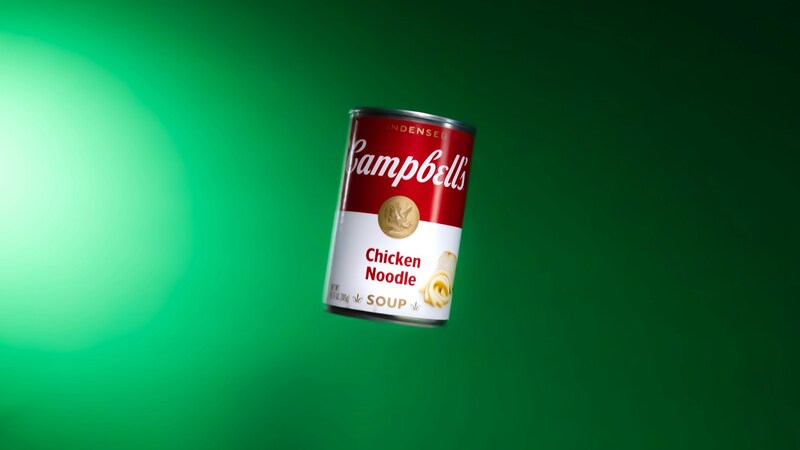
Is Canned Chicken Noodle Soup Healthy?
Canned chicken noodle soup is a different product from canned chicken. It is worth evaluating separately. The chicken content in most canned soups is modest, and usually contains much less protein than canned chicken alone.
The main concern with canned chicken noodle soup is sodium. A standard can contains 800 to 1,200 milligrams of sodium, sometimes more. Reduced-sodium versions typically cut this to 400 to 600 milligrams, which is still significant.
Canned chicken noodle soup is appropriate as an occasional meal or when sick and appetite is low. As a regular daily food, the sodium load makes it a less suitable choice for people managing blood pressure or cardiovascular risk. Choosing reduced-sodium varieties and pairing with additional vegetables improves the nutritional profile.
FAQs
Is Canned Chicken Healthy for Weight Loss?
Yes, it’s a great option! With 14–16 grams of protein for just 70–90 calories per two-ounce serving, canned chicken is both filling and low in calories. Protein helps curb hunger and preserve muscle during a calorie deficit, and it works beautifully mixed into salads, wraps, or vegetable-based dishes for satisfying, low-calorie meals.
How Often Can You Eat Canned Chicken on a Healthy Diet?
From a protein standpoint, canned chicken can fit into a healthy diet regularly. The main thing to manage is sodium; a full can of standard canned chicken adds 600–900mg from that source alone.
For most healthy adults, this is manageable, but if you’re watching your sodium intake, opting for low-sodium varieties, rinsing before eating, or alternating with fresh chicken are all simple ways to keep levels in check.
Is Low-Sodium Canned Chicken Worth the Extra Cost?
For regular consumers, yes! Low-sodium versions typically contain 50–140mg of sodium per serving compared to 200–400mg in standard versions, with identical protein content and usually only a modest price difference. If you’re eating canned chicken frequently, that reduction adds up meaningfully over the course of a week. For occasional use, the standard version is perfectly fine.
Is Canned Chicken Suitable for Building Muscle?
Yes, it’s a solid choice! Canned chicken delivers 14–16 grams of complete protein per two-ounce serving, including all essential amino acids and leucine, which plays a key role in muscle protein synthesis. For anyone looking to hit their daily protein targets without breaking the bank, it’s a convenient and effective option.
Conclusion
Is canned chicken healthy? Yes, as a lean protein source. The protein-to-calorie ratio is strong, the fat content is minimal, and it requires no preparation.
Sodium is the primary variable. Choose low-sodium varieties when possible, rinse before use, and check for BPA-free labeling if that is a concern. Within those considerations, canned chicken is a practical and nutritionally sound food for most dietary goals.