
Is ceviche healthy? It’s one of those dishes that genuinely earns the label without needing much defending.
Fresh seafood, citrus, herbs, and a little heat. No cooking oil, no heavy sauces, nothing processed. What you get on the plate is mostly protein, omega-3 fatty acids, and a solid hit of vitamin C from the lime. For something that tastes that good, the nutrition holds up surprisingly well.
Here’s a closer look at what makes it work and what to keep in mind before eating it regularly.
1. Is Ceviche Healthy for You? What the Nutrition Data Shows
Few dishes do as much nutritional work in as few calories as ceviche. Fresh seafood, citrus, and vegetables come together in a preparation that is naturally lean.
But is ceviche healthy across the board, or are there conditions that change that picture? The nutrition data makes a strong case, with one area worth understanding before diving in.
1.1 Key Nutrients in Ceviche: Protein, Omega-3s, Vitamin C, and More
Start with what a standard serving actually contains. One cup of white fish ceviche (about 150g) provides:
- Calories: 120 to 160
- Protein: 18 to 22g
- Fat: 1 to 4g (mostly unsaturated)
- Carbohydrates: 6 to 10g (from onion, tomato, and lime juice)
- Omega-3 fatty acids: 0.3 to 1g, depending on the fish
- Vitamin C: 25 to 40% daily value from citrus and peppers
- Sodium: 200 to 500mg, depending on added salt
That protein-to-calorie ratio is worth pausing on. Eighteen to 22 grams of protein under 160 calories places ceviche among the most efficient whole-food protein sources available.
Most dishes that hit that protein range carry significantly more calories alongside it.
1.2 Health Benefits of Ceviche Backed by Research
The combination of nutrients in ceviche supports several health outcomes. Omega-3 fatty acids from seafood are associated with reduced cardiovascular disease risk, lower triglycerides, and reduced inflammation.
Recent research supports two or more servings of fatty fish per week for heart health.
Vitamin C from fresh lime juice and aji amarillo or serrano peppers supports immune function and collagen synthesis. It also enhances the absorption of non-heme iron from the seafood and accompanying vegetables.
The lean protein in ceviche supports muscle maintenance, satiety, and metabolic rate. At 18 to 22 grams of protein per cup, at under 160 calories, it is one of the most efficient protein-to-calorie ratios of any whole food dish.
1.3 The One Real Concern: Raw Seafood Safety and How to Manage It
Citric acid from lime juice denatures proteins in the seafood and changes its texture, but it does not kill all pathogens the way heat cooking does.
Vibrio bacteria and parasites can survive citric acid curing, particularly in improperly handled or lower-quality seafood.
Risk reduction steps that matter:
- Use fresh, high-quality seafood from a reputable source. Sushi-grade or previously flash-frozen fish significantly reduces parasite risk. Freezing at minus 4 degrees Fahrenheit for 7 days kills most parasites.
- Keep seafood refrigerated throughout preparation and serve within 2 hours of curing.
- For shrimp ceviche, use pre-cooked shrimp if food safety is a concern. Cooked shrimp provides the same nutritional profile with none of the raw seafood risk.
Healthy adults eating ceviche at reputable restaurants or made at home from quality ingredients face a very low actual risk.
>>> Read more: Is Tropical Smoothie Healthy? What You Need to Know Before Ordering
2. Ceviche Variations: Is Shrimp Ceviche Healthy vs Fish Ceviche?
All ceviche is nutritious. What changes between varieties is where the nutritional emphasis lands, and that distinction matters depending on what someone is eating toward.
2.1 How Shrimp and Fish Differ Nutritionally in Ceviche
Both shrimp and fish ceviche are nutritious, but their nutritional strengths are slightly different. People searching is fish ceviche healthy are often comparing lean white fish with shrimp or fattier fish like salmon and tuna.
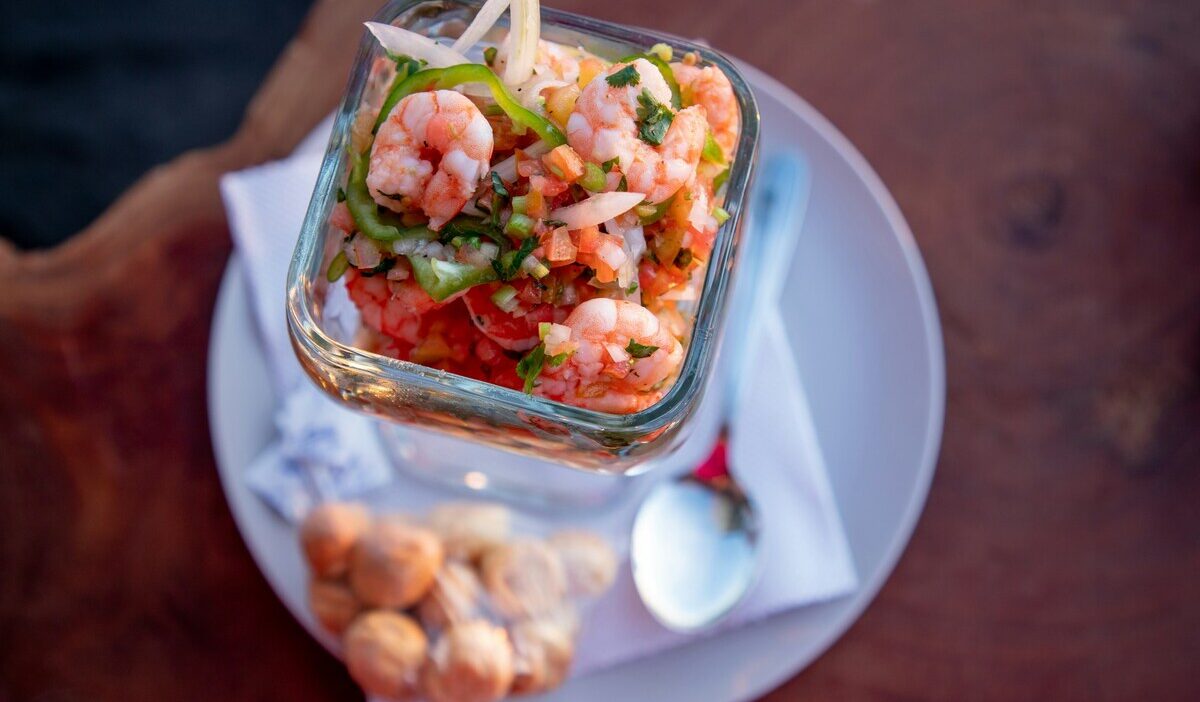
- Shrimp ceviche is usually the lightest option, with roughly 90 to 110 calories, 18 to 20 grams of protein, and very little fat per 100 grams. It is also naturally rich in iodine and selenium, although it contains more cholesterol than most fish varieties.
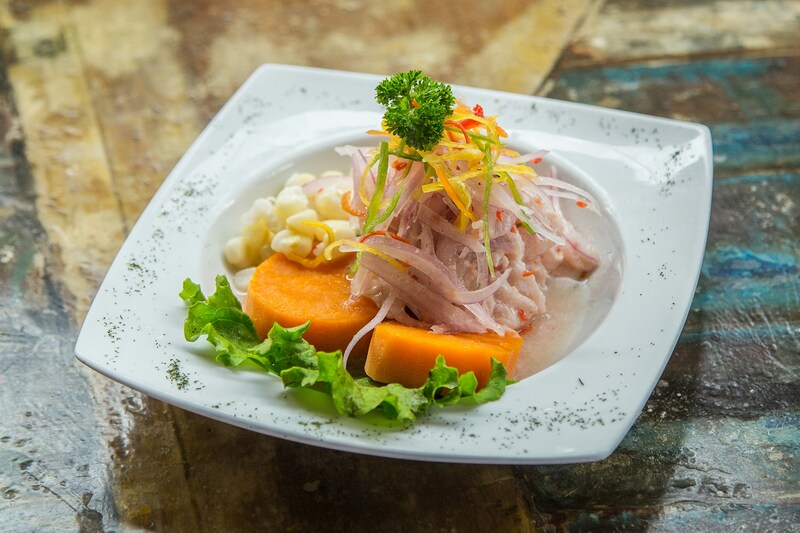
- White fish ceviche made with tilapia or halibut tends to contain around 100 to 130 calories with 18 to 22 grams of protein and slightly more healthy fat. Cholesterol levels are usually lower than in shrimp, and some species provide modest amounts of omega-3s.
- Salmon or tuna ceviche is more calorie-dense at roughly 150 to 200 calories per 100 grams, but that increase mainly comes from healthy fats. These fish provide significantly more omega-3 fatty acids, which is why they are often considered the most heart-supportive choices for ceviche.
2.2 Which Type of Ceviche Is the Better Choice for Your Goals
The healthiest type of ceviche usually depends on what you want from the meal.
Shrimp or tilapia ceviche tends to be the leanest option because it provides high protein with relatively low calories.
Salmon or tuna ceviche offers more omega-3 fats, which may support heart health, while sea bass or halibut gives a balance of protein and healthy fat without feeling too heavy.
Overall, most traditional ceviche varieties are considered healthy. The bigger difference comes from your dietary priorities rather than one type being dramatically better than another.
>>> Read more: Is Canned Tuna Healthy? A “Risk vs Benefit” Framework
3. Is Ceviche Healthy for Specific Diets and Health Conditions?
Ceviche fits surprisingly well into several eating styles because the dish is naturally high in protein and minimally processed.
People searching is ceviche healthy for weight loss are usually looking for meals that feel filling without adding too many calories, and ceviche generally fits that goal well.
A typical cup contains roughly 120 to 160 calories with around 18 to 22 grams of protein, which helps support satiety at a relatively low caloric cost.
It also works well for low-carb and ketogenic diets since most servings contain only about 6 to 10 grams of carbohydrates.
In Mediterranean-style eating, ceviche already aligns with many core principles because it combines seafood, fresh vegetables, citrus, and minimal processing.
Traditional ceviche is also naturally gluten-free, although sides like crackers or wheat-based tostadas can change that.
4. FAQs
Is Ceviche Safe to Eat During Pregnancy?
Standard ceviche is not recommended during pregnancy because it is made from raw or partially cured seafood. Pregnant individuals are at higher risk for foodborne illness from Vibrio, Listeria, and parasites that can survive citric acid curing.
How Often Can You Eat Ceviche on a Healthy Diet?
Two to three times per week is reasonable for most healthy adults, consistent with general seafood recommendations. For fatty fish ceviche (salmon, tuna), mercury content is the relevant consideration for high-frequency consumption
Is Ceviche Healthy if You Have High Cholesterol?
Yes, with some nuance by type. Shrimp is high in dietary cholesterol (170 milligrams per 100 grams). However, current dietary guidelines deprioritize dietary cholesterol as a driver of blood cholesterol for most people. The bigger concern is saturated fat, which shrimp and white fish contain in very small amounts.
5. Conclusion
Across most nutritional measures, ceviche holds up better than almost anything in the same category. High protein, low calories, omega-3s, and vitamin C from the citrus. It’s the kind of dish that rarely needs a disclaimer.
The one area worth taking seriously is raw seafood safety. Quality ingredients, cold preparation, and pre-cooked shrimp for anyone more vulnerable to foodborne illness. Those aren’t complicated adjustments, and they make the dish consistently safe for most people.
Is ceviche healthy? It’s one of the cleaner answers in nutrition. The food is good, the ingredients are simple, and very little about it needs to be worked around.