

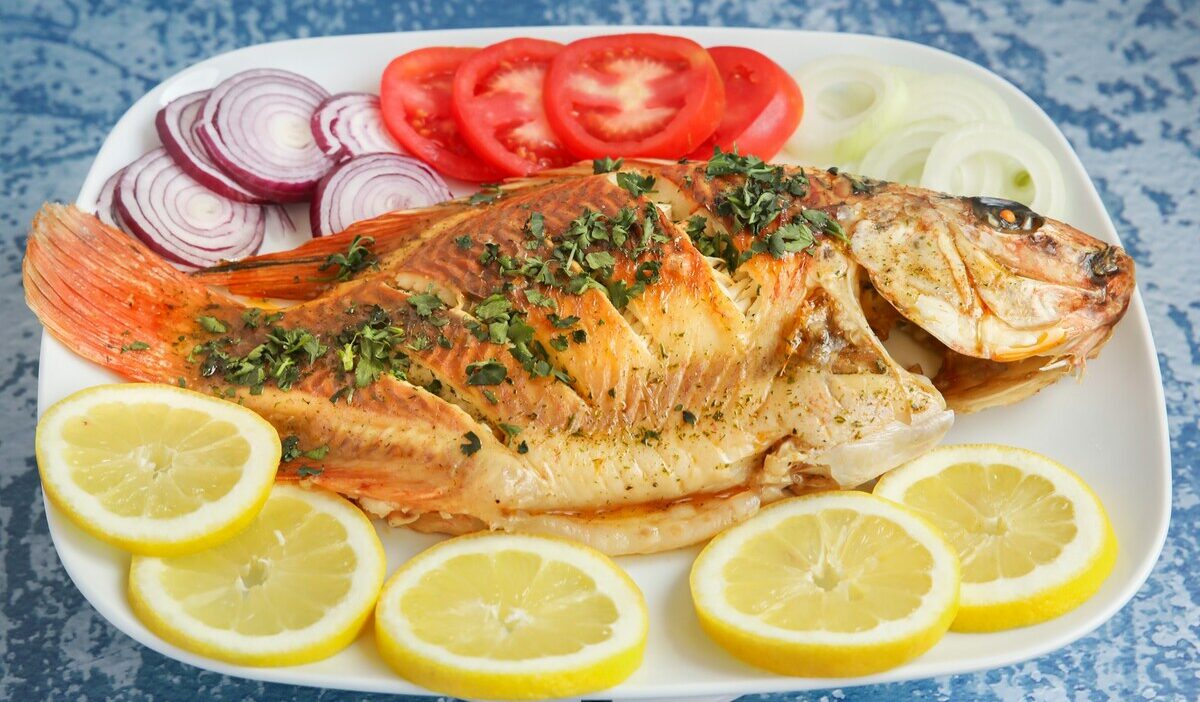
Is catfish healthy? Many people avoid catfish because they assume it is greasy, unhealthy, or one of those “fried-only” foods that automatically ruins a healthy diet.
Others order it thinking they are making a smart seafood choice, without realizing how quickly breading, frying oil, and oversized restaurant portions can turn a lean fish into a calorie-heavy meal. The confusion comes from the fact that catfish itself is actually fairly nutritious.
It is high in protein, relatively low in mercury, and naturally lighter than many people expect. The real difference comes down to preparation, portion size, and what usually comes with it on the plate.
Before you decide whether catfish deserves a place in your diet, it helps to look at how its nutrition changes from one cooking method to another.
1. Is Catfish Healthy for You? Nutrition Facts and Key Benefits
Catfish rarely gets the attention that salmon or tuna does in nutrition conversations, which means it’s frequently underestimated. Is catfish healthy enough to compete with more celebrated fish?
The short answer is yes, though the full picture depends on one variable more than any other: how it ends up on the plate.
1.1 Protein, Omega-3s, Vitamin B12, and Calories Per Serving
A 100-gram serving of cooked catfish (baked or grilled, no added ingredients) provides approximately:
- Calories: 120 to 135
- Protein: 18 to 20 grams
- Fat: 5 to 7 grams (mostly unsaturated)
- Omega-3 fatty acids: 0.2 to 0.4 grams
- Vitamin B12: 60 to 80% of the daily value
- Selenium: 25 to 35% of the daily value
- Phosphorus: 20 to 25% of the daily value
The B12 content is the standout figure here. Sixty to 80 percent of the daily value per serving makes catfish one of the more efficient dietary sources of a nutrient that many people fall short on.
Selenium and phosphorus add further micronutrient depth that doesn’t always get mentioned alongside the protein numbers.
Omega-3 content is lower than in salmon or mackerel, but catfish is also classified as a low-mercury fish by the FDA, which means frequent consumption doesn’t carry the accumulation risk associated with larger predatory fish.
That combination of safety and nutritional density makes it more useful than its reputation suggests.
1.2 Wild-Caught vs Farm-Raised Catfish: Does It Make a Difference?
Many people assume wild-caught catfish is automatically healthier than farm-raised, but the difference is smaller than most expect, especially in the United States.
U.S. farm-raised catfish, mainly produced in states like Mississippi, Alabama, and Arkansas, is regulated under strict USDA standards and is generally considered one of the cleaner and more sustainable aquaculture products available.
In practical terms, domestic farm-raised catfish remains a safe and nutritionally reliable option.
Wild-caught catfish may contain slightly more omega-3 fat in some cases, but the overall nutritional gap is relatively minor.
The bigger difference usually comes from sourcing and regulation rather than whether the fish was wild or farm-raised.
Imported catfish from some overseas suppliers may follow different feed practices and safety standards, which is why many nutrition and seafood experts recommend choosing U.S.-raised catfish whenever possible, regardless of whether it is farm-raised or wild-caught.
>>> Read more: Is Canned Tuna Healthy? A “Risk vs Benefit” Framework
1.3 How Catfish Compares to Salmon, Tilapia, and Other Popular Fish
The nutritional differences become easier to understand when catfish is compared with other seafood people commonly associate with “healthy eating.”
- Catfish: 120 to 135 cal, 18 to 20g protein, 5 to 7g fat, 0.2 to 0.4g omega-3.
- Salmon: 180 to 200 cal, 20 to 22g protein, 10 to 13g fat, 1.5 to 2.5g omega-3.
- Tilapia: 110 to 130 cal, 22 to 24g protein, 2 to 3g fat, 0.1 to 0.2g omega-3.
- Shrimp: 90 to 110 cal, 18 to 20g protein, 1g fat, minimal omega-3.
Catfish lands somewhere in the middle nutritionally. It is not as lean as tilapia or shrimp, but it also provides more omega-3 fats than either of them.
At the same time, it does not reach the omega-3 levels that make salmon especially well known for heart health. That balance is part of why catfish remains a practical option for many people.
It offers solid protein, moderate calories, and a richer flavor than very lean fish, without becoming as calorie-dense as higher-fat seafood choices.
2. The Health Difference Between Fried and Blackened Catfish
The nutritional profile above applies to catfish cooked simply. What changes that profile most dramatically isn’t the fish itself but the method used to cook it. Two preparations define opposite ends of the spectrum.
2.1 Fried Catfish and Added Fat From Breading and Oil
When people ask is fried catfish healthy, the biggest nutritional change comes from the breading and frying oil rather than the fish itself.
A 100-gram serving of deep-fried catfish contains approximately 200 to 250 calories, 12 to 18 grams of fat, and 15 to 17 grams of protein.
By comparison, baked catfish provides around 120 to 135 calories and only 5 to 7 grams of fat per serving. In other words, frying can nearly double the calories and triple the fat content.
Restaurant portions also tend to be much larger than standard serving sizes, often exceeding 200 grams. That means a single plate of fried catfish can easily reach 400 to 500 calories before adding side dishes.
The frying oil itself may also contribute additional saturated or trans fats, depending on how the food is prepared. High-temperature frying can further reduce some of the fish’s natural omega-3 content, lowering part of the nutritional benefit that catfish normally provides.
2.2 Blackened Catfish as a Lighter Cooking Option
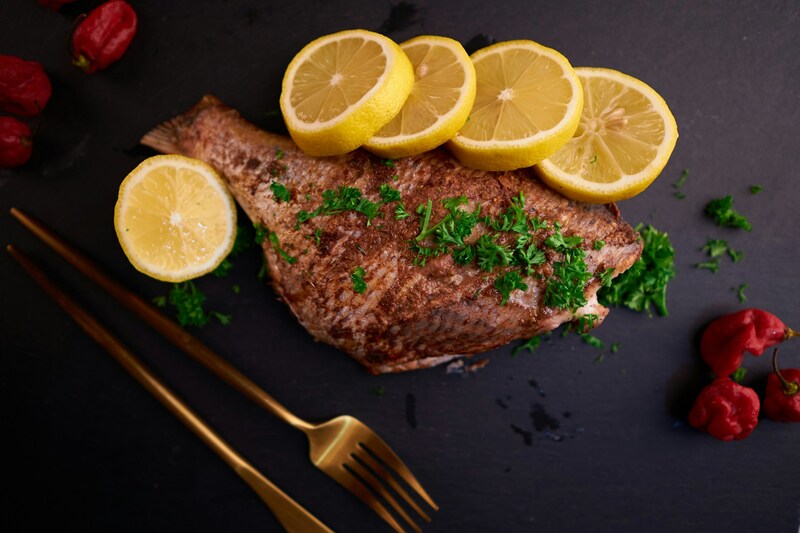
For people wondering is blackened catfish healthy, it is generally considered one of the better ways to prepare catfish without losing flavor.
A 100-gram serving of blackened catfish contains approximately 140 to 160 calories, 6 to 9 grams of fat, and 18 to 20 grams of protein.
Most of the added fat comes from the small amount of butter or oil used during cooking, while the protein content remains similar to baked catfish.
The blackened seasoning itself, usually made with spices like paprika, cayenne, garlic powder, and pepper, adds strong flavor with very little caloric impact.
These spices also contain antioxidant compounds, giving blackened catfish a nutritional advantage over heavily breaded or deep-fried versions.
Overall, blackened catfish keeps much of the fish’s original nutritional value while avoiding the large increase in calories and fat that comes with frying.
>>> Read more: Is Egg Drop Soup Healthy? What the Nutrition Facts Really Show
2.3 Can Catfish Fit Into a Weight Loss Diet?
Is catfish healthy for weight loss? In many cases, yes. Catfish is naturally high in protein while remaining relatively moderate in calories, especially when it is baked, grilled, blackened, or lightly pan-seared instead of deep-fried.
A 100-gram serving typically provides around 120 to 160 calories and 18 to 20 grams of protein, a combination that can help with fullness while supporting muscle maintenance during weight loss.
A standard catfish fillet of about 170 grams contains roughly 200 to 270 calories and 30 to 34 grams of protein when prepared without heavy breading or frying oil.
Combined with vegetables or a salad, it can become a filling, balanced meal that stays within the calorie range of many weight loss diets without feeling too small or unsatisfying.
3. FAQs
Can I Eat Catfish Regularly Even If I Have Heart Disease?
Yes, when prepared without deep frying. Baked, grilled, or blackened catfish is a lean protein with unsaturated fat and some omega-3s. The American Heart Association recommends two servings of fish per week for heart health.
How Often Should You Eat Catfish on a Healthy Diet?
Two to three times per week is appropriate for most healthy adults. Catfish is a low-mercury fish, so frequent consumption does not pose the mercury accumulation concern associated with tuna or swordfish.
Is Catfish Healthy Compared to Shrimp or Tilapia?
All three are lean, low-mercury seafood options worth including in a healthy diet. Tilapia has the lowest calories and fat per serving but also the lowest omega-3 content. Shrimp is similar to tilapia in leanness with the highest protein per calorie of the three, though it contains more dietary cholesterol.
4. Conclusion
Is catfish healthy? The fish itself can be part of a healthy diet. It provides high-quality protein, important nutrients like vitamin B12 and selenium, and beneficial fats without the high mercury concerns linked to some larger fish.
What changes the story is usually the cooking method, not the catfish itself. Baked, grilled, or blackened catfish keeps the meal relatively lean, filling, and balanced, while deep frying shifts it into something much heavier in calories and fat.
In the end, catfish is a good reminder that healthy eating is often less about avoiding certain foods entirely and more about how those foods are prepared and enjoyed over time.