
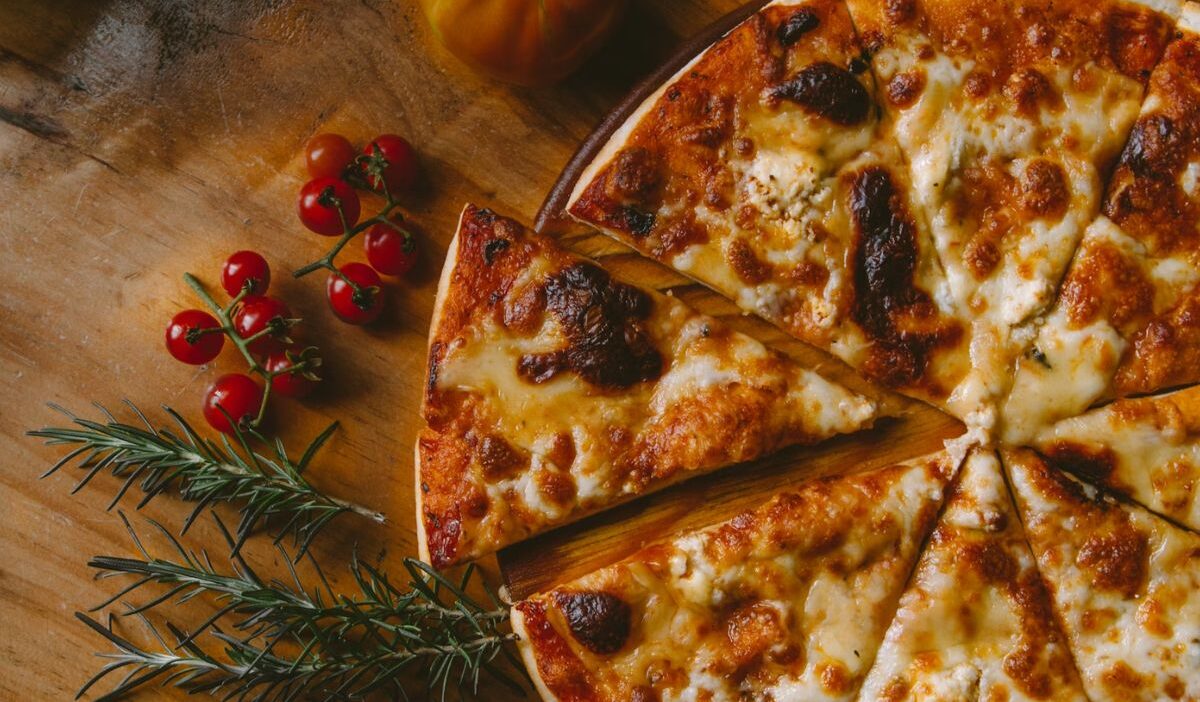
Is pizza healthy? A lot of people feel guilty eating pizza because it is often associated with greasy takeout, late-night cravings, and meals that leave you overly full afterward.
The confusion usually comes from the fact that one or two slices of a thinner-crust pizza with balanced toppings can behave very differently from a large fast-food style pizza loaded with extra cheese and processed meats.
The ingredients matter more than the name “pizza” itself. Crust thickness, cheese quantity, protein choices, vegetables, sauces, and portion size can completely change how heavy or balanced the meal becomes.
Let’s break down where pizza fits into balanced eating and weight management.
1. Is Pizza Healthy for People Managing Weight?
Yes, pizza can sometimes fit into weight management goals. Part of the answer to is pizza healthy comes from frequency, portion size, and meal composition rather than pizza alone.
Eating two slices with vegetables and protein creates a different nutrition pattern from regularly consuming large pizzas with sugary drinks and processed sides. Weight management usually responds to repeated habits.
Pizza may fit more easily into balanced eating when meals include:
- Moderate portions
- Lean protein toppings
- Vegetable additions
- Thinner crust choices
- Fewer calorie-dense extras
The broader eating pattern still matters more than one food.
2. Why Do Some Pizzas Become High in Calories and Sodium?
Part of the reason people ask is pizza healthy comes from how quickly calories increase. Several factors drive that change.
- Large amounts of cheese
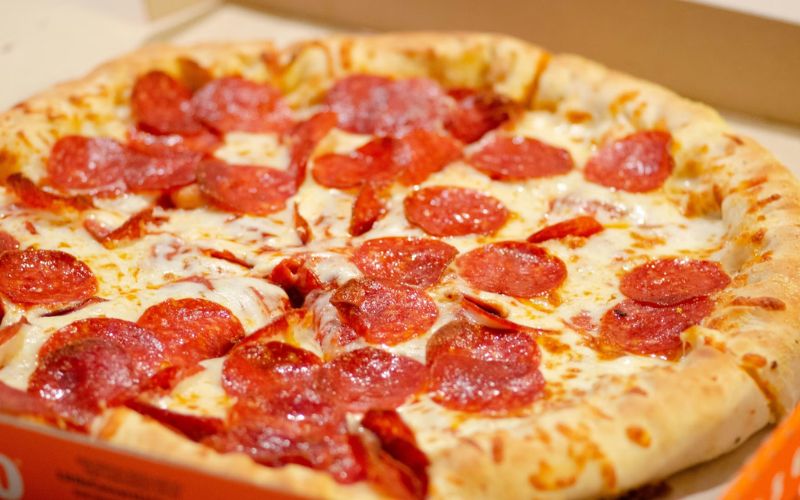
Extra cheese often increases: calories, saturated fat, and sodium. Because cheese is calorie-dense, even small additional portions across several slices may raise total intake more than expected. What begins as “extra cheese” on one slice can become a much larger increase across an entire meal.
- Processed meats
Pepperoni, sausage, bacon, and other processed toppings often increase sodium and fat density. These ingredients may also make pizza feel more filling in the short term, though repeated high-sodium meals can shift the overall nutrition balance over time.
- Thick crusts and stuffed-crust options
Part of the reason people ask is pizza healthy comes from crust choices. Larger crust portions raise carbohydrates and calories before toppings are added, while stuffed-crust versions may increase intake further because extra cheese and fats become part of the crust itself.
- Sauces and dips
Creamy dips, garlic sauces, ranch, and sugary sauces may significantly increase calorie intake without adding much fullness. Many people focus only on pizza toppings while overlooking what is added on the side.
>>> Read more: Is Cream Cheese Healthy? 4+ Powerful Facts You Should Know
3. Comparing Popular Pizza Styles and Crust Options
Part of the answer to is pizza healthy becomes clearer when comparing styles rather than treating all pizza equally.
Margherita Pizza
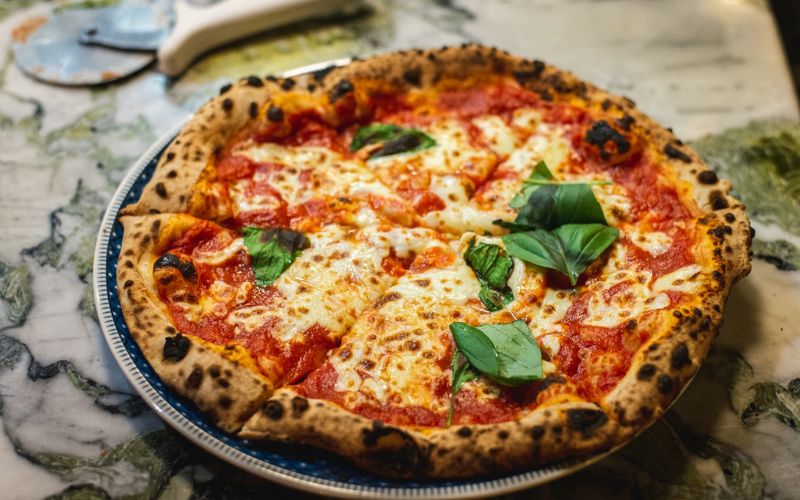
Margherita pizza is often considered one of the simpler and lighter pizza styles because it focuses on a small number of traditional ingredients rather than heavy toppings. A classic Margherita pizza usually includes:
- Tomato sauce
- Mozzarella
- Basil
- Simpler toppings with fewer processed ingredients
That simplicity is a big reason people ask is margherita pizza healthy compared to other pizza varieties.
Since it uses fewer processed ingredients, Margherita pizza may contain less sodium, saturated fat, and overall calories than pizzas loaded with pepperoni, sausage, bacon, or multiple cheese blends.
The balance between sauce, cheese, and crust also tends to feel less heavy while still delivering the flavor people expect from pizza.
Cauliflower Pizza
Cauliflower pizza became popular because many people wanted a version of pizza that felt lighter and more compatible with lower-carb, gluten-free, or weight-conscious eating habits.
The appeal is not only the cauliflower itself, but the overall idea of turning pizza into something that feels less heavy than traditional fast-food pizza.
That is part of why people keep asking is cauliflower pizza healthy. In some cases, it can be a more balanced option, especially when the pizza uses moderate cheese, vegetable toppings, and a less processed ingredient list overall.
But the healthier reputation can also be misleading. Some cauliflower pizzas still contain large amounts of cheese, oils, processed meats, and high-calorie toppings, which means the overall pizza may end up nutritionally similar to regular pizza despite the cauliflower branding.
Cauliflower Crust vs Traditional Brust
The discussion around whether is cauliflower crust pizza healthy is slightly different from talking about cauliflower pizza overall. Here, the focus is specifically on the crust itself rather than the entire pizza and its toppings.
Compared to a traditional wheat crust, cauliflower crust may provide slightly fewer carbohydrates, a different texture, and sometimes a bit more fiber or vegetable content, depending on the recipe. That is why many people choose it when trying to reduce refined flour or make pizza feel a little lighter nutritionally.
At the same time, the difference is not always dramatic. Many cauliflower crust products still rely on starches, oils, cheese, or refined flours to improve structure and texture, so some versions end up nutritionally closer to traditional crust than people expect.
4. How to Enjoy Pizza Without Eating Excess Calories
Part of the answer to is pizza healthy comes from eating habits rather than strict restrictions. Small adjustments often change the nutrition profile more than avoiding pizza completely.
Pair pizza with vegetables
Adding salads or vegetables may increase meal volume and fullness without dramatically increasing calories. For example, eating pizza alongside a side salad creates a different experience from relying only on multiple slices.
Focus on portion awareness
Stopping at moderate portions creates a different eating pattern than finishing an entire large pizza automatically. Portion awareness matters because calories often increase gradually across additional slices rather than from one serving alone.
Choose protein and vegetable toppings more often
Part of the answer to is pizza healthy often comes from topping choices. Chicken, mushrooms, spinach, peppers, and other vegetables may create lighter combinations while supporting fullness better than multiple processed meats and extra cheese.
- The goal is not to remove flavor.
- The goal is to improve balance.
Avoid drinking calories alongside pizza
Sugary drinks paired with pizza may increase total calorie intake quickly without adding much fullness. Soda, sweet tea, or milkshakes can change the nutrition profile of the meal more than people expect.
>>> Read more: Is Rotisserie Chicken Healthy? Proven Facts Before You Buy
5. FAQs
Can you eat pizza and still lose weight?
Yes. Weight loss usually depends more on total calorie intake, eating patterns, and consistency than avoiding pizza completely. Occasional pizza can fit into weight-loss goals when portions stay moderate, and meals remain balanced overall.
What is the healthiest way to eat pizza without overeating?
Part of the answer comes from eating habits. Moderate portions, vegetable toppings, protein, and balanced sides often create more satisfying meals, while salads, thinner crusts, and slower eating may help improve portion awareness.
Is pizza bad for belly fat or overall weight gain?
No. No single food automatically causes belly fat or weight gain. Repeated excess calorie intake over time matters more than occasional pizza consumption. Pizza may contribute to weight gain if large portions become frequent, though the broader eating pattern still plays a larger role.
Conclusion
The question is pizza healthy rarely has one universal answer. Pizza can look very different nutritionally depending on crust choice, toppings, portion size, and how often it appears in your routine.
A few slices within balanced eating habits create a different long-term pattern than frequent high-calorie combinations. In many cases, the overall eating pattern matters far more than pizza itself.