

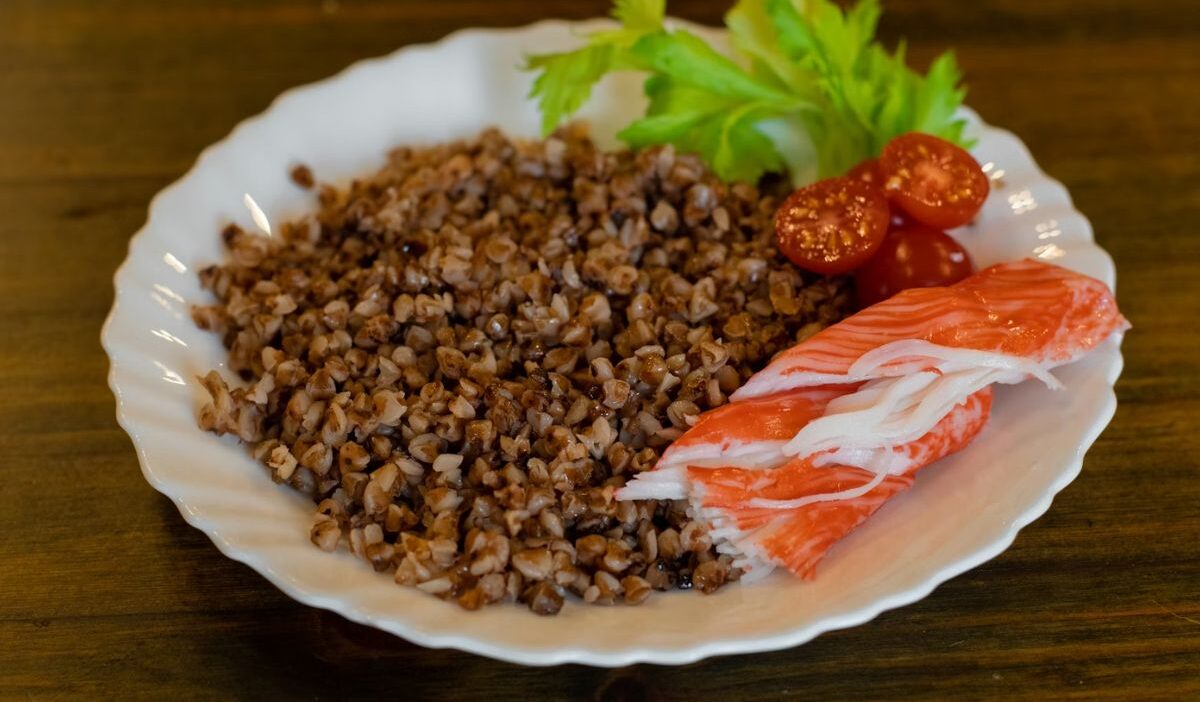
A sushi roll, seafood salad, or quick snack often includes imitation crab without much thought. The texture feels similar to seafood, the flavor is mild, and many people assume it behaves like regular crab nutritionally.
The explanation becomes less straightforward when asking is imitation crab healthy, since imitation crab sits somewhere between seafood products and highly processed foods.
Let’s break down what imitation crab really is, where the benefits exist, and when caution matters more.
1. What Imitation Crab Actually Is And Is It Healthy?
Part of the answer to is imitation crab healthy starts with understanding what imitation crab actually contains. Unlike real crab, imitation crab is usually made from processed white fish paste called surimi, combined with starches, flavorings, salt, sugar, and additives designed to mimic crab texture.
What imitation crab is made from
Common ingredients often include:
- White fish (usually pollock)
- Starches
- Salt
- Sugar
- Flavor enhancers
- Coloring agents
Part of the reason people ask is imitation crab healthy comes from the fact that it creates a seafood-like product at a lower cost than real crab while using processed ingredients.
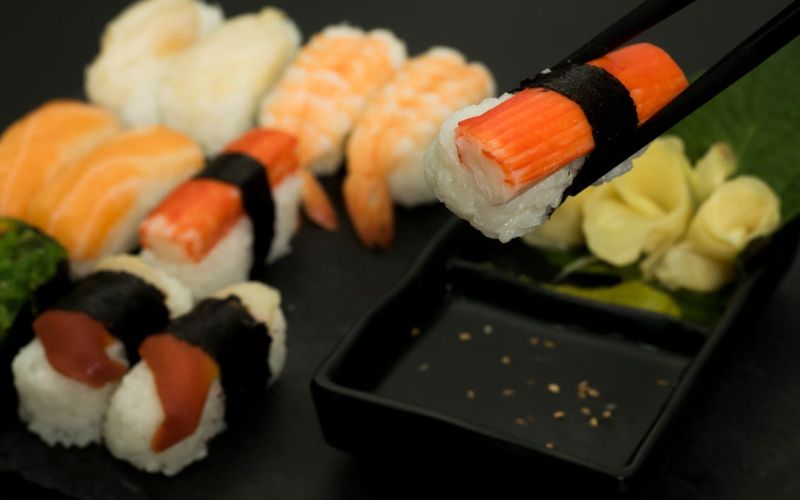
Nutritional benefits and drawbacks
People ask is imitation crab meat healthy, which comes from its mixed nutrition profile.
Potential benefits:
- Moderate protein content
- Lower cost than real crab
- Convenient and ready to eat
- Usually lower in fat than some processed meats
Potential drawbacks:
- Higher sodium in certain brands
- Added sugars or starches
- More processing compared with whole seafood
- Lower protein than real crab in some cases
That combination means imitation crab rarely fits neatly into “healthy” or “unhealthy.”
Someone eating small portions occasionally creates a different pattern from relying on processed seafood products frequently. The answer to is imitation crab healthy for you often depends on frequency rather than one serving alone.
2. Which Is Healthier: Imitation or Real Crab?
Real crab and imitation crab behave differently nutritionally.
Real crab often provides:
- Higher protein
- Fewer added ingredients
- Naturally occurring nutrients
- Less processing
Imitation crab may provide:
- Lower cost
- Easier access
- Longer shelf stability
So, how healthy is imitation crab compared with real crab? In most cases, real crab offers stronger nutritional quality because it contains fewer additives and more concentrated protein.
Still, imitation crab can occasionally fit balanced eating habits when portions remain moderate.
>>> Read more: Is Basmati Rice Healthy? A Practical Guide Must Know 2026
3. Is Imitation Crab Salad Healthy?
Yes and no. The answer to is imitation crab salad healthy depends heavily on preparation.
For example:
Scenario 1:
- Imitation crab
- Vegetables
- Light dressing
- Greens
This creates a different nutrition profile, which helps explain why the answer to is imitation crab healthy often depends on the full meal rather than imitation crab alone.
Scenario 2:
- Imitation crab
- Large amounts of mayonnaise
- Sugary sauces
- Refined crackers
Calories and sodium increase quickly. The surrounding ingredients often influence the final meal more than imitation crab alone. That pattern appears repeatedly when evaluating processed foods.
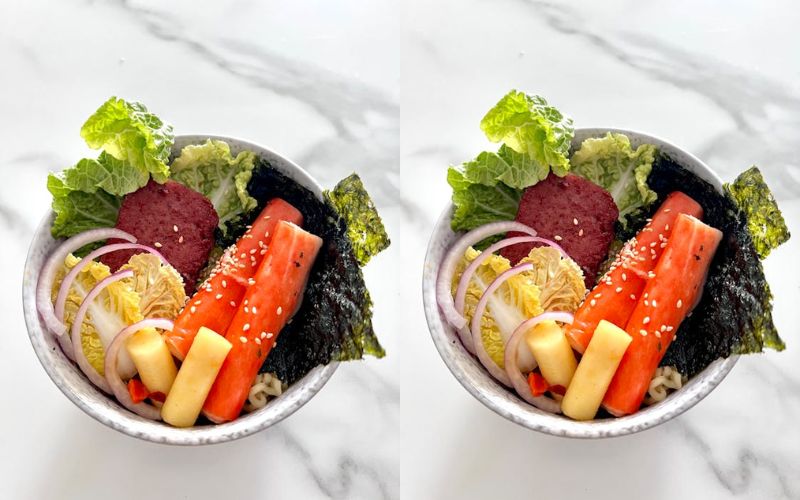
4. Who Should Be More Careful to Eat Imitation Crab
Whether imitation crab is healthy changes depending on individual health needs, eating patterns, and ingredient sensitivity. Some people may benefit from paying closer attention to portions, labels, and frequency.
People monitoring sodium intake
Certain imitation crab products contain notable sodium levels because salt is often used to improve flavor and preservation. Repeated intake alongside instant noodles, processed snacks, sauces, or packaged foods may increase total sodium quickly across the day.
People sensitive to food additives
Some products contain preservatives, flavor enhancers, or coloring agents, which is why comparing labels may matter for people trying to limit processed foods.
People managing blood sugar closely
Added starches and sugars may matter more for individuals monitoring carbohydrate intake carefully.
While imitation crab is not typically considered a high-carbohydrate food, repeated intake alongside refined carbohydrates may create a different nutrition profile than eating it with vegetables or protein-rich meals.
People with seafood allergies
Even though imitation crab is processed, it often still contains fish ingredients like pollock, so “imitation” does not automatically mean seafood-free.
People are trying to prioritize whole foods more often
Those focusing on minimally processed foods may choose real seafood more frequently because it usually contains fewer additives and more concentrated protein.
That does not automatically make imitation crab unsuitable, though frequency and overall eating patterns still shape the bigger picture.
>>> Read more: Is Pho Healthy? 5 Hidden Truths You Need to Know
5. FAQs
Is imitation crab healthy for you in moderation?
Yes. For many people, imitation crab may fit balanced eating habits when portions stay moderate, and meals include less processed foods overall.
Can you eat imitation crab regularly?
Yes and no. Regular intake becomes more concerning when sodium, additives, and heavily processed eating patterns increase over time.
Eating imitation crab occasionally within a varied diet creates a different pattern than relying on it as a major protein source every week.
Does imitation crab contain a lot of sodium or sugar?
Yes, in some products. Sodium levels and added sugars vary between brands because ingredients are often used to improve flavor and texture. Two imitation crab products may appear similar while containing noticeably different sodium or carbohydrate levels.
Can imitation crab fit into a weight loss diet?
Yes. Weight loss depends more on total calories, meal structure, and eating frequency than on avoiding imitation crab completely.
Conclusion
The question is imitation crab healthy does not have one simple answer because nutrition changes with portion size, ingredients, and how often it appears in meals.
Moderate amounts may fit balanced eating habits, while frequent intake alongside highly processed foods creates a different pattern. The bigger takeaway is that overall eating habits usually matter more than one seafood substitute alone.