
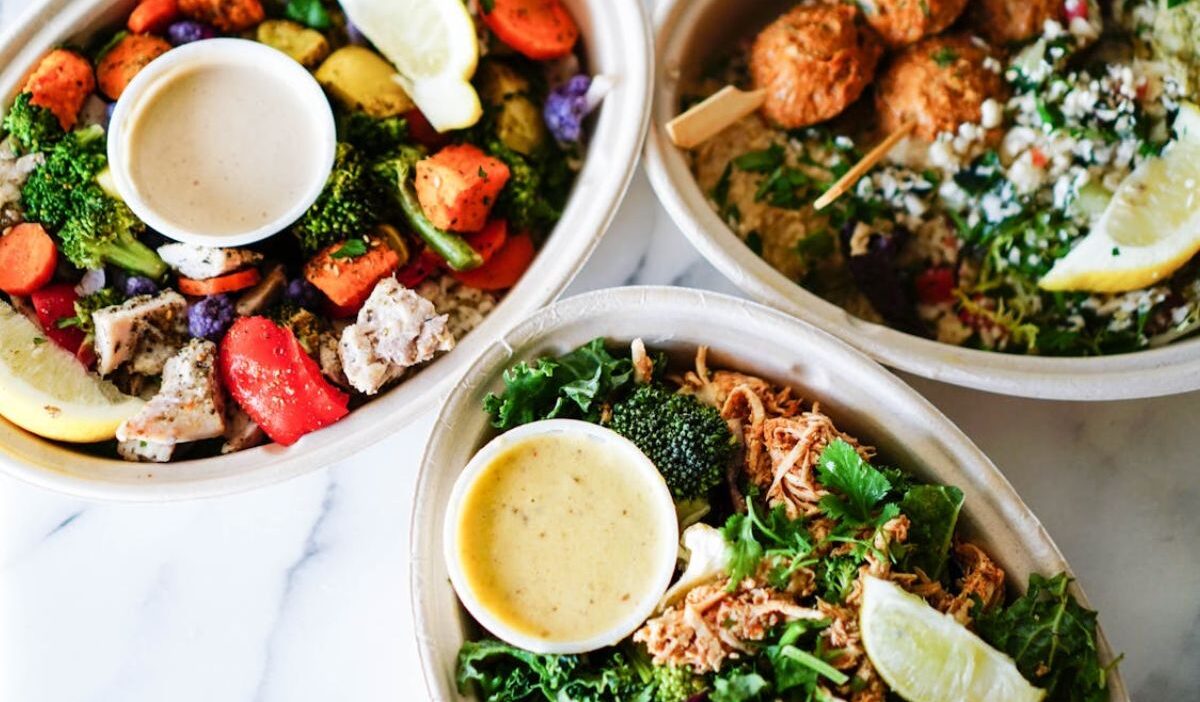
Is Cava healthy becomes a real problematic question after standing in front of the menu and realizing almost every ingredient sounds nutritious. Greens, grains, hummus, falafel, grilled proteins, Mediterranean toppings, and sauces with unfamiliar names.
This guide breaks down how Cava meals are structured, where benefits exist, which ingredients increase calories quickly, and whether Cava fits weight management goals.
1. Understanding How Cava Meals are Built
Part of understanding the healthiness of Cava starts with recognizing how customizable meals become. Most Cava bowls include combinations of:
- Bases (greens, rice, grains)
- Proteins
- Dips and spreads
- Vegetables
- Toppings
- Dressings and sauces
Because meals are highly customizable, two bowls ordered from the same restaurant may differ substantially in calories, protein, fiber, and sodium.
For example:
Bowl A:
- Greens base
- Grilled chicken
- Vegetables
- Moderate dressing
Bowl B:
- Rice base
- Multiple dips
- Extra toppings
- Heavy sauces
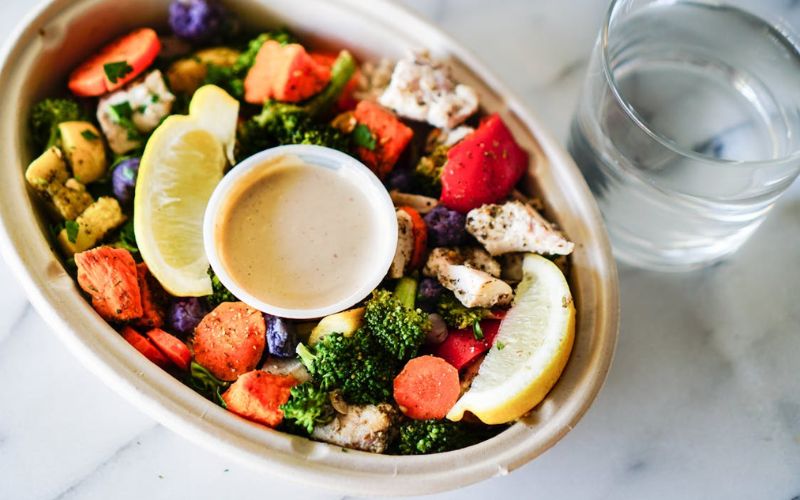
Both come from Cava. The nutrition profile changes considerably. That’s why the answer to is Cava healthy or not depends more on the ingredients combined together rather than the restaurant name alone.
2. Is Cava Healthy? A Full Overview
It depends on what goes into the bowl, how often it appears in eating habits, and whether portions remain balanced.
Meals centered around vegetables, protein, and moderate sauces often create a different nutritional profile than bowls loaded with calorie-dense additions.
That distinction explains why Cava may feel healthier than many fast-food options while still requiring thoughtful choices.
Why Cava is often considered healthier than fast food
Yes, often. Cava receives a more favorable reaction than traditional fast food comes from ingredient variety and meal customization.
Cava bowls frequently include:
- Vegetables
- Greens and grains
- Lean protein options
- Legumes and fiber-rich foods
- Mediterranean-inspired ingredients
These combinations may provide more protein and fiber compared with many fast-food meals built around fried foods and refined carbohydrates. Protein and fiber together often help meals feel more filling, which may support appetite control between meals.
Nutrition concerns to keep in mind
A healthier image does not automatically guarantee balanced nutrition. Part of understanding is cava actually healthy means recognizing where calories and sodium increase unexpectedly. Some bowls may become higher in:
- Calories
- Sodium
- Saturated fat
- Added sauces and dressings
Small additions matter. Extra dips, multiple sauces, and larger portions may increase total calories substantially without improving fullness at the same rate.
>>> Read more: Is Peanut Oil Healthy? A Clear Guide to Benefits and Risks
3. Building a Healthier Cava Bowl
Small ingredient adjustments may change nutrition considerably.
Choosing The Right Base
Bases influence carbohydrates, fiber, and calorie totals. Options built around greens often create lighter meals compared with larger grain portions. That does not automatically make grains unhealthy.
Rice or grains combined with protein and vegetables may support more balanced meals depending on activity levels and preferences. Balance matters more than eliminating carbohydrates.
Picking Protein with Balance in Mind
Protein influences fullness and meal satisfaction. Leaner proteins often provide:
- Higher protein relative to calories
- Greater flexibility for calorie management
- Better balance with sauces and toppings
Meals combining protein, vegetables, moderate carbohydrates, and fiber frequently behave differently from bowls centered mostly around calorie-dense additions.
That balance partly explains why is Cava healthy depends on overall composition rather than one ingredient.
Toppings and Sauces That Add Extra Calories
Some of the largest calorie increases come from additions rather than the base meal itself. Examples include:
- Multiple dressings
- Extra dips
- Heavy sauces
- Larger portions of calorie-dense toppings
Small additions repeated regularly may influence calorie intake more than expected. This distinction matters when evaluating is Cava healthy, because sauces often change the nutritional profile faster than proteins or vegetables.
4. Can Cava Fit Into a Weight Loss Diet?
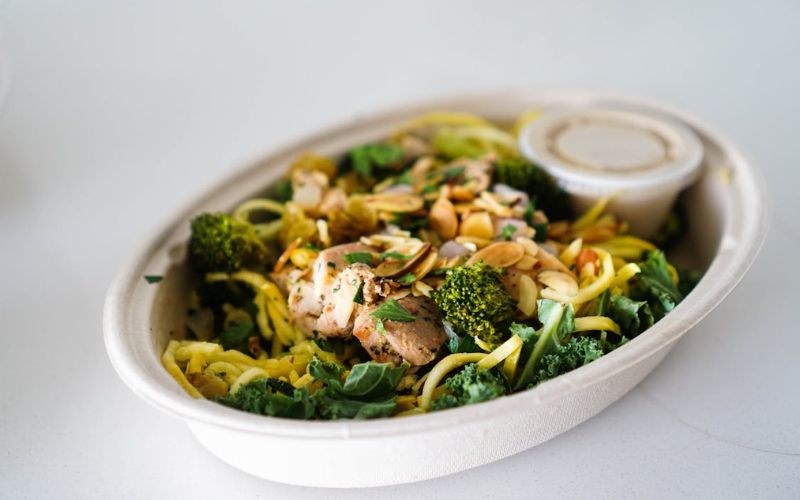
Yes, often. The answer to is Cava healthy for weight loss depends more on bowl construction than avoiding Cava completely.
- Higher-protein, lower-calorie bowl strategies
Choosing lean protein alongside vegetables and moderate carbohydrate portions may help improve fullness without increasing calories excessively. Protein often helps meals feel more satisfying, which may support appetite control between meals.
- Portion control and sauces choices
Portion size changes nutrition quickly, even with nutrient-dense ingredients. Sauces and dressings may add substantial calories, which means moderate amounts often create more balanced bowls than multiple extra additions.
- Mediterranean diet and weight management
Mediterranean-style eating patterns often emphasize vegetables, legumes, protein, and variety. Cava may align with some of these principles depending on ingredient choices, which partly explains why Cava is healthier for weight loss and receives a more favorable answer than many fast-food alternatives.
>>> Read more: Is Canned Tuna Healthy? A “Risk vs Benefit” Framework
5. Is Cava Restaurant Healthy Compared to Other Fast Food?
Yes. The answer to whether the Cava restaurant is healthy tends to be more favorable than many traditional fast-food chains because meals frequently include more vegetables, customizable protein choices, and Mediterranean-style ingredients.
| Factor | Cava | Traditional Fast Food |
| Vegetable options | Often higher | Usually more limited |
| Protein choices | Multiple lean and plant-based options | Frequently fried or processed |
| Customization | High flexibility | More fixed combinations |
| Fiber potential | Higher with vegetables, legumes, grains | Often lower |
| Calorie range | Moderate to high depending on bowl | Moderate to high, depending on the meal |
| Sodium levels | Moderate to high, depending on meal | Often elevated |
| Sauce impact | May increase calories quickly | May increase calories quickly |
6. FAQs
Is Cava healthy for everyday eating?
Yes and no. Cava may fit everyday eating habits for some people when meals remain balanced, and portions stay moderate. Repeated oversized bowls with heavy sauces create different nutritional patterns over time.
Can Cava support weight loss goals?
Possible. Cava healthy for weight loss becomes more favorable when bowls emphasize protein, vegetables, fiber, and moderate calorie intake.
Which Cava protein is lowest in calories?
Lower-calorie protein choices generally tend to include leaner options, though exact nutrition varies by serving size and preparation.
Conclusion
The answer to is Cava healthy becomes clearer when focusing less on labels like “healthy restaurant” and more on what actually ends up inside the bowl.
Fresh ingredients, vegetables, protein, and customization may support balanced meals. At the same time, sauces, portions, and calorie-dense additions change nutrition quickly.