

Is ground turkey healthy sounds like a simple question until grocery shelves show multiple versions: 99% lean, 93/7, darker meat blends, and labels suggesting healthier choices.
Ground turkey often gets treated as the automatic replacement for beef, especially in meal prep, weight loss diets, or heart-conscious eating.
This guide explains how fat content changes nutrition, and how ground turkey may support weight management goals.
1. Is Ground Turkey Healthy in Everyday Meals?
Yes, often. The answer to is ground turkey healthy becomes more favorable when meals include moderate portions, vegetables, fiber, and balanced preparation methods.
Ground turkey generally provides:
- Protein
- Vitamin B12
- Selenium
- Zinc
- Different fat levels depending on the product
Protein may help support fullness between meals, while nutrient content contributes to various body functions. Eating lean ground turkey within varied dietary patterns differs from relying heavily on processed meals or larger portions repeatedly.
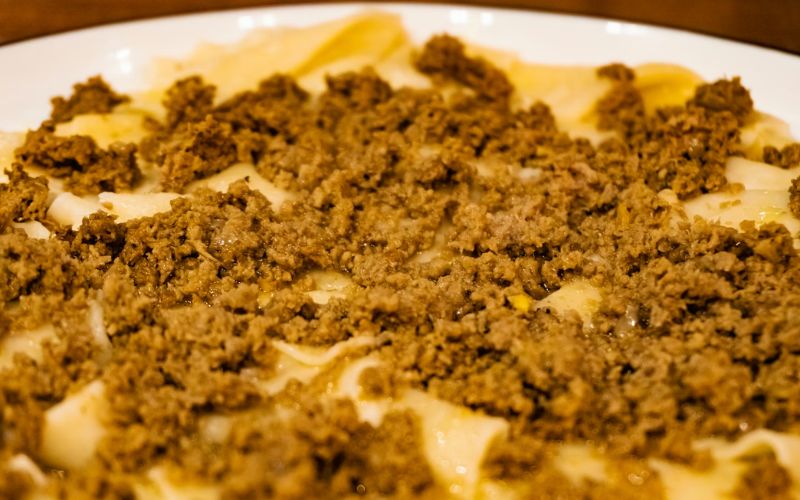
2. Fat content is the Hidden Variable Most People Miss
Many people assume all ground turkey is naturally lean. The reality looks different, which partly explains why is ground turkey healthy often depends on fat percentage more than expected. Ground turkey labels often include percentages such as:
- 99% lean
- 93/7
- 85/15
Those numbers represent lean meat versus fat content. Small differences on packaging may create noticeable differences in calories and saturated fat.
For example, A serving of 99% lean ground turkey behaves differently from higher-fat blends even if portions appear similar. That distinction matters because fat changes calorie density quickly.
>>> Read more: Is Spam Healthy? A Practical Guide to What It Really Means
3. Is Ground Turkey for Weight Loss and Heart Healthy
Yes. The answer to is ground turkey healthy for weight loss becomes more favorable when lean versions replace higher-calorie proteins within balanced meals. Protein may help meals feel more satisfying, potentially supporting appetite control.
Meals combining:
- Lean ground turkey
- Vegetables
- Fiber-rich foods
- Moderate carbohydrates
This often creates different outcomes than calorie-dense combinations. However, preparation matters. Heavy sauces, frying methods, or oversized portions may increase calories quickly.
Weight Loss Considerations
Yes. The answer to is ground turkey heart healthy often depends on choosing leaner products and balancing overall eating patterns. Lower saturated fat intake may matter for some people managing heart health concerns.
Meals emphasizing:
- Lean protein
- Vegetables
- Whole grains
- Moderate sodium
This often aligns more closely with heart-conscious eating habits. Still, no single protein automatically determines heart health outcomes. That nuance explains why is ground turkey healthy rarely has a simple yes or no answer.

Heart-Healthy Meal Planning
Comparisons become more useful than labels alone, which is one reason ground turkey nutrition value often depends on fat percentage and preparation rather than the meat itself.
| Protein | Potential Advantages | Considerations |
| Lean ground turkey | Lower saturated fat in some products | Fat levels vary |
| Ground beef | Iron and B12 content | Higher fat in certain versions |
| Chicken | Lean protein | Preparation changes nutrition |
| Pork | Different nutrient profile | Fat content varies |
The answer to is turkey ground beef healthy often appears when people compare turkey and beef directly. Lean ground turkey may provide fewer calories or less saturated fat in some cases, though higher-fat turkey blends can overlap nutritionally with certain beef products.
4. Lean Turkey to vs Other Meats
Comparing ground turkey with other protein sources often provides a clearer answer than asking whether one meat is automatically healthier, especially if you are also wondering is lean ground turkey healthy.
| Protein Source | Protein Content | Fat & Calories | Potential Advantages | Considerations |
| Lean ground turkey (93/7 or 99% lean) | High | Lower in some versions | Higher protein relative to calories, lower saturated fat | Can become dry; fat levels vary by product |
| Ground beef (80/20 or 90/10) | High | Varies widely by fat percentage | Rich in iron and vitamin B12 | Higher-fat versions increase calories quickly |
| Chicken breast | Very high | Generally low | Lean protein with fewer calories | Less versatile in certain recipes |
| Ground chicken | Moderate to high | Depends on dark vs white meat | Flexible replacement in meals | Nutrition varies by blend |
| Pork | Moderate to high | Variable | Different flavor profile and nutrients | Some cuts contain more saturated fat |
| Plant-based protein alternatives | Variable | Varies by processing | May add fiber | Protein quality and sodium differ |
The answer to is ground turkey healthy often becomes more favorable when comparing lean ground turkey to higher-fat ground beef, since lean turkey may provide fewer calories and less saturated fat.
>>> Read more: Is Canned Tuna Healthy? A “Risk vs Benefit” Framework
5. FAQs
What ground turkey percentage is healthiest?
Leaner versions such as 99% lean or 93/7 often provide higher protein relative to calories and lower saturated fat. The better choice depends on goals, cooking preferences, and meal balance.
Does ground turkey help reduce fat?
Not automatically. Ground turkey may support lower calorie intake when replacing higher-fat proteins, though preparation methods and portions still matter.
Is ground turkey high in cholesterol or sodium?
Yes and no, it depends on the product. Plain ground turkey generally differs from seasoned or processed versions, which may contain additional sodium. Reading labels remains important.
Conclusion
Is ground turkey healthy rarely depends on choosing turkey over other meats alone. Fat percentage, portions, cooking methods, and what surrounds the meal often influence nutrition more than the label on the package.
Lean ground turkey may fit more easily into balanced eating habits because of its protein content and lower fat in some versions. Still, healthier outcomes usually come from repeated meal patterns rather than one ingredient choice.