
If you enjoy Italian cuisine, you might wonder: is chickpea pasta healthy? Boxes often advertise extra protein and fiber, which can be appealing for people looking to lose weight, build muscle, or manage blood sugar.
Because chickpea pasta contains more protein and fiber than traditional wheat pasta, it can support these goals while fitting into a balanced diet.
In this guide, we break down what chickpea pasta really provides and explain when it may be a good choice for weight management, muscle growth, or overall healthy eating.
1. Is Chickpea Pasta Actually Healthy?
Yes. The answer to is chickpea pasta healthy actually becomes more favorable because chickpea pasta generally provides more protein and fiber than traditional refined pasta.
Higher protein and fiber content
One reason how healthy is chickpea pasta receives favorable attention comes from its protein and fiber levels. Compared with many traditional pastas, chickpea pasta often provides:
- Higher protein
- More fiber
- Greater fullness potential
Protein may support muscle maintenance, while fiber often slows digestion and contributes to satiety. That combination partly explains why is chickpea pasta healthy may receive a more favorable answer for people prioritizing fullness.
Carbohydrates, calories, and portion size
Chickpea pasta still contains carbohydrates and calories. That does not make it unhealthy. Moderate servings create different outcomes than oversized portions, even when foods contain more protein.
Processed ingredients and nutrition concerns
Some chickpea pasta products contain additional ingredients beyond chickpeas alone. Processing level, sodium, and added ingredients vary by brand. This partly explains why chickpea pasta is it healthy rarely has one fixed answer.
2. Chickpea Pasta vs Regular Pasta
The difference between chickpea pasta and traditional pasta generally involves protein, fiber, and fullness rather than one becoming universally healthy.
Protein and fiber differences
Chickpea pasta frequently contains more protein and fiber than refined pasta. That combination may improve fullness and support balanced meals differently, which is also why it receives more favorable attention among fitness-focused eaters.
Blood sugar and glycemic impact
Higher fiber sometimes changes digestion speed and blood sugar response. However, the complete meal still matters. Protein, vegetables, and sauces influence outcomes too.
Taste, texture, and fullness
Chickpea pasta often tastes different from regular pasta. Some people prefer the denser texture because meals feel more filling. That fullness partly shapes conversations around is chickpea pasta healthy.
>>> Read more: Is Pesto Healthy? Is It Really as Nutritious as You Think?
3. Can Chickpea Pasta Fit Into Weight Loss or Fitness Goals?
Yes, potentially. Chickpea pasta is actually healthy for weight loss or fitness, but it often depends on how meals are built rather than avoiding carbohydrates entirely.
- Satiety and higher-protein meals
One reason chickpea pasta receives attention is its higher protein and fiber content, which may help meals feel more satisfying. Greater fullness sometimes influences hunger levels later in the day, potentially making it easier to manage overall calorie intake.
- Portion control still matters
Higher protein does not automatically mean unlimited portions. Chickpea pasta contains calories and carbohydrates, so larger portions may increase intake quickly.
- Pairing chickpea pasta with balanced ingredients
The complete meal often matters more than pasta alone. Pairing chickpea pasta with vegetables, lean protein, and moderate sauces may improve balance by increasing nutrient variety while supporting fullness differently from carbohydrate-heavy meals.
4. Is Chickpea Pasta Healthy for Diabetics?
Yes. The answer is chickpea pasta healthy for diabetics may become more favorable because fiber and protein may influence blood sugar differently from refined pasta.
- Fiber and blood sugar response
Fiber may slow digestion, which sometimes changes how quickly blood sugar rises after meals. Because chickpea pasta often contains more fiber than refined pasta, some people may experience steadier energy levels or improved fullness.
- Comparing chickpea pasta to refined pasta
Compared with refined pasta, chickpea pasta often provides more protein and fiber, which may influence fullness and blood sugar response differently. However, higher protein does not automatically make one option universally healthier.
- Why total meal composition matters
Chickpea pasta paired with vegetables, lean protein, and moderate portions may create a different outcome than meals high in heavy sauces or added calories.
5. Healthier Ways to Eat Chickpea Pasta
Small adjustments often improve meal balance without changing the pasta itself.
- Pairing with vegetables and lean protein
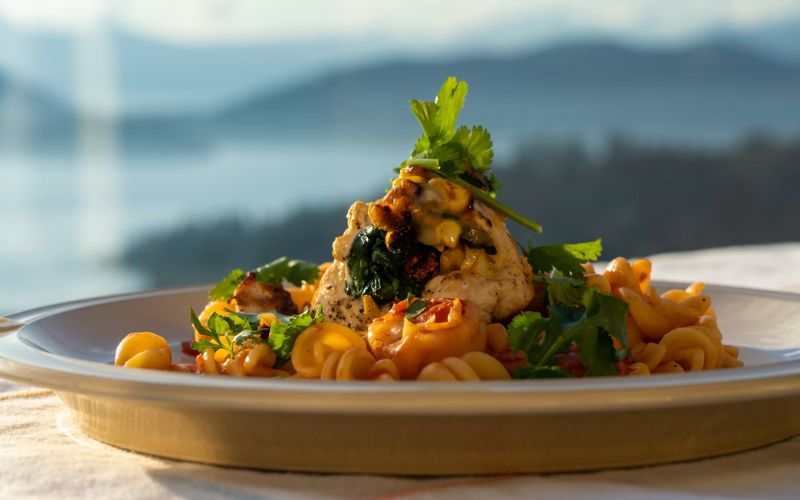
Adding vegetables and lean protein may improve meal balance by increasing fiber, protein, and nutrient variety. Ingredients such as chicken, tofu, spinach, or broccoli may help create meals that feel more satisfying than pasta alone.
- Watching heavy sauces and sodium
The sauce sometimes changes the nutrition more than the pasta itself. Cream-based sauces or higher-sodium ingredients may increase calories and sodium quickly, potentially changing the overall balance of the meal.
- Managing portion sizes
Portions still matter, even with higher-protein foods, which partly explains why is chickpea pasta healthy and often depends on serving size and eating patterns over time. A moderate portion may create a different outcome than oversized servings eaten regularly.
>>> Read more: Is Pho Healthy? 5 Hidden Truths You Need to Know
6. FAQs
Is chickpea pasta good for muscle?
Yes. Higher protein content may support muscle goals when combined with adequate overall protein intake, strength training, and balanced meals. However, chickpea pasta alone does not build muscle. Total daily nutrition still matters.
How much protein is in chickpea Pasta?
Protein varies by brand, though chickpea pasta often contains more protein than traditional refined pasta. Some products provide enough protein to contribute meaningfully to meals, especially when paired with additional protein sources.
Can you eat it daily while cutting?
Yes. The answer depends on portion sizes, calorie targets, and overall diet quality. Moderate servings within a calorie-controlled eating pattern create different outcomes than oversized portions eaten regularly.
Conclusion
The answer to is chickpea pasta healthy rarely depends on protein or fiber alone. While chickpea pasta may provide advantages such as higher protein, greater fullness, and more fiber compared with refined pasta, portions and meal composition still shape the bigger picture.
A bowl paired with vegetables, lean protein, and moderate sauces creates a different outcome than oversized servings or calorie-dense combinations.