
At first glance, asking is Taco Bell healthy for a fit diet may seem unexpected. Fast food rarely appears in conversations about balanced eating, and Taco Bell often gets grouped alongside high-calorie meals without much distinction between menu choices.
This guide breaks down when Taco Bell may fit balanced eating habits, what menu choices compare more favorably, and how to order more thoughtfully.
1. Is Taco Bell healthy for Cheat Day?
Yes. The answer to is Taco Bell healthy for a cheat meal depends on frequency, portions, and what “cheat day” actually means in eating habits. An occasional higher-calorie meal behaves differently from repeated patterns over time.
For example:
- One Taco Bell meal occasionally -> different nutritional impact
- Frequent oversized fast-food meals -> different long-term pattern
2. How Healthy is Taco Bell based on Calories and Ingredients
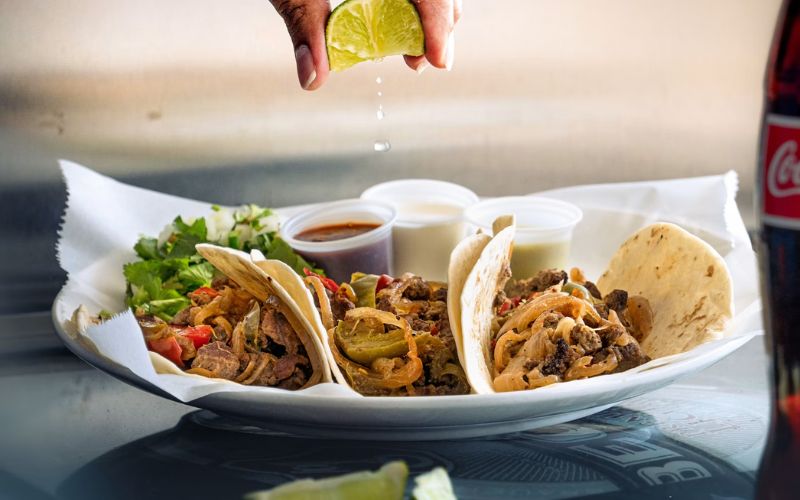
The answer to how healthy is Taco Bell changes considerably depending on what ends up in the order. Some menu items provide moderate calories, protein, or fiber, while others become more calorie-dense because of sauces, cheese, or larger portions.
Smaller Taco Options Tend to be Lower in Calories
- Soft Taco
Soft tacos often contain moderate calories compared with larger Taco Bell meals. They provide protein from beef or chicken while keeping portions smaller.
- Crunchy Taco
Crunchy tacos tend to be lower in calories because of their smaller size. However, fewer calories do not necessarily translate into better overall nutritional balance. Smaller portions may provide less fullness, especially when meals lack fiber or additional protein.
- Chicken Soft Taco
Chicken soft tacos may become one of the more favorable options because grilled chicken often provides higher protein relative to calories. Protein may help improve fullness, though sauces and extras still influence nutrition.
Bean-Based Menu Items May Offer More Fiber
- Bean Burrito
Bean burritos may offer a mix of fiber and plant-based protein, highlighting why the answer to is Taco Bell healthy often varies depending on the specific item ordered. However, sodium content may still increase quickly depending on preparation.
- Black Bean Crunchwrap Supreme
Black bean versions may provide more fiber and plant protein, which changes fullness differently compared with some meat-based alternatives. However, sauces and portion size still influence calories substantially.
>>> Read more: Is Pesto Healthy? Is It Really as Nutritious as You Think?
Larger Combination Meals Become More Calorie-Dense
- Beef Burrito
Beef burritos generally provide protein but often become more calorie-dense because of added rice, cheese, or sauces. The nutrition profile changes considerably depending on ingredients and portion size.
- Burrito Supreme
Burrito Supreme meals usually feel more filling because they contain multiple ingredients combined into larger portions. That fullness comes with tradeoffs, including higher calories, sodium, and saturated fat in some versions.
- Crunchwrap Supreme
Crunchwrap Supreme combines protein, tortillas, cheese, and sauces into one larger item. The result often creates a more calorie-dense meal compared with simpler tacos.
That’s why if you’re looking for a healthier option, you should focus on choosing between menu categories rather than the restaurant alone.
Power Menu Bowl Usually Provide the Most Balanced Mix
Power Menu Bowls may include protein, vegetables, rice, and beans in one meal. They are designed to be filling and nutritious, providing a mix of essential nutrients such as fiber, vitamins, minerals, and protein.
With customizable options for toppings and sauces, these bowls can suit a variety of dietary preferences while offering a flavorful, satisfying meal on the go.
3. What is Healthy at Taco Bell?
The answer to what is healthy at Taco Bell often depends less on avoiding Taco Bell entirely and more on choosing meals with protein, fiber, and moderate portions.
- Chicken Soft Taco: Moderate portions with protein may support fullness better than heavier meals.
- Bean Burrito: Provides fiber and plant protein, though sodium still deserves attention.
- Power Menu Bowl: Combines protein, vegetables, and beans, creating a different nutritional profile than fried or heavily processed options.
- Black Bean items: Often add fiber while increasing fullness.
- Veggie Power Bowl: Includes more vegetables and may fit better into balanced eating habits for some people.
These options partly explain why is Taco Bell healthy often depends more on protein, fiber, and portion choices than the restaurant itself.
Is there anything healthy at Taco Bell to order?
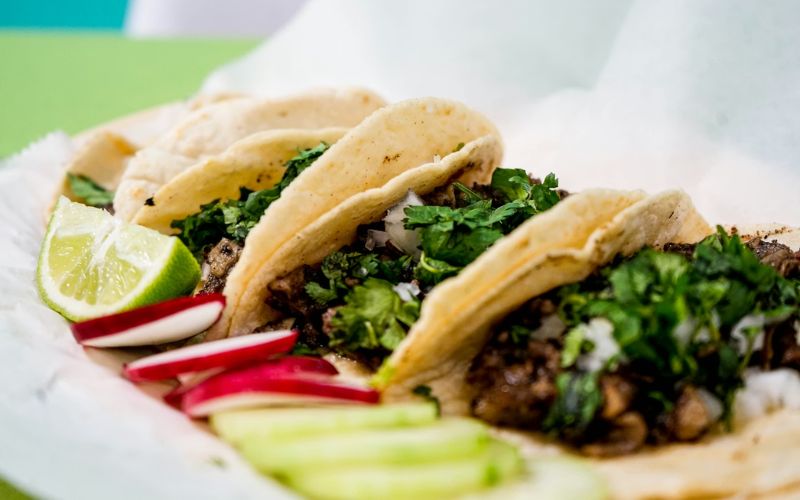
Yes. The answer becomes more favorable when meals prioritize protein, fiber, and reasonable portions.
For example:
- A chicken soft taco + bean side creates a different outcome than several larger items with chips and sugary drinks.
- A power menu bowl with lighter toppings may provide protein and vegetables while staying more balanced.
- Black bean options sometimes compare more favorably because fiber may support fullness.
>>> Read more: Is Avocado Toast Healthy? The Truth Behind This Popular Breakfast
4. FAQs
Is Taco Bell healthy for everyday eating?
No. Frequent fast-food intake may increase sodium, saturated fat, and overall calorie intake while reducing dietary variety over time. Occasional meals with balanced choices create different patterns than relying on fast food regularly.
What are healthier Taco Bell options for quick meals?
Options with protein, beans, and moderate portions often compare more favorably. Choices like Chicken Soft Taco, Bean Burrito, or Power Menu Bowls may provide better balance because protein and fiber can improve fullness.
What is healthy to eat at Taco Bell for weight control?
Meals emphasizing protein and moderate calories may fit more easily into balanced eating habits. For example, Chicken Soft Taco + beans or a Power Menu Bowl with lighter toppings may support fullness better than larger calorie-dense combinations.
Conclusion
The question is Taco Bell healthy does not have a fixed answer because nutrition changes with the order itself. A meal built around protein, beans, and moderate portions creates a different outcome than larger combinations with extra sauces and sides.
Rather than labeling Taco Bell as entirely healthy or unhealthy, a more useful approach asks whether the meal supports balance, fullness, and long-term eating habits.