

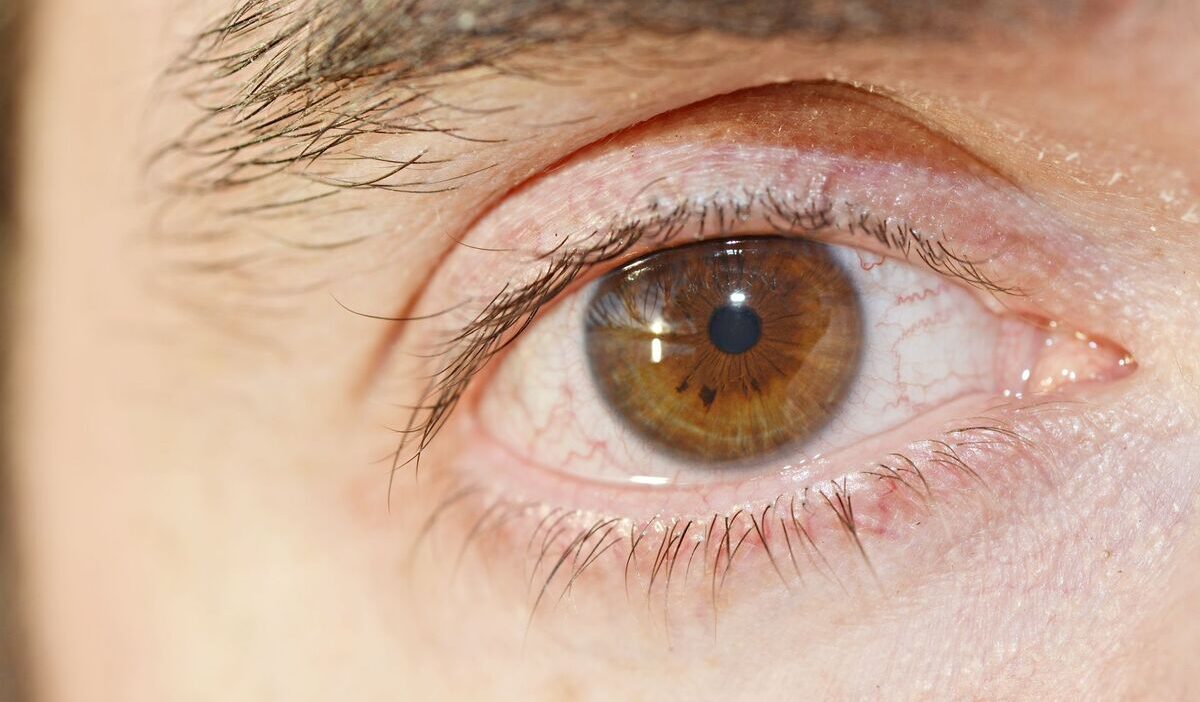
Signs of high cholesterol on face can be easy to miss because high cholesterol usually has no obvious symptoms. When changes do appear, they are often limited to specific signs around the eyes, such as yellow eyelid plaques or a pale ring near the cornea.
These signs do not prove high cholesterol by themselves, but they are worth paying attention to, especially if they appear early or come with a family history of heart disease.
Use this guide to understand what these facial signs may mean, what they are often mistaken for, and when it makes sense to ask a doctor about cholesterol testing.
1. Can High Cholesterol Really Show Up on Your Face?
Yes, but only in specific ways and not in most people. Visible signs of high cholesterol on face can appear when cholesterol and other lipids build up in certain skin or eye structures.
This may happen in people with high cholesterol, high triglycerides, inherited lipid disorders, or other risk factors that need a broader medical review.
2. Signs of High Cholesterol on Face
The visible signs of high cholesterol on face below are the main changes that research links to lipid abnormalities. Each appears in a distinct location and has a recognizable appearance.
Xanthelasma (Yellowish Bumps on the Eyelids)
This is one of the signs of high cholesterol on face. Xanthelasma are soft, flat, yellowish plaques that form near the inner corners of the eyelids, usually where the upper and lower lids meet closest to the nose.
They are the most common visible cholesterol-related sign on the face. About half of adults with xanthelasma have abnormal lipid levels, while many others may have normal standard lipid results.
>>>Read more: Bumps Under the Eyes Cholesterol: What They Mean
Corneal Arcus (Gray or White Ring Around the Eye)
Corneal arcus is a grayish or whitish arc or ring that forms along the outer edge of the cornea, the clear front surface of the eye. It is made up of lipid deposits in the corneal stroma and does not affect vision. The ring is most visible when looking at the eye from the side or at close range.
- In people under 45, corneal arcus can be a marker of familial hypercholesterolemia or elevated lipids, so it is a reason to ask about cholesterol testing.
- In older adults, it is often an age-related change and carries less diagnostic weight by itself.
Xanthomas or Eruptive Xanthomas, Usually Beyond the Face
Xanthomas are larger lipid deposits that form in the skin or tendons.
Eruptive xanthomas appear as clusters of small, yellowish papules that can emerge rapidly, often on the buttocks, shoulders, or extensor surfaces of the arms and legs. They are often associated with severe hypertriglyceridemia, sometimes around or above 1000 mg/dL, rather than just elevated LDL.
Xanthomas are rare on the face but can occasionally appear in the periorbital area as part of a broader systemic lipid deposition pattern.
Tendon xanthomas, which grow along the Achilles tendon or finger tendons, are associated with familial hypercholesterolemia specifically.
What Is Not Usually a Cholesterol Sign
Several common facial changes are frequently mistaken for cholesterol signs but have no reliable relationship to lipid levels.
Acne and cystic lesions are caused by sebaceous gland activity, bacteria, and inflammation rather than cholesterol. Ordinary under-eye bags reflect fluid retention, fat pad displacement, and aging of the periorbital tissue.
General facial paleness reflects circulation, iron levels, or skin tone rather than lipids.
3. Do These Signs Always Mean You Have High Cholesterol?
No. Each of the three conditions above can appear in people with normal standard cholesterol readings.
Xanthelasma can occur even when a standard lipid panel looks normal, which is why a clinician may consider the full health picture, family history, and additional risk factors.
Conversely, none of these signs is required for high cholesterol to be present. Someone with very high LDL may have no visible signs at all.
The signs are clues, not diagnoses. A lipid panel combined with a cardiovascular risk assessment provides the actual picture.
4. What to Do If You Notice These Signs
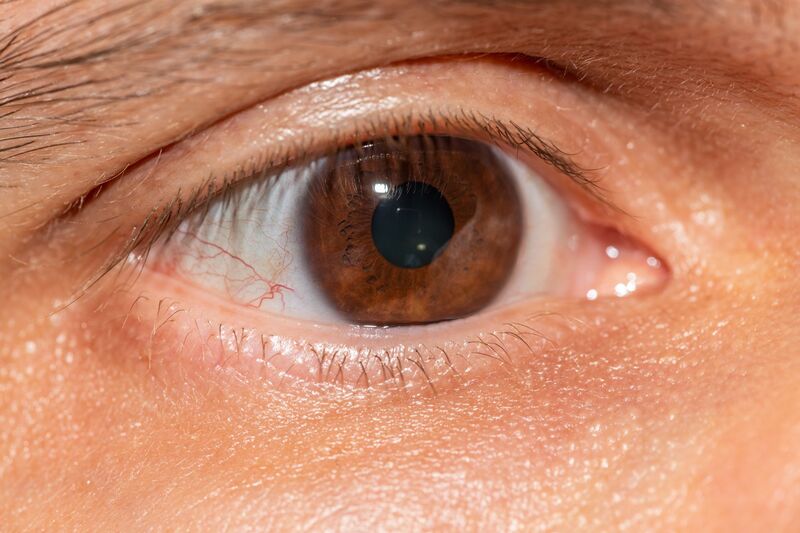
Any of the three conditions described above is a reasonable prompt to schedule a lipid panel if one has not been done recently. The steps below cover what that evaluation typically involves.
- Ask about a lipid panel, including total cholesterol, LDL, HDL, and triglycerides. Depending on your age, family history, and risk factors, a clinician may also discuss non-HDL cholesterol, lipoprotein(a), or other follow-up tests.
- Mention the specific sign to the doctor. Describing xanthelasma, corneal arcus, or xanthomas precisely helps the clinician order appropriate follow-up and consider whether familial hypercholesterolemia or another inherited disorder should be ruled out.
- Discuss overall cardiovascular risk, not just the cholesterol number. Cholesterol results are usually interpreted alongside factors such as age, blood pressure, smoking status, diabetes, and family history.
- Do not attempt to remove xanthelasma or other deposits at home. Squeezing, cutting, or applying caustic substances to these lesions risks scarring, infection, and eye damage. Removal should be performed by a dermatologist or ophthalmologist using appropriate tools.
>>> Read more: Sleep Deprivation Psychosis: Symptoms, Causes, Duration, and Treatment
5. FAQs
Can You Have Xanthelasma With Normal Cholesterol?
Yes. Many people with xanthelasma can have normal standard lipid results. Still, the finding is a good reason to ask a healthcare provider whether cholesterol testing or broader heart-risk review is needed.
Should You Squeeze or Pop Cholesterol Bumps?
No. Xanthelasma and other lipid deposits are located in the dermis and do not respond to squeezing the way a pimple would. Attempting to pop them risks damaging the thin eyelid skin, causing scarring, and introducing infection near the eye.
At What Age Do These Signs Typically Appear?
Xanthelasma most commonly appears in middle age, typically between 40 and 60, and is slightly more common in women. Corneal arcus as a cholesterol-related sign is more diagnostically significant when it appears before age 45.
Can These Facial Signs Go Away Without Treatment?
Xanthelasma and corneal arcus usually do not go away on their own. Improving lipid levels may help reduce the chance of new deposits or progression, but existing changes often need medical treatment if removal is desired.
Conclusion
The signs of high cholesterol on the face are limited to a few recognizable changes, such as xanthelasma near the eyelids, corneal arcus around the edge of the cornea, and, less commonly, xanthomas that appear with broader lipid disorders.
These signs do not prove high cholesterol on their own, and many people with high cholesterol have no visible symptoms at all. Still, if you notice yellow eyelid plaques, an early corneal ring, or unusual skin deposits, it is worth asking a healthcare provider whether cholesterol testing is needed.