
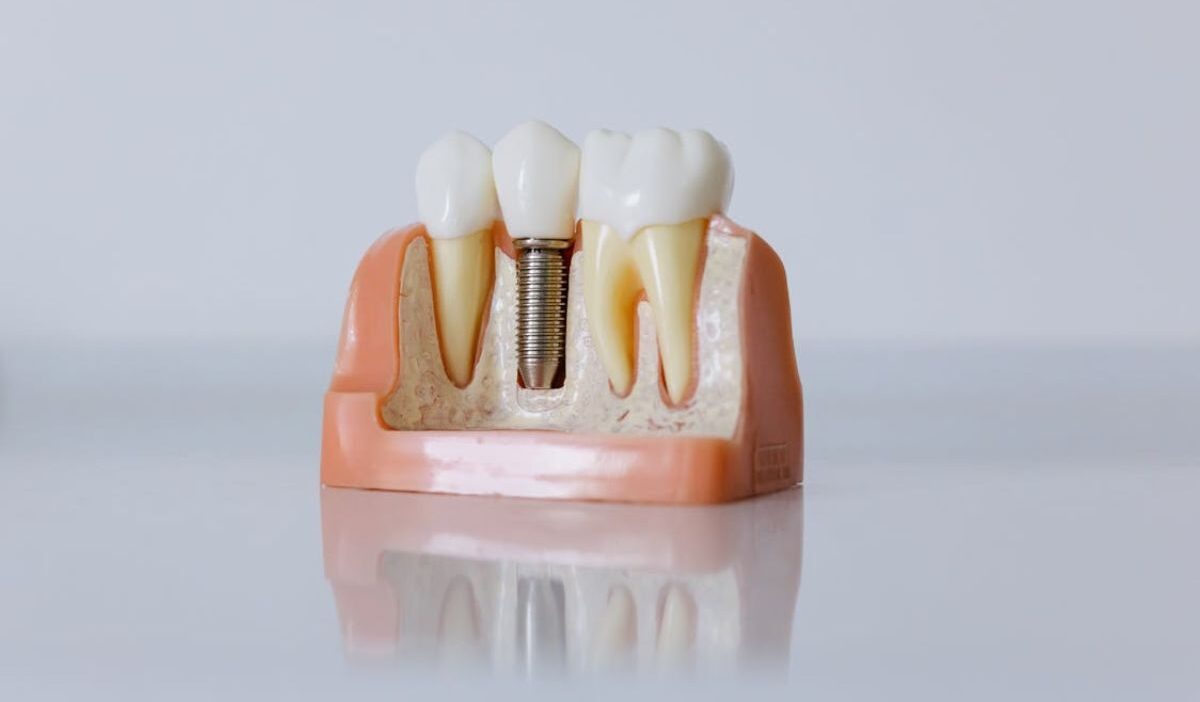
Dental implants involve complex treatment and high cost, which leads many Medicaid members to ask does Medicaid cover dental implants before starting care. Coverage decisions are not the same across the country and depend on age and state policy.
Does Medicaid Cover Dental Implants
Coverage For Children Under 21
For children and teens, Medicaid includes dental care as part of a required benefit. Implants are reviewed carefully and may be delayed until jaw growth is complete. Alternative treatments may be considered before implants are approved.
Approval depends on documented need and professional evaluation. For this age group, does Medicaid cover dental implants is more likely to receive a positive review when the functional impact is shown.
Coverage For Adults Above 21
Adult dental coverage under Medicaid is not required at the federal level. Each state decides which adult dental services are included. Many state plans exclude implants for adults or restrict coverage to extractions and basic treatment.
Because of this, does Medicaid cover dental implants for adults depends entirely on state policy rather than a shared national rule.
Cases that sometimes qualify
- Tooth loss caused by trauma or injury
Cases involving accidents, falls, or facial injury may receive review when tooth loss affects chewing or oral structure. Documentation often includes injury records and dental imaging that show why other treatments cannot restore function.
- Tooth loss linked to medical treatment or disease
Some cases involve tooth loss related to cancer treatment, infection, or medical conditions that damage bone or teeth. Medicaid review may consider implants when standard dental options do not restore oral function.
- Failure of other covered dental treatments
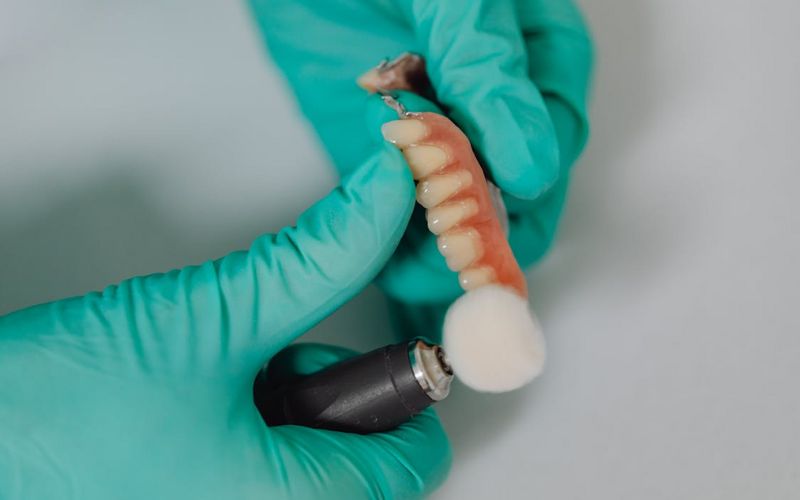
When covered dental options such as dentures or bridges fail or cannot restore function, Medicaid may review whether implants address a documented condition.
Read more: Does Medicaid Cover Braces? Kids, Adults & Approval
Note: Even in qualifying cases, implant approval is uncommon and requires extensive documentation.
Why Many State Plans Do Not List Implants for Adults
Does Medicaid cover Dental Implants? Adult dental implants are often excluded from Medicaid coverage due to program design and cost controls.
- Focus on limited adult dental services
Many state Medicaid programs limit adult dental care to services related to pain relief, infection, or basic oral function. Implants are often classified as restorative care beyond this scope.
- High cost and multi-step treatment process
Dental implants involve surgery, follow-up visits, and laboratory work. State plans often avoid listing implants due to long treatment timelines and higher costs compared to other dental options.
- State-level control over adult dental benefits
Adult dental services are determined by each state rather than federal rules. This leads to wide variation in coverage and explains why does Medicaid cover dental implants differs across states.
>>> Read more: Does Medicaid Cover Eye Exams? Rules for Kids & Adults
How to Get Medicaid to Cover Dental Implants?
People are asking How to get Medicaid to cover dental implants? usually need to follow a structured review path rather than request approval directly.
- Start with a Medicaid-participating dental provider
A dentist or oral surgeon who accepts Medicaid must first evaluate the condition. Provider participation is required before Medicaid will review any implant request.
- Prepare records that show functional impact
Medicaid review centers on how tooth loss affects chewing, oral structure, or daily use of the mouth. Imaging, exam notes, and provider explanations support the request.
- Submit prior authorization through the plan
Most Medicaid plans require authorization before treatment begins. The submission connects clinical records to the request and triggers formal review.
- Respond to follow-up requests during review
Medicaid may ask for additional information before issuing a decision. A timely response helps prevent delays or denial.
Lower-Cost Options When Implants Are Out of Reach
- Dental schools and residency clinics
Dental schools and residency clinics often provide treatment at reduced cost. Care is delivered by students or residents under supervision. These settings may offer implant services with lower fees than private practices.
- Community health centers
Community health centers provide dental services based on income and availability. While not all centers offer implants, some coordinate referrals or alternative treatments. Community clinics help patients manage care costs when Medicaid coverage is limited.
FAQs
How to prove Dental Implants are medically necessary?
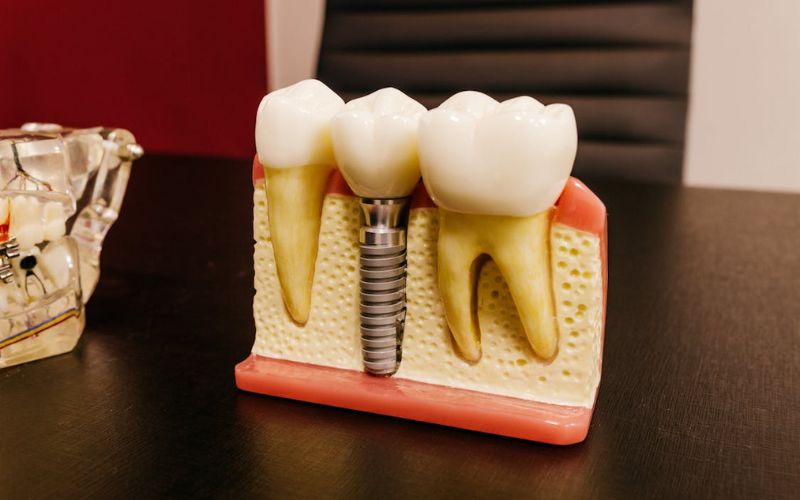
When people ask How to prove dental implants are medically necessary?, the focus is on showing how tooth loss affects daily function. Documentation often includes imaging, provider statements, and explanations related to chewing or oral structure.
Can I switch providers after approval?
Switching providers after approval depends on state rules and plan requirements. Medicaid often ties authorization to a specific provider. Changes may require updated approval. Checking plan guidance helps avoid delays after approval.
What if I already paid? Can Medicaid reimburse?
Medicaid reimbursement for services paid out of pocket is uncommon. Approval must occur before treatment begins. Members should confirm coverage status before paying for implants. This rule affects how does Medicaid cover dental implants applies to completed treatment.
Conclusion
The answer to does Medicaid cover dental implants depends on age, state policy, and review standards tied to medical need. Children under 21 have broader access due to required dental benefits. Adult coverage remains limited and varies widely by state.