
When were flip phones invented? The answer depends on what you count as a true flip phone. Motorola introduced the MicroTAC in 1989 with a flip-down mouthpiece, while the full clamshell design most people recognize today arrived with the StarTAC in 1996.
Those two models set the stage for the flip-phone boom of the late 1990s and 2000s. This guide traces the key milestones, iconic models, and how the clamshell design eventually returned in modern foldable smartphones.
1. When Were Flip Phones Invented?
One of the earliest phones widely recognized as a cellular flip phone was the Motorola MicroTAC, introduced in 1989. Its design included a flip-down mouthpiece that folded over the keypad, making it an important early step toward the flip phone form.
The familiar clamshell design came later. In 1996, Motorola released the StarTAC, which folded the phone itself in half and helped establish the form most people now associate with classic flip phones.
2. Key Flip Phone Milestones
Flip phones underwent several distinct design phases before touchscreens dominated the market. Below are the key flip phone milestones year-by-year:
| Year | Milestone |
| 1989 | Motorola introduces the MicroTAC, an early cellular flip-style phone with a flip-down mouthpiece |
| 1996 | Motorola launches the StarTAC, helping popularize the full clamshell mobile-phone design |
| 2004 | Motorola releases the ultra-thin RAZR V3, which becomes one of the most recognizable flip phones of the 2000s |
| 2007 onward | Touchscreen smartphones begin reshaping the mobile-phone market, gradually reducing demand for traditional flip phones |
| Modern era | Foldable smartphones such as the Galaxy Z Flip bring the clamshell concept back with flexible touchscreen displays |
Each of these milestones represents a shift in what people expected from a mobile phone, from basic portability in the late 1980s, to style and compactness in the mid-1990s and 2000s, to the touchscreen-first world that followed.

>>> Read more: Why Does My Phone Say Emergency Calls Only? Fixes That Work
3. Iconic Flip Phone Models Through the Years
Besides knowing when were flip phones invented, a few flip phones stood out enough to become cultural icons in their own right.
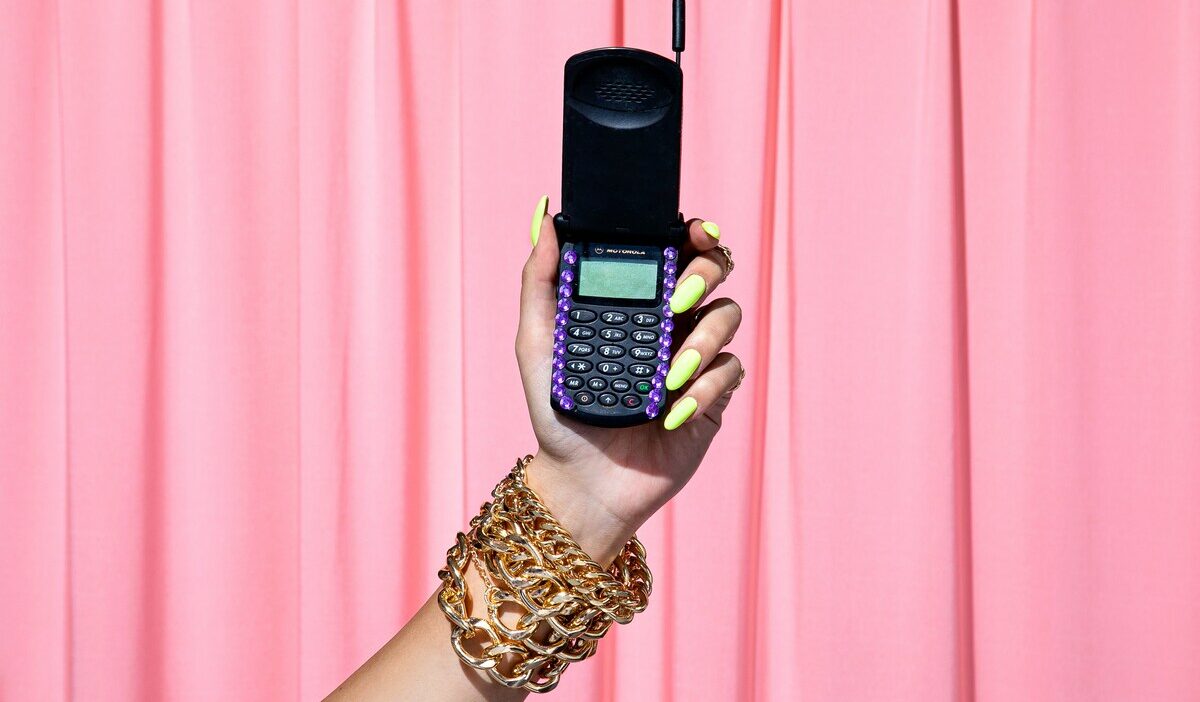
- Motorola StarTAC (1996): The phone that popularized the full clamshell design and became one of the first mobile phones to feel like a fashion accessory rather than just a tool
- Motorola RAZR V3 (2004): Its ultra-thin design made it one of the defining flip phones of the 2000s, with the RAZR V3 commonly reported to have sold around 130 million units worldwide.
- Nokia 2760 (2007): One of the many compact clamshell phones released during the later years of the traditional flip-phone era.
- Samsung Galaxy Z Flip series (2020–present): A modern foldable smartphone that revives the clamshell shape with a full touchscreen, bridging the gap between nostalgia and current technology
4. Why Flip Phones Declined
Flip phones became one of the most popular mobile-phone designs during the late 1990s and 2000s. However, the market gradually began moving toward smartphones with larger displays and fewer physical buttons.
The launch of the first iPhone in 2007 was an important milestone in that transition, but the change did not happen overnight. Over the following years, Android smartphones and other touchscreen devices became increasingly common.
As apps, web browsing, video, and touchscreen interfaces became more important, the small displays and physical keypads of traditional flip phones became less suited to what many consumers wanted.
By the early 2010s, major manufacturers were increasingly concentrating on touchscreen smartphones, while traditional flip phones moved toward a smaller feature-phone market.
5. Are Flip Phones Making a Comeback?
Yes, but in two very different forms.
The first is the modern foldable smartphone. Devices such as the Samsung Galaxy Z Flip series and Motorola Razr bring back the familiar clamshell shape while adding large touchscreens, apps, high-quality cameras, and other smartphone features.
Instead of returning to the old flip-phone experience, these models reuse the compact folding design with newer display technology.
At the same time, traditional feature-phone-style flip phones still appeal to people who want a simpler device.
Some users choose them for basic calls and texts, longer battery life, fewer app distractions, or as a secondary phone. Interest in reducing screen time has also given these simpler devices renewed attention among some younger users.
So, flip phones have not returned in exactly the same way as the answer to when were flip phones invented.
Today, the clamshell format serves both ends of the market: premium foldable smartphones for people who want new technology in a compact form, and basic flip phones for users who prefer fewer features and a simpler mobile experience.
>>> Read more: Free Galaxy Z Flip Government Phone: How To Qualify And Apply
6. Frequently Asked Questions
Q1. Were flip phones a thing in 2001?
Yes. By 2001, flip phones were widely popular, following the success of the Motorola StarTAC in 1996. Several manufacturers had released their own clamshell models by that point.
Q2. Did flip phones exist in 2002?
Yes. Flip phones were common by 2002, well before the Motorola RAZR’s 2004 release brought the design to its peak popularity.
Q3. Did the 90s have flip phones?
Yes. Motorola introduced the MicroTAC in 1989, while the full clamshell style associated with classic flip phones became prominent after the StarTAC launched in 1996.
Q4. Why are Gen Z using flip phones?
Some Gen Z users choose flip phones for their simplicity, nostalgic appeal, and fewer digital distractions. For some, using a basic phone can also be a way to spend less time on social media and smartphone apps.
Conclusion
Flip phones evolved through several distinct stages rather than appearing in one final form overnight. The MicroTAC introduced the flip-style concept in 1989, the StarTAC established the full clamshell format in 1996, and models like the RAZR later turned that design into a cultural icon.
For when were flip phones invented, 1989 is the key starting point, while 1996 marks the arrival of the classic clamshell shape. Traditional flip phones may no longer dominate the market, but their design still lives on in both simple feature phones and modern foldable smartphones.