
When people ask what state has the most national parks, they often expect a quick answer. While the response is simple: Alaska. The reasoning behind it involves geography, federal land management, and how national parks are officially classified.
In this article, we’ll break down what state has the most national parks in the US, clarify how parks are counted, and explore why some states have far more parks than others. We’ll also highlight states known for their most famous national parks.
What State Has The Most National Parks In The US?
The clear winner is Alaska. The state contains eight national parks, more than any other state in the country.
Why Alaska Ranks #1 For National Parks
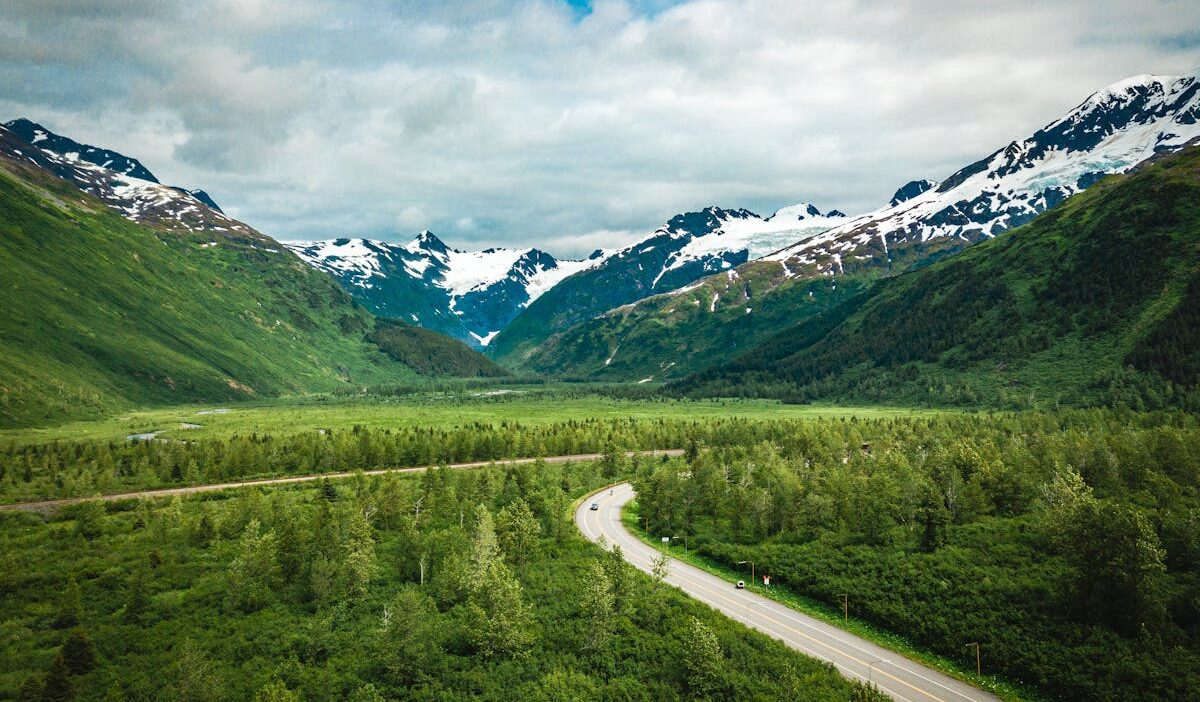
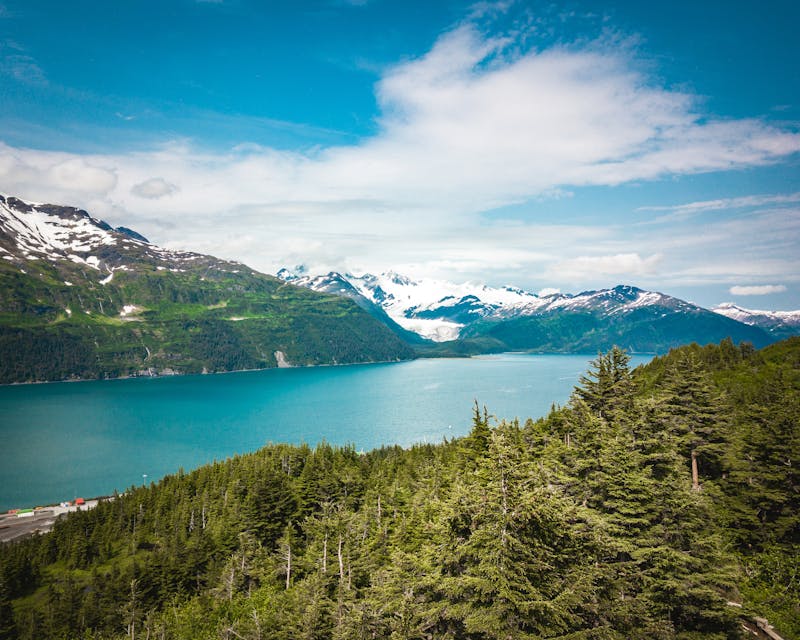
Alaska’s dominance is largely due to its immense size and extraordinary wilderness. As the largest state in the U.S., Alaska holds vast areas of protected land, much of which remains undeveloped and ecologically significant.
Alaska’s national parks include:
- Denali National Park and Preserve
- Glacier Bay National Park and Preserve
- Katmai National Park and Preserve
- Kenai Fjords National Park
- Lake Clark National Park and Preserve
- Wrangell–St. Elias National Park and Preserve
- Gates of the Arctic National Park and Preserve
- Kobuk Valley National Park
Several of these parks are among the largest national parks in the world, featuring glaciers, tundra, mountains, and abundant wildlife.
Key reasons Alaska leads:
- Massive land area
- Low population density
- Extensive federal land holdings
- Unique ecosystems
Unlike more urbanized states, Alaska retains large contiguous wilderness zones suitable for national park designation.
>>>Read more: Which State Has The Most Lakes? Lake Counts And Shoreline Easy Explained
How The National Park Count Is Defined
Understanding what state has the most national parks requires knowing how the National Park Service (NPS) defines a “national park.”
The NPS manages many site types, including:
- National parks
- National monuments
- National historic sites
- National recreation areas
- National preserves
Only sites officially designated as “National Parks” by Congress count toward state rankings.
For example:
- A national monument ≠ national park
- A national recreation area ≠ national park
This distinction is why some states with many protected areas still have relatively few national parks.
What US State Has The Most National Parks By Number?
If you’re asking what US state has the most national parks by number, Alaska remains the answer with eight.
However, several states follow closely behind.
California has nine NPS-managed sites classified as national parks, including:
- Yosemite
- Sequoia
- Kings Canyon
- Joshua Tree
- Death Valley
- Redwood
Wait. Does California beat Alaska?
Here’s the nuance:
- Alaska → Most parks by land size & wilderness scale
- California → Tied or competitive in total count depending on classification updates
National park counts occasionally change when new parks are designated or reclassified. But Alaska consistently ranks at or near the top.
>>>Read more: What State Produces The Most Cranberries? 2026 Easy Explained
States With The Most Famous National Parks
While Alaska may answer what state has the most national parks, other states are more closely associated with iconic destinations.
California
Home to globally recognized parks:
- Yosemite National Park
- Joshua Tree National Park
- Death Valley National Park
California combines dramatic landscapes with easy accessibility.
Utah
Often called the national park capital of scenic road trips:
- Zion
- Bryce Canyon
- Arches
- Canyonlands
- Capitol Reef
Utah’s parks are known for red rock formations and desert beauty.
Arizona
Best known for: Grand Canyon National Park
Though Arizona has fewer parks, it contains one of the most visited and famous parks in the world.
Wyoming
Features:
- Yellowstone (shared with Montana & Idaho)
- Grand Teton
Wyoming plays a central role in U.S. national park history.
Why Some States Have More National Parks Than Others
The distribution of national parks is far from random.
- Geography & natural features
National parks are typically designated to protect:
- Unique landscapes
- Biodiversity hotspots
- Geological wonders
- Scenic or scientific value
States with dramatic terrain naturally attract more designations.
- Federal land ownership
Western states contain more federally owned land, making park creation easier.
Examples:
- Alaska
- Utah
- Nevada
- Arizona
Eastern states, by contrast, have more private land, limiting opportunities for large national parks.
- Historical timing
Some parks were established early in U.S. history when conservation priorities focused on the West.
Yellowstone (1872), the first national park, set a precedent for protecting vast wilderness areas.
- Population & development
Highly urbanized states may lack large, undeveloped regions suitable for park designation.
FAQs
Does Having More National Parks Mean More Visitor Traffic?
Not necessarily. Visitor numbers depend on:
- Accessibility
- Infrastructure
- Tourism demand
- Climate
For example, Alaska has many parks but fewer visitors than highly accessible parks like the Grand Canyon or Yosemite.
Which State Has The Most Visited National Parks?
California and Arizona are frequently associated with the most visited parks, largely due to:
- Yosemite National Park
- Grand Canyon National Park
These parks attract millions of visitors annually.
Are National Parks The Same As National Monuments?
No. National parks are typically larger and receive stronger protection standards.
National monuments can be designated by presidential proclamation and may protect historical, cultural, or natural features.
Both are managed by federal agencies, but they differ in legal designation and management priorities.
Conclusion
That gathers all the information you need to answer the question what state has the most national parks?
Alaska ranks #1, thanks to its enormous wilderness, ecological diversity, and vast protected lands.
However, states like California and Utah often dominate conversations about famous national parks due to accessibility and visitor popularity.
Ultimately, the number of national parks in a state reflects geography, federal land policies, and conservation history, not just tourism appeal.