
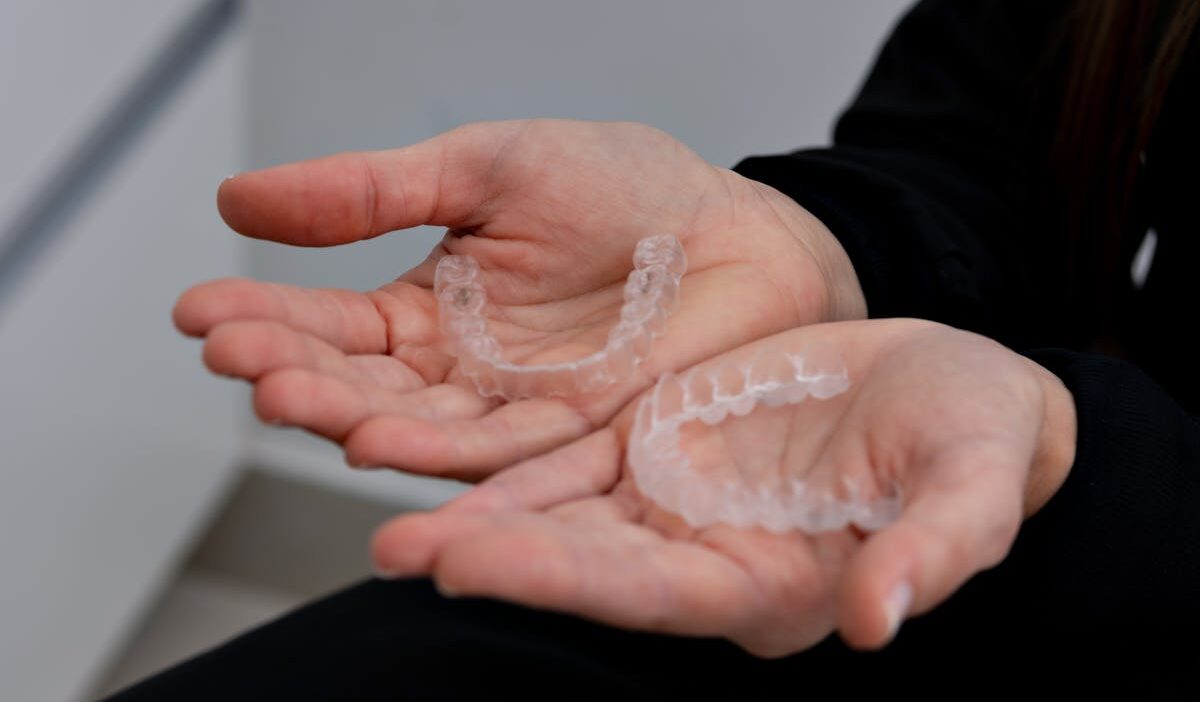
Clear aligners such as Invisalign are often viewed as a modern orthodontic option, yet coverage under public health programs raises many questions. A frequent concern among patients is does Medicaid cover Invisalign, especially orthodontic care.
Does Medicaid Cover Invisalign?
The answer to does Medicaid cover Invisalign depends on age, state policy, and whether orthodontic treatment is considered medically necessary.
Eligibility of Children under 21
For children and teens, Medicaid includes mandatory dental services through federal early and periodic care rules. Under the Early and Periodic Screening, Diagnostic, and Treatment (EPSDT) benefit, medically necessary dental and orthodontic care may be reviewed when alignment issues affect chewing, speech, or jaw development.
In some states, aligner-based treatment may be reviewed as part of orthodontic care, though many plans prioritize traditional braces. As a result, does Medicaid cover Invisalign for children depends on whether the aligner is approved as the treatment method for the documented condition.
Eligibility of Adults above 21
Dental coverage for adults under Medicaid is decided by each state. Many states limit adult dental benefits to basic services, such as pain-related treatment or extractions.
Because orthodontic care for adults is often excluded, does Medicaid cover Invisalign for adults is commonly answered no unless a state plan includes rare exceptions tied to medical conditions.
>>>>Read more: Does Medicaid Cover Dental Implants? Rules & Eligibility
4 Steps to Check Whether Your Medicaid Plan Covers Invisalign
Because coverage is rare, these steps help confirm whether Invisalign is even considered under your Medicaid plan.
Step 1: Identify the exact plan name on your card
Start by reviewing your Medicaid card. Determine whether you are enrolled in state-run Medicaid or a managed care organization. This distinction affects dental benefits and provider networks.
Step 2: Find the dental benefit handbook and the orthodontic section
Each plan publishes a dental benefit document. Look for sections related to orthodontics or specialty dental care. These sections explain whether aligners, braces, or prior approval rules apply.
Step 3: Ask member services the right questions
When calling member services, ask direct questions about orthodontic coverage, aligner-based treatment, and prior approval. This step helps clarify does Medicaid cover Invisalign under your specific plan rather than in general terms.
Step 4: Confirm in-network orthodontists before scheduling
Coverage usually applies only when care is provided by enrolled orthodontists. Confirm network status before scheduling an evaluation to avoid denied claims.
>>> Read more: Does Medicaid Cover Braces? Kids, Adults & Approval
How do you get Invisalign when you can’t afford it?
- Ask orthodontic offices about monthly payment plans
Many orthodontists offer installment plans that allow patients to pay over time rather than upfront. For patients asking how do you get Invisalign when you can’t afford it?, spreading costs across monthly payments can make treatment more manageable
- Check dental schools or university clinics
Dental schools sometimes provide orthodontic care at reduced rates under faculty supervision. Availability varies by location, and not all schools offer Invisalign. This option is often explored by patients seeking alternatives when does Medicaid cover Invisalign is not applicable.
- Review orthodontic financing programs
Some outside financing companies team up with orthodontic offices to help set up payment plans. For patients researching How do you get Invisalign when you can’t afford it? Financing programs are one of the more common non-insurance options.
- Ask if a lower-cost aligner system is appropriate
Invisalign is a brand-name aligner system, and some orthodontists offer other clear aligner options at a lower cost. Treatment suitability depends on dental needs. This discussion can be useful when “does Medicaid cover Invisalign” does not apply, but clear aligners are still desired.
FAQs
Can I get Invisalign with Medicare?
Original Medicare does not include routine dental or orthodontic services. Some Medicare Advantage plans may offer limited dental benefits, but aligner coverage varies by plan.
Can I switch orthodontists after approval?
Switching orthodontists after approval may require plan notification and new authorization. Medicaid plans often require services to remain within the approved provider network. Confirm whether approval remains valid to avoid payment issues related to does Medicaid cover Invisalign.
Conclusion
Checking plan details, confirming provider networks, and understanding alternatives helps patients make informed decisions. For those without coverage, exploring other payment options may address how do you get Invisalign when you can’t afford it? while maintaining continuity of care.