

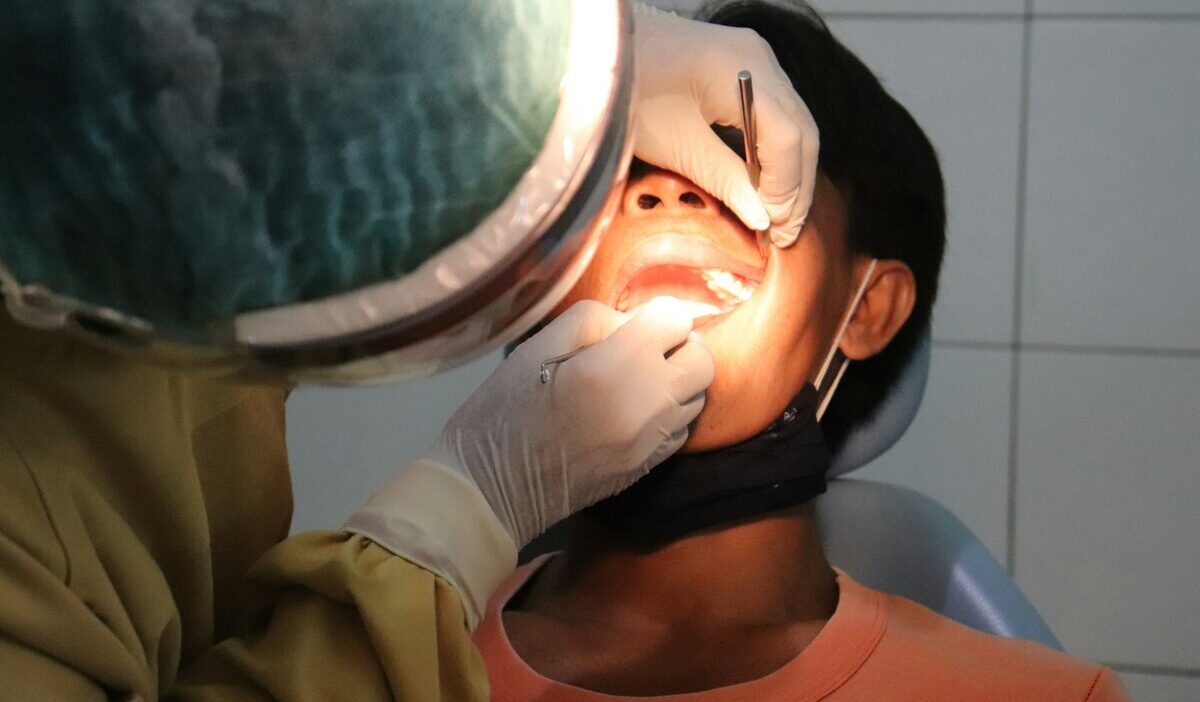
Does Medicaid cover wisdom teeth removal? The short answer is: it depends on your state. Medicaid dental benefits vary widely, and adults often face more restrictions than children.
Understanding your state’s rules can save you from unexpected dental bills. This guide breaks down how Medicaid handles wisdom teeth extractions – including specific details for North Carolina, Illinois, Texas, and Louisiana.
Whether your situation is urgent or you are planning ahead, knowing your coverage options is the first step toward getting the care you need.
Does Medicaid Cover Wisdom Teeth Removal?
Medicaid may cover wisdom teeth removal, but coverage is not guaranteed for every enrollee. The federal government sets the minimum requirements for Medicaid dental benefits for children, while adult dental coverage is left largely to each state’s discretion.
In some states, adults receive full dental benefits that include extractions. In others, coverage is limited to emergency-only situations. A small number of states offer no adult dental Medicaid coverage at all.
How Medicaid Dental Coverage Works for Adults vs. Children
For children enrolled in Medicaid, dental care – including tooth extractions – is a mandatory benefit under the Early and Periodic Screening, Diagnostic and Treatment (EPSDT) program. This means states must cover medically necessary dental procedures for anyone under age 21.
Adult Medicaid dental benefits are optional for states to offer. Coverage generally falls into three tiers:
- Comprehensive coverage – includes routine and surgical extractions, X-rays, and preventive care.
- Limited coverage – covers only certain procedures, often with prior authorization required.
- Emergency-only coverage – pays for tooth removal only when there is documented pain or infection.
Adults in states with emergency-only or no dental coverage may struggle to get elective or preventive extractions approved, even when a dentist recommends them.
What Medicaid Typically Pays for Wisdom Teeth Extraction
When Medicaid does cover wisdom teeth removal, the amount it pays depends on the type of extraction:
- Simple extraction (erupted tooth) – generally covered when medically necessary and within the state’s benefit scope.
- Surgical extraction (impacted tooth) – requires more documentation and often prior authorization; covered in comprehensive states.
- Anesthesia and facility fees – sometimes covered separately, but not always included in every state’s plan.
Medicaid reimbursement rates are set by the state and are typically lower than private insurance rates. This can limit the number of dentists willing to accept Medicaid patients, so finding a participating provider may take extra effort.
>>> Read more: Does Medicaid Cover Invisalign? Coverage Rules & 4 Steps
What States Cover Wisdom Teeth Removal Under Medicaid?
Each state administers its own Medicaid program, which means adult dental benefits differ from state to state. Here is a look at where states generally stand, followed by specifics for NC, IL, TX, and LA.
Comprehensive Coverage States vs. Emergency-Only States
States with comprehensive adult dental Medicaid typically cover extractions as long as they are medically necessary. States with emergency-only plans require you to show acute pain, swelling, or infection before approving a claim.
- North Carolina Medicaid (NC):
North Carolina sits somewhere in the middle of the spectrum. It does not offer the broad coverage you would find in a state like Illinois, but it is not as restrictive as Texas either.
Coverage through NC Medicaid is generally tied to clinical necessity, meaning simple and surgical extractions may be approved with prior authorization from your managed care plan.
For those wondering does Medicaid cover wisdom teeth removal in NC, the answer is yes in cases involving documented pain, infection, or a clear medical reason, though routine preventive removal is unlikely to be approved.
- Illinois Medicaid (IL):
Illinois stands out as one of the more enrollee-friendly states when it comes to adult dental benefits. Unlike Texas or Louisiana, which largely limit coverage to emergencies, Illinois Medicaid extends coverage to both simple and surgical extractions whenever there is a medically necessary reason.
Does Medicaid cover wisdom teeth removal in Illinois? In most justified cases, yes, and with proper documentation from a participating oral surgeon or dentist, the approval process tends to be more straightforward than in many other states.
- Texas Medicaid (TX):
Compared to Illinois and even North Carolina, Texas takes a noticeably more restrictive stance.
Adult dental coverage is limited, and wisdom teeth removal is typically only approved in acute situations such as severe pain, abscess, or active infection.
Those asking does Medicaid cover wisdom teeth removal in Texas should know that elective removal of asymptomatic wisdom teeth is generally not a covered benefit for adults.
One notable exception is that children under 20 enrolled in CHIP or Medicaid have access to considerably broader dental coverage than adults in the same state.
- Louisiana Medicaid (LA):
Louisiana and Texas are fairly similar in how they approach adult dental coverage, both leaning toward emergency-only scenarios rather than broader preventive care.
Extractions are covered when there is documented pain or infection, but full surgical removal of impacted wisdom teeth may still require additional documentation and prior authorization.
For those asking does Medicaid cover wisdom teeth removal in Louisiana, the coverage is possible but not guaranteed, and having thorough clinical documentation from your provider will make a meaningful difference in whether your claim is approved.
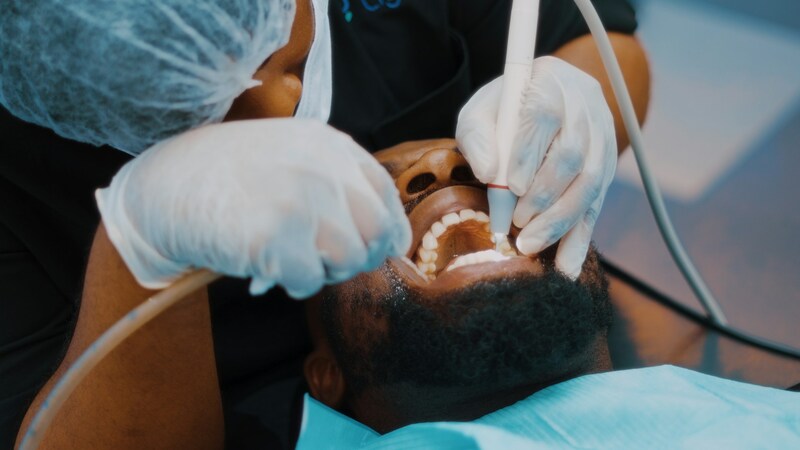
How to Check if Your State Covers Wisdom Teeth Removal
The fastest way to confirm your specific coverage is to:
- Call the member services number on your Medicaid card and ask directly about dental extraction benefits.
- Visit your state’s Medicaid website and look for the “covered services” or “dental benefits” section.
- Ask your dentist or oral surgeon’s billing office – they work with Medicaid daily and know what gets approved.
- Contact your managed care organization (MCO) if you are enrolled in a Medicaid managed care plan, as benefits can vary by plan even within the same state.
You can also find official state-by-state dental benefit information through the Medicaid.gov dental coverage page.
What if I Can’t Afford to Get My Wisdom Teeth Removed?
If Medicaid does not cover your wisdom teeth removal – or if you are uninsured – there are several options worth exploring:
- Dental schools: Accredited dental schools offer extractions at significantly reduced rates. Procedures are performed by supervised students, and the quality of care is closely monitored.
- Community health centers: Federally Qualified Health Centers (FQHCs) provide dental care on a sliding-fee scale based on income. Use the HRSA Find a Health Center tool to locate one near you.
- Nonprofit dental clinics: Organizations like Mission of Mercy or Give Kids a Smile periodically offer free dental events.
- Payment plans: Many oral surgeons offer in-house financing or work with third-party financing options for patients who qualify.
- State dental assistance programs: Some states have separate programs for low-income adults who do not qualify for Medicaid dental coverage.
The HRSA Health Center Finder is a reliable resource for locating low-cost dental care in your area.
If you are in pain and cannot wait, go to an urgent care clinic or emergency room. They can prescribe pain relief and antibiotics to manage infection while you arrange for a dental appointment.
>>> Read more: Does Aspen Dental Take Medicaid? 2026 Easy Explain
FAQs
Does Medicaid Cover All 4 Wisdom Teeth at Once?
In states where Medicaid covers wisdom teeth removal, it is possible to have all four teeth extracted in a single visit if medically necessary.
However, prior authorization is often required, and your dentist or oral surgeon must justify the need to remove multiple teeth at once.
Some Medicaid managed care plans may limit the number of extractions per visit or per year, so confirming with your specific plan before scheduling is important.
Does Medicaid Cover Impacted Wisdom Teeth Removal?
Impacted wisdom teeth removal under Medicaid is possible in states that offer comprehensive or limited adult dental coverage.
Because impacted extractions involve surgery and carry higher costs, they typically require prior authorization and clinical documentation showing the procedure is medically necessary.
States like Illinois are more likely to cover impacted wisdom teeth removal, while emergency-only states like Texas and Louisiana will typically only approve it when there is active infection or severe pain.
What should I do if Medicaid denies my wisdom teeth removal claim?
A denial is not always final. Most state Medicaid programs allow you to file a formal appeal, and reviewing your denial letter carefully is a good first step since it will outline the specific reason your claim was not approved.
Working with your dentist to provide stronger clinical documentation, such as updated X-rays or a more detailed letter of medical necessity, can make a meaningful difference when resubmitting your case.
Conclusion
The answer to does Medicaid cover wisdom teeth removal is rarely a simple yes or no, and that is precisely why it is worth taking the time to understand your specific state’s rules before assuming coverage will or will not apply to you.
What qualifies in Illinois may not meet the threshold in Texas or Louisiana, and outcomes can differ even within the same state depending on how well a case is documented.
Knowing where your state stands, what your plan requires, and what documentation your provider needs to submit puts you in a much stronger position to navigate the process with confidence.
And for those who fall outside coverage boundaries, options like community health centers and dental schools are worth exploring. The more informed you are going in, the better prepared you will be to advocate for the care you need.