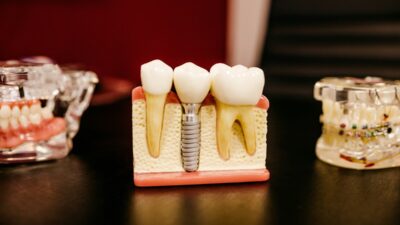


What does Medicaid cover for dental for adults? It is one of the most common questions among Medicaid enrollees – and the answer is not the same for everyone.
Adult Medicaid dental coverage depends on the state you live in. Some states offer broad benefits that include cleanings, fillings, and extractions, while others only cover emergency procedures. A handful of states offer no adult dental benefits at all.
This guide explains how adult dental coverage works under Medicaid, what services may be included, and how specific states like Illinois, Texas, and New York handle dental care for adult enrollees.
What Does Medicaid Cover for Dental for Adults?
Medicaid dental benefits for adults are not uniform across the country. Federal law sets minimum dental standards only for children. Adults enrolled in Medicaid may receive comprehensive, limited, or emergency-only dental coverage – or none at all – depending on where they live.
Is Adult Dental Coverage Required Under Medicaid?
No. Adult dental coverage is an optional benefit under federal Medicaid rules. States are not required to provide dental care to adult enrollees beyond emergency situations.
However, most states choose to offer some level of dental benefits because oral health directly affects overall health outcomes. Untreated dental issues can lead to infections and other medical complications that cost more to treat in the long run.
The Medicaid.gov dental benefits overview provides a state-by-state summary of adult dental coverage levels.
What Dental Services Medicaid Typically Covers for Adults
In states with comprehensive or limited adult dental coverage, services that Medicaid may cover include:
- Diagnostic exams and X-rays – to assess oral health and identify issues early.
- Preventive cleanings – routine cleanings to prevent decay and gum disease.
- Fillings – treatment for cavities using amalgam or composite materials.
- Extractions – removal of damaged, infected, or impacted teeth.
- Emergency dental treatment – pain relief and infection management.
- Dentures – full or partial dentures in states that include restorative benefits.
- Root canals – limited to certain teeth in some states; excluded in others.
Each covered service may have additional requirements, such as prior authorization or frequency limits. For example, a state may cover one cleaning per year rather than two.
What Medicaid Does Not Cover for Adult Dental Care
Even in states with generous adult dental benefits, certain services are commonly excluded:
- Cosmetic prdomocedures – teeth whitening, veneers, and purely aesthetic treatments.
- Orthodontics – braces or aligners for adults are almost never covered.
- Dental implants – most state Medicaid programs do not cover implants for adults.
- Crowns or bridges – sometimes excluded or limited to specific teeth.
- Elective extractions – removal of asymptomatic wisdom teeth without documented need.
If a procedure is not covered, you may need to pay out of pocket or find an alternative provider offering reduced-cost care.
>>> Read more: Does Medicaid Cover Invisalign? Coverage Rules & 4 Steps
How Adult Dental Coverage Varies by State
Adult Medicaid dental benefits fall into a few broad categories. Knowing where your state stands helps you set realistic expectations before scheduling a dental appointment.
States With Comprehensive Adult Dental Coverage
States with comprehensive adult dental benefits cover a wide range of services – preventive care, basic restorative work, extractions, and sometimes dentures or root canals. Illinois, New York, and California are examples of states that offer relatively broad adult dental benefits under Medicaid.
In these states, adults can generally access routine and necessary dental care with minimal out-of-pocket costs, provided they see a Medicaid-participating dentist.
States With Emergency-Only or Limited Adult Dental Coverage
Several states only reimburse dental care in emergency situations. Texas, for example, limits adult dental Medicaid benefits primarily to emergency extractions and pain relief. Non-urgent procedures such as cleanings or fillings are typically not covered for adults in these states.
Limited coverage states may cover a small set of services – such as extractions and one annual exam – but exclude preventive or restorative care. Adults in these states often turn to community health centers or dental school clinics for affordable routine care.
How to Find Out What Your State Medicaid Plan Covers
The most reliable ways to confirm your specific dental benefits are:
- Call the member services line on your Medicaid card and ask what dental services are covered for adults.
- Log in to your state Medicaid portal and review your plan’s covered benefits list.
- Ask your dentist’s billing office to verify your benefits before any procedure.
- Contact your managed care organization (MCO) if your Medicaid coverage is through a managed care plan, as plan-level benefits can differ from the state baseline.
North Carolina
North Carolina Medicaid provides limited but meaningful dental benefits for adult enrollees, covering diagnostic exams, X-rays, and extractions when medically necessary. Surgical extractions, including wisdom teeth removal, may be approved with prior authorization when there is documented pain, infection, or clinical justification.
Routine preventive care such as cleanings and fillings has historically had more restricted coverage, which is why many adults find themselves asking what does NC Medicaid cover for dental for adults before scheduling anything.
The short answer is that it depends heavily on your managed care plan, and confirming your specific benefits directly with your plan before any procedure is always the safest first step.
Illinois
Compared to North Carolina, Illinois tends to offer adult enrollees considerably more breathing room. Diagnostic exams, X-rays, preventive cleanings, fillings, extractions, including surgical removal of impacted teeth, and emergency dental care are all within reach for most adults on the program.
Root canals may be covered on certain teeth, and dentures or partial dentures are available under some plan options. It is one of the reasons what does Medicaid cover for dental for adults in Illinois, which ranks among the more reassuring answers in the country, though prior authorization is still required for complex procedures, and specific benefits can vary between MCO plans like Molina, Meridian, and CountyCare.
Texas
That reassurance largely disappears when you cross into Texas. Unlike Illinois, the state takes a much narrower approach, limiting most adult enrollees to emergency dental services such as extractions and treatment for acute pain or infection.
Preventive care, routine cleanings, and fillings are generally off the table for standard adult Medicaid, which tends to surprise many people researching what does Medicaid cover for dental for adults in Texas for the first time.
Those enrolled in certain STAR+PLUS managed care plans may find slightly expanded options, and Federally Qualified Health Centers or university-affiliated dental schools remain a practical alternative for those who need more than emergency coverage.
New York
New York sits at the other end of the spectrum from Texas, and in many ways sets the standard for what comprehensive adult dental coverage through Medicaid can look like.
Exams, X-rays, preventive cleanings, fillings, extractions, root canals on eligible teeth, dentures, and oral surgery procedures when medically necessary are all part of the picture.
For adults trying to understand what does Medicaid cover for dental for adults in NY, the coverage list is notably broad, though those on managed care plans should still verify their specific benefits directly with their organization, as details can vary.
>>> Read more: Does Medicaid Cover Dental Implants? Rules & Eligibility
FAQs
Does Medicaid Cover Dental Cleanings and Exams for Adults?
It depends on your state. States with comprehensive or limited adult dental benefits – such as Illinois and New York – typically cover at least one dental exam and cleaning per year. Emergency-only states like Texas do not cover routine cleanings for adults.
To find out if your plan includes preventive care, call the member services number on your Medicaid card or check your plan’s benefit summary online.
Does Medicaid Cover Dentures for Adults?
Some states do cover dentures for adults under Medicaid. New York and Illinois are examples where dentures – full and partial – may be a covered benefit.
Other states either exclude dentures entirely or cover them only under specific medical circumstances. Coverage usually applies to basic denture styles; premium or implant-supported dentures are rarely included.
Prior authorization and documentation of medical necessity are often required before approval.
Should I Get Dental Insurance for Wisdom Teeth Removal?
If your state’s Medicaid plan does not cover wisdom teeth removal, or if you are not currently enrolled in Medicaid, private dental insurance could help offset the cost.
Most private dental plans cover a portion of oral surgery after a waiting period – typically six to twelve months. Before purchasing a plan, confirm that wisdom teeth removal is included and review the annual maximum benefit, since surgical extractions can be costly.
If cost is a concern, dental schools and FQHCs often offer oral surgery at reduced rates as an alternative to private insurance.
Conclusion
What does Medicaid cover for dental for adults? The answer depends on your state. Adults in Illinois and New York have access to comprehensive dental benefits, while those in Texas and other limited-coverage states may only qualify for emergency extractions.
Regardless of where you live, the best starting point is to contact your Medicaid plan directly and ask what dental services are covered. If your state’s coverage does not meet your needs, community health centers, dental schools, and sliding-scale clinics can help fill the gap.