

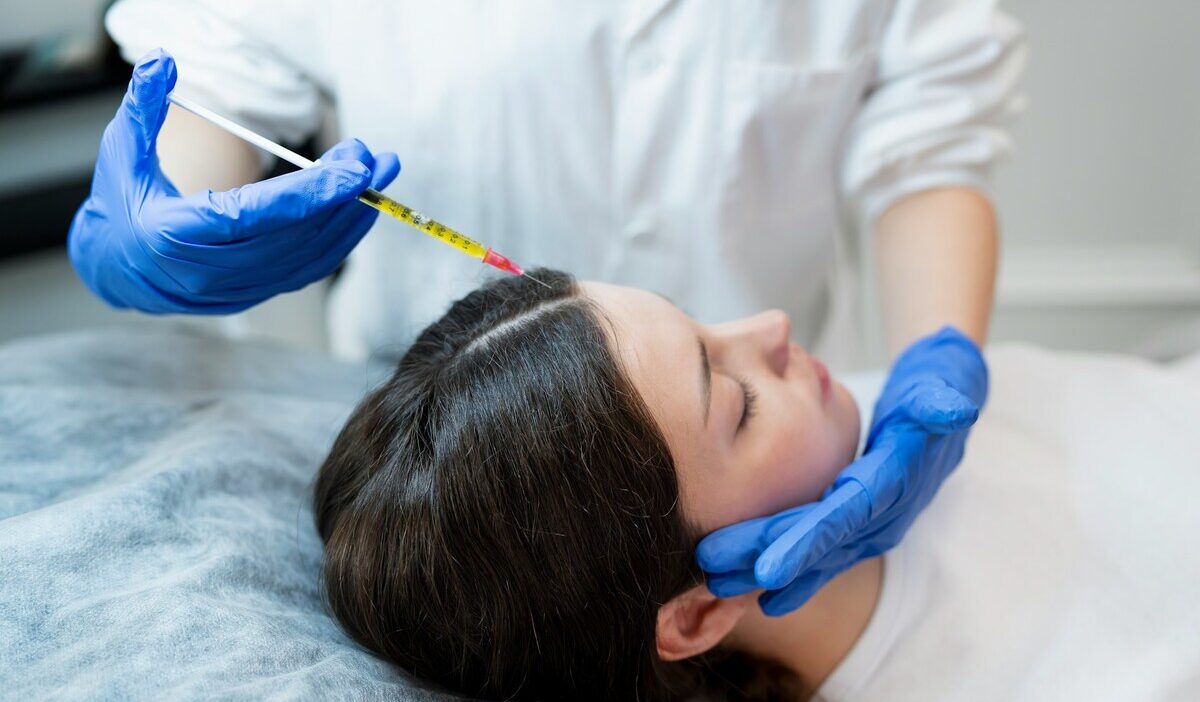
Does Medicaid cover dermatology? In most states, yes, but the scope of coverage depends on whether the visit is medically necessary and which Medicaid plan you are enrolled in.
Routine skin care and cosmetic treatments are generally excluded, while conditions like acne, eczema, psoriasis, and skin cancer typically qualify when they require medical treatment.
This guide breaks down what Medicaid covers at a dermatologist, how coverage works in Virginia, Texas, and North Carolina, and what you need to know about acne treatment and prescription coverage.
Does Medicaid Cover Dermatology?
Medicaid can cover dermatology visits and treatments, but coverage is not uniform across all states.
The federal government sets minimum requirements for Medicaid programs, and states have flexibility to expand benefits beyond those minimums. As a result, what is covered in one state may not be covered in another.
In states where dermatology is covered, visits must be medically necessary. This means a diagnosed skin condition – not a general wellness check or cosmetic concern – must be driving the appointment.
Is Dermatology a Mandatory or Optional Medicaid Benefit?
Dermatology is classified as an optional benefit under federal Medicaid rules, not a mandatory one.
This means states are not required to cover it, though most do include some level of dermatology services in their programs. Coverage is more commonly available through Medicaid managed care plans than through traditional fee-for-service Medicaid.
If you are unsure whether your plan includes dermatology, check your member handbook or call your plan directly. Managed care enrollees may also need to stay within their plan’s provider network to receive covered services.
What Dermatology Services Medicaid Typically Covers
When dermatology is included as a benefit, Medicaid commonly covers:
- Office visits for diagnosis and treatment of medically necessary skin conditions
- Prescription medications for conditions such as acne, eczema, and psoriasis
- Skin biopsies when cancer or another serious condition is suspected
- Treatment of skin infections, including bacterial and fungal conditions
- Cryotherapy or other removal procedures for precancerous or problematic lesions
- Phototherapy for conditions like psoriasis or vitiligo, when clinically indicated
Coverage for any of these services depends on your specific state plan and whether the treatment is medically justified and documented by your provider.
What Medicaid Does Not Cover at a Dermatologist
Medicaid will not pay for dermatology services that are cosmetic or elective in nature. Common exclusions include:
- Botox injections or fillers for cosmetic purposes
- Laser hair removal
- Chemical peels or microdermabrasion are performed for aesthetics
- Treatment of age spots, stretch marks, or scars without a clinical indication
- Routine skin care consultations without a diagnosed medical condition
Even if a procedure is performed by a dermatologist, Medicaid will deny claims where the primary purpose is appearance improvement rather than medical treatment.
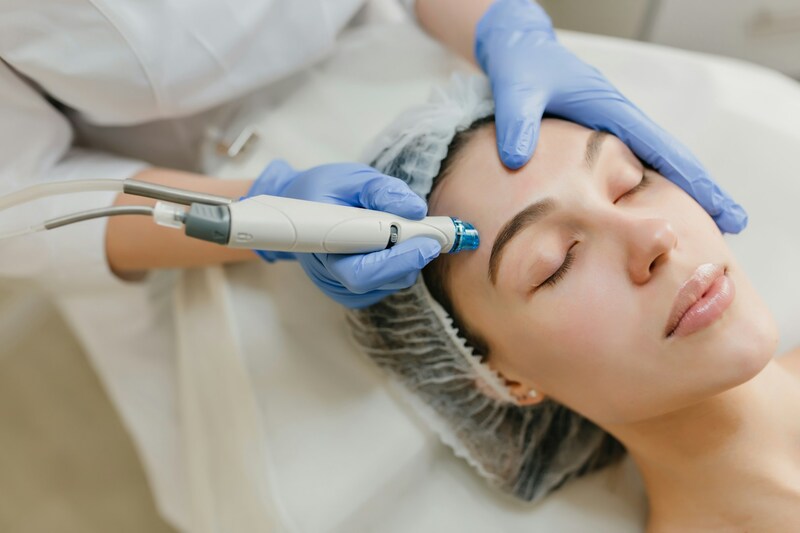
Does Medicaid Cover Dermatology for Acne and Common Skin Conditions?
Acne, eczema, psoriasis, and skin cancer are among the most common reasons people seek dermatology care.
Medicaid covers these conditions when they meet the medical necessity standard, meaning the condition causes physical symptoms, functional impairment, or poses a health risk that requires professional treatment.
When Acne Treatment Is Considered Medically Necessary Under Medicaid
Mild acne treated with over-the-counter products is unlikely to qualify for Medicaid dermatology coverage.
However, moderate to severe acne – especially cystic or nodular acne that causes scarring, pain, or has not responded to basic treatment, is generally considered medically necessary.
In these cases, Medicaid may cover office visits with a dermatologist, prescription topical treatments, oral antibiotics, and, in some states, isotretinoin (Accutane) when other treatments have failed.
Documentation of prior treatment attempts strengthens the case for coverage.
>>> Read more: Does Medicaid Cover Weight Loss Surgery? TX, NC & Skin Removal
Eczema, Psoriasis, and Skin Cancer Coverage Under Medicaid
Chronic skin conditions like eczema (atopic dermatitis) and psoriasis are typically covered when they are moderate to severe and require ongoing medical management.
Medicaid may cover prescription-strength topical corticosteroids, immunomodulators, and, in some plans, biologic medications for severe cases, though biologics often require prior authorization.
Skin cancer is generally well covered. Diagnostic biopsies, pathology, excisions, and follow-up care for basal cell carcinoma, squamous cell carcinoma, and melanoma are medically necessary services that Medicaid covers in most states. Early detection and treatment are a priority under most state programs.
For more information on covered dermatology services, the Medicaid.gov website provides guidance on optional and mandatory benefits by state.
How to Get a Referral for Dermatology Through Medicaid
Whether you need a referral depends on your specific Medicaid plan. Traditional fee-for-service Medicaid in many states allows direct access to specialists, including dermatologists, without a referral.
However, if you are enrolled in a Medicaid managed care organization (MCO), a referral from your primary care provider is usually required before a dermatology visit will be covered.
To avoid a denied claim, contact your plan before scheduling. Ask whether a referral is needed, whether the dermatologist you want to see is in-network, and whether prior authorization is required for any procedures. Getting these answers upfront prevents unexpected out-of-pocket costs.
Medicaid Dermatology Coverage
Because each state runs its own Medicaid program, coverage for dermatology services differs significantly. Below is a summary of how three states handle Medicaid dermatology coverage.
Does Medicaid Cover Dermatology in Virginia?
Virginia Medicaid covers dermatology for medically necessary skin conditions. Virginia operates primarily through managed care plans under the Cardinal Care program.
Members typically need to stay within their plan’s network and may need a referral from their primary care provider before seeing a dermatologist. Coverage includes treatment for conditions such as acne, eczema, psoriasis, and skin cancer when medically documented.
Does Medicaid Cover Dermatology in Texas?
Texas Medicaid – delivered through managed care programs including STAR and CHIP – covers dermatology when services are medically necessary. Texas Medicaid members are generally required to use in-network providers and may need prior authorization for certain treatments.
Specialty referrals through a primary care provider are common in Texas managed care plans. Dermatology services for skin infections, lesion removal, and chronic skin conditions are among the covered benefits.
Does Medicaid Cover Dermatology in NC?
North Carolina Medicaid covers dermatology services for eligible members with diagnosed skin conditions. NC transitioned to a managed care model called NC Medicaid Managed Care, which means most members are enrolled in a health plan that manages their specialty access.
A referral from your primary care provider may be required before dermatology visits are approved. Coverage in NC includes treatment for acne, eczema, psoriasis, skin cancer screening, and related prescription medications.
>>> Read more: Chiropractor That Takes Medicaid: How to Easy Find One Near You in 2026
FAQs
Do I Need a Referral to See a Dermatologist With Medicaid?
It depends on your plan. If you are in a Medicaid managed care plan, a referral from your primary care provider is typically required before you can see a dermatologist and have the visit covered. If you are on traditional fee-for-service Medicaid, you may be able to see a participating dermatologist directly without a referral. Always confirm with your plan before scheduling to avoid coverage issues.
Does Medicaid Cover Dermatology Prescriptions Like Accutane?
Medicaid may cover isotretinoin (commonly known as Accutane) for severe acne that has not responded to other treatments.
Because isotretinoin requires strict monitoring and carries serious risk warnings, coverage usually involves prior authorization, documentation of failed prior treatments, and enrollment in the iPLEDGE risk management program. Not all state Medicaid plans cover it, so check with your plan directly.
Conclusion
Does Medicaid cover dermatology? For most medically necessary skin conditions, yes. Coverage for acne, eczema, psoriasis, skin cancer, and related prescriptions is available in most states, though the details depend on your specific plan and whether you meet medical necessity criteria.
In states like Virginia, Texas, and North Carolina, managed care plans handle most dermatology referrals, so connecting with your primary care provider first is usually the right starting point. Contact your state Medicaid plan to confirm current benefits and find an in-network dermatologist near you.