
Dual SIM phones let you manage two mobile lines on one device, but the setup is not always the same. Depending on the model, those lines may use two physical SIMs, a physical SIM plus an eSIM, or two eSIMs, and the way both lines behave during calls and data use can also vary.
That flexibility can be useful for work and personal numbers, travel, or using two different carriers for broader coverage options. Read on to see how Dual SIM works, which configurations are available, and what to check before choosing a phone or combining two networks.
1. What Are Dual SIM Phones?
A dual SIM phone lets you set up and use two separate phone numbers or cellular plans on one device, although how simultaneously active the two lines are depends on the phone’s dual-SIM design.
Instead of carrying two separate phones, you can keep both lines active on one device. This is useful for separating personal and work calls, using different plans while traveling, or combining coverage from two carriers.
2. How Do Dual SIM Phones Work?
Dual SIM phones achieve this using a few different technical setups, depending on the device.
- Dual SIM Dual Standby (DSDS): Both lines remain registered and ready while the phone is idle. When one line is actively being used for a call, the other may become temporarily unavailable for calls depending on the device and carrier setup. Mobile data also normally uses one selected line at a time.
- Dual SIM Dual Active (DSDA): The phone can maintain active cellular connections for both lines at the same time, allowing more simultaneous activity than DSDS. Exact call, messaging, and data behavior still depends on the device and carrier support.
- Physical + eSIM: Some dual SIM phones combine one physical nano-SIM with one eSIM. Other newer devices can keep two eSIMs active instead, so the available configuration depends on the model, region, and carrier. Apple, for example, supports dual eSIM on iPhone 13 models and later.
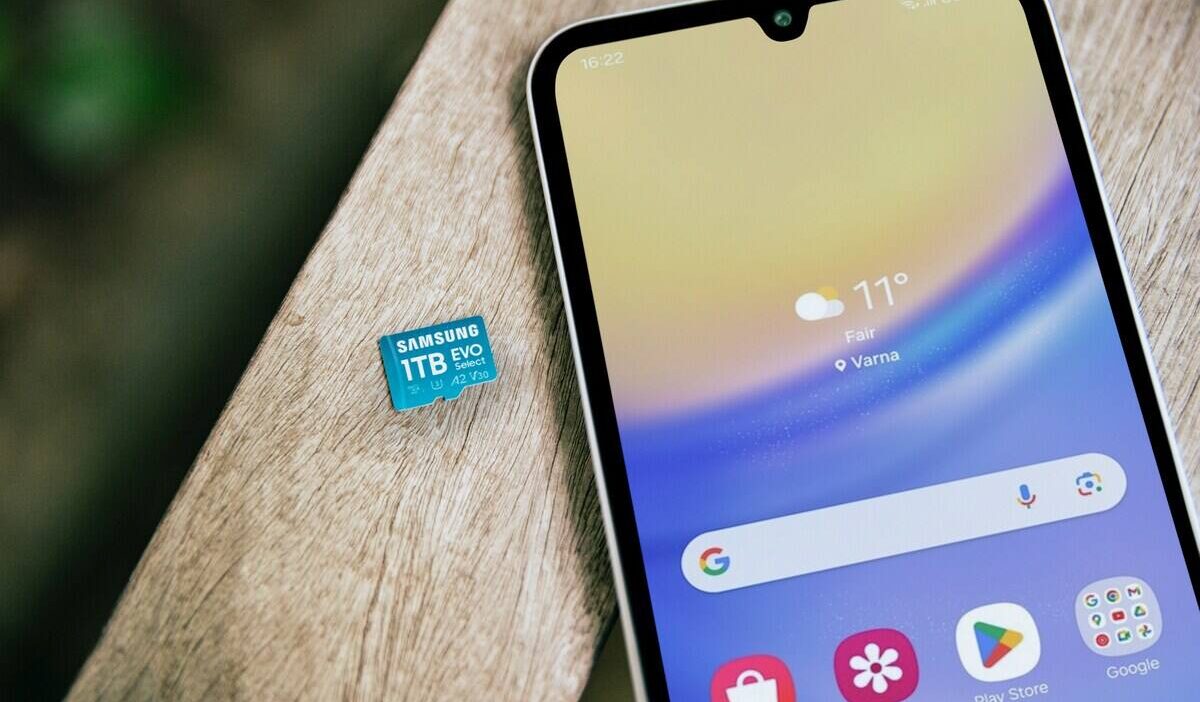
- Hybrid Slot: A single tray fits either a second nano-SIM card or a microSD memory card. You have to choose between adding extra storage or a second phone line, not both
3. Can Dual SIM Phones Be on Different Networks?
Yes, dual SIM phones can be on different networks when the device is unlocked and both carriers support the phone and SIM configuration.
If the phone is carrier-locked, you may be limited to plans from the carrier it is locked to. On iPhone, Apple specifically requires an unlocked device when the two plans come from different carriers.
>>> Read more: Why Does My Phone Say SOS? Causes and How to Fix It Easily
4. Benefits and Limitations of Using Two SIMs
Running two SIM cards offers real advantages; consider the following:
| Benefits | Limitations |
| – Personal and work separation: Keep a work number and a personal number on the same device without carrying two phones – Travel: Add a local SIM in the country you’re visiting while keeping your home number active for calls and texts -Coverage flexibility: Using two different carriers gives you another network option when one has poor coverage. Depending on the device, you may need to switch the preferred data line manually, while some phones offer limited automatic data-switching features. – Different plans: Pair a cheap data-only plan with a talk-and-text plan, or mix prepaid and postpaid lines depending on what each offers | – Battery use: Keeping two active connections, especially with DSDA, can use slightly more battery than a single-SIM setup – Data-line limitations: On most phones, only one line can use data at a time, even if both can receive calls – Hybrid-slot tradeoffs: If your phone uses a hybrid slot, adding a second SIM means giving up expandable storage, and vice versa |
5. What Phones Have Dual SIM?
Dual SIM support varies by brand and model. Here are some of the most common options:
- Samsung Galaxy: Many Samsung dual SIM phones support two mobile lines through combinations of physical SIM and eSIM, while some regional models also support two physical SIMs. Check the exact Galaxy model and regional specifications because the configuration varies.
- Oppo, OnePlus, and Xiaomi: Many models from these brands offer dual-SIM support, often through two physical SIMs or a combination involving eSIM. Availability varies by model and region, so check the exact specifications before buying.
- Apple iPhone: Recent iPhones support several Dual SIM configurations depending on the model and region. iPhone 13 models and later can use two active eSIMs, while models with a physical SIM tray may also support one nano-SIM plus one eSIM. Certain regional iPhones support two physical nano-SIM cards.
- Google Pixel: Compatible Pixel phones support dual SIM using physical SIM and eSIM, while eligible newer models can also use two eSIM profiles at the same time when carrier support allows it.
Availability can vary by region and carrier, so it’s worth checking the specific model and market variant before assuming a phone supports dual SIM.
6. Want a Free Dual SIM Phone That Fits Your Needs?
Since not every phone supports dual SIM out of the box, cost can be a real factor when shopping for one that does. The good news is that some eligible households can get a smartphone with dual SIM at no cost through Lifeline’s carriers who partner with the federal Lifeline program.
Lifeline is a government assistance program that help eligibile hosuehold to stay connected without breaking their budget. The program provides a monthly discount on wireless service.
Eligibility is based on income or enrollment in qualifying programs such as Medicaid, SNAP, or SSI.
What’s matter is that the program works with Eligible Telecommunications Carriers (ETCs) like AirTalk Wireless to deliver the benefit.
And these carrier my goes further by offering more.
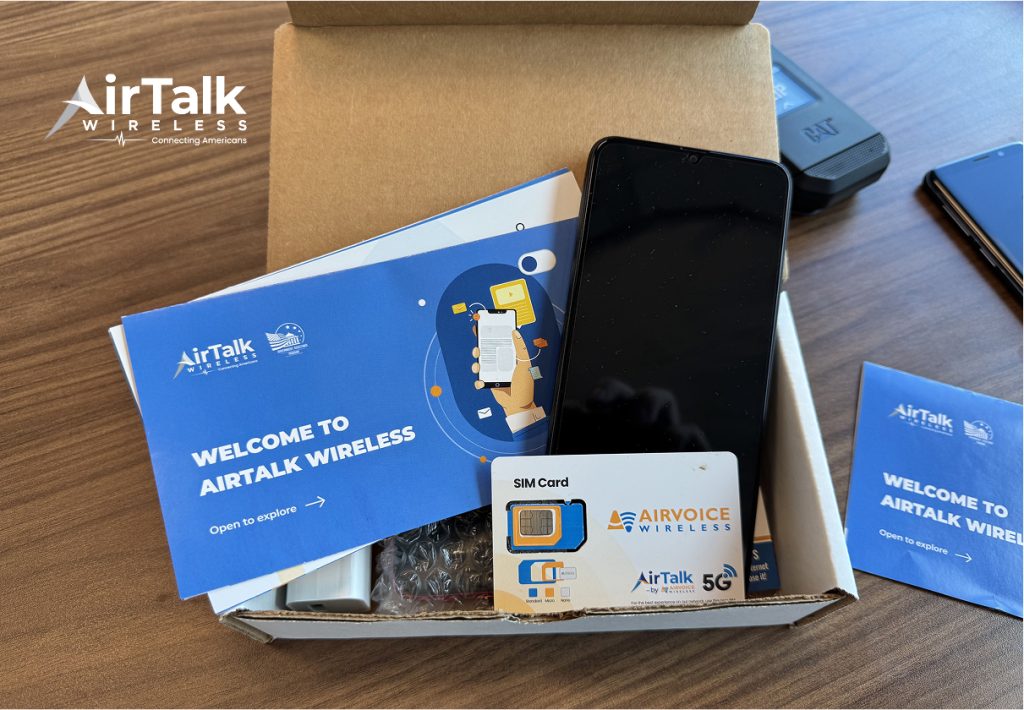
As a well-known ETC, AirTalk Wireless offers the Lifeline plan including a free smartphone, which can be a dual-SIM phone (depending on the carrier’s stock) and $0 monthly service (unlimited talk, text, and monthly data).
IMPORTANT: The government does not subsidize devices. Lifeline programs cover basic service costs only. Free or discounted devices, upgrade plans, or top-ups are exclusive benefits provided by AirTalk Wireless as part of our promotional offers. Terms and conditions apply. Limited-time promotion—offers vary by state, stock availability, and eligibility.
>>> Read more: Free Phones for Senior Citizens: How to Qualify and Apply
7. Frequently Asked Questions
Q1. What is the point of having a dual SIM phone?
It lets you manage two phone numbers or plans on one device. Common reasons include separating personal and work calls, using a local SIM while traveling, or combining coverage from two different carriers.
Q2. What are the disadvantages of a dual SIM phone?
On many DSDS phones, both lines are available while the phone is idle, but the second line may become temporarily unavailable for calls while the first is in use. Dual SIM can also use slightly more power, and mobile data normally runs through one selected line at a time.
Q3. Are phones dual SIM?
Not all phones support dual SIM. It depends on the brand, model, and sometimes the regional version of the device. Always check the specific model’s specifications before assuming dual SIM support.
Q4. Can any phone be dual SIM?
No. The phone must support Dual SIM through its hardware and software. However, a device with only one physical SIM slot may still support Dual SIM if it also has eSIM capability, so having one physical tray does not automatically mean the phone is single-SIM.
Final Words
Using two lines on one phone can simplify travel, separate work from personal calls, and give you more flexibility when choosing mobile plans. The key is knowing that not every Dual SIM setup works the same way, especially when it comes to simultaneous calls, mobile data, eSIM support, and carrier restrictions.
Before buying, check the exact model, regional variant, lock status, and supported SIM configuration. That matters more than simply seeing “Dual SIM” on the spec sheet, and it helps you choose a device that actually fits the way you plan to use both lines.