

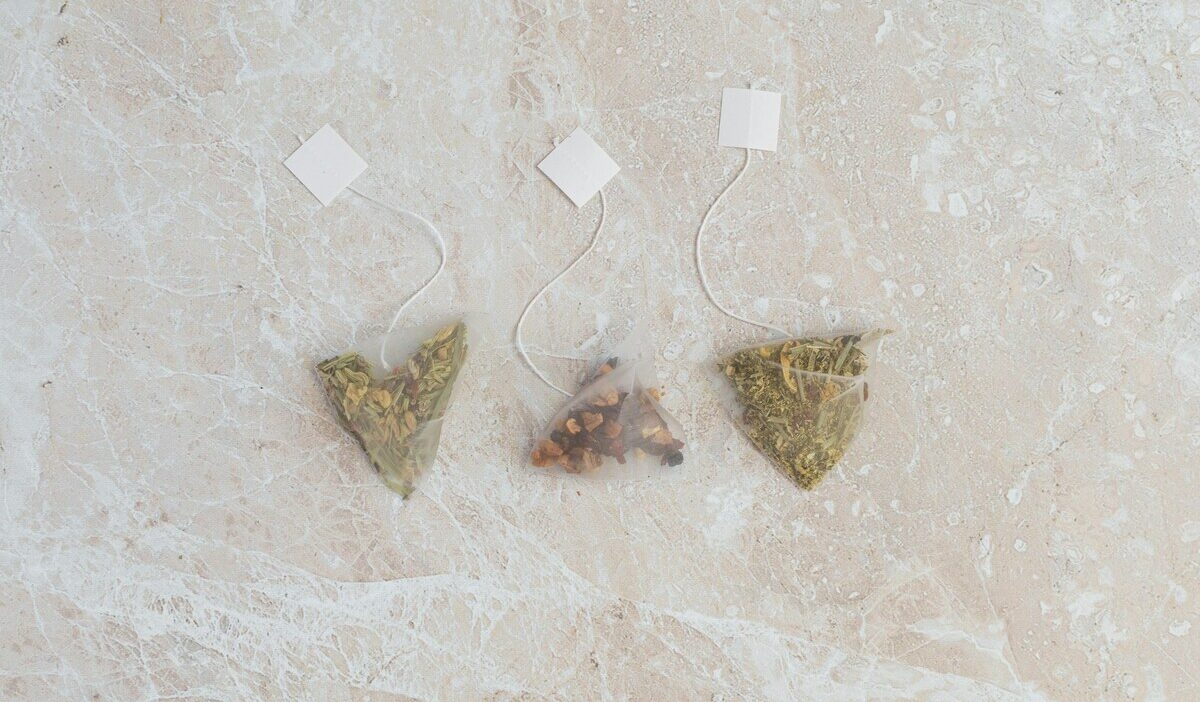
Hormone balance tea is a useful starting point for understanding which teas have evidence behind them, what that evidence actually shows, and how tea fits into a broader picture of hormonal health. This guide covers five commonly recommended teas, how to match them to specific concerns, and important safety considerations.
1. Can Tea Really Help Support Hormonal Health?
Some teas have research showing measurable effects on specific hormones, particularly for mild symptoms related to PMS, PCOS, and stress.
The effects tend to be modest rather than dramatic, and they are most noticeable with consistent use over weeks rather than after a single cup.
Tea is not a treatment for diagnosed hormone conditions. It does not replace medication for hypothyroidism, does not regulate PCOS the way hormonal birth control or metformin can, and does not address the underlying cause of menopause symptoms.
And for those who are searching for hormone balancing tea, note that tea works best as a small supportive habit, not as a substitute for medical care when a condition has been diagnosed.
2. Popular Teas Associated With Hormonal Health
Five teas come up most often in discussions of hormonal health, or have even been implied by some online discussions as a hormonal balance tea (not really a medically official term). Each has a different evidence base and a different primary use.
Spearmint tea. Spearmint has some of the most direct research related to hormone-associated symptoms, particularly androgen-related symptoms in women with PCOS.
Studies have found that drinking spearmint tea twice daily for one to two menstrual cycles is associated with reduced markers of androgen excess (such as testosterone) in women with PCOS, along with reported improvements in hirsutism. The effect is modest but consistently observed across several small studies.
Green tea. Green tea contains catechins that have been studied for effects on insulin sensitivity and metabolism.
Some research links regular green tea consumption to modest improvements in insulin resistance, which is relevant to PCOS and metabolic hormone balance. The caffeine content is worth noting for people sensitive to caffeine’s effect on cortisol. This may be the reason people are searching for green tea for hormonal balance
Chamomile tea. Chamomile is most studied for its calming effects rather than direct hormone action.
By supporting relaxation and sleep quality, chamomile may indirectly support healthier cortisol rhythms. Some smaller studies have also looked at chamomile for menstrual cramp relief, with modest positive findings.
Red raspberry leaf tea. Red raspberry leaf has a long history of traditional use for menstrual and reproductive health, although modern clinical evidence supporting these uses remains limited.
Research is limited, mostly to small studies, but it remains one of the most commonly recommended teas for menstrual discomfort. It is also widely discussed in pregnancy contexts, which is addressed in the safety section below.
Licorice root tea. Licorice root has documented effects on cortisol metabolism, since compounds in licorice can slow how quickly the body breaks down cortisol.
This is sometimes framed as supportive for adrenal health, but it can also raise blood pressure and lower potassium with regular use, which makes it one of the teas requiring the most caution.
>>>Read more: How can you balance your hormones naturally?
3. Choosing a Tea Based on Your Concern
Matching a balancing hormones tea to a specific concern makes sense of the options above. None of these are guaranteed fixes, but each has a primary area where the evidence is strongest.
- PMS: Chamomile (for cramps and relaxation) and red raspberry leaf (traditionally used for menstrual comfort) are the most commonly chosen options.
- PCOS: spearmint has the most direct research support, particularly for androgen-related symptoms. Green tea may offer additional support through its effects on insulin sensitivity.
- Menopause: chamomile for sleep and stress support during a time when both are commonly disrupted. No tea on this list directly addresses estrogen decline, which is the core driver of menopause symptoms. Though some may help manage symptoms such as sleep disruption or stress.
- Stress: Chamomile is the most consistently recommended for its calming effect, which can indirectly support a healthier cortisol pattern over time.
4. How to Incorporate Tea Into a Hormone-Friendly Lifestyle
Tea works best as one piece of a broader set of habits, not as the centerpiece of a hormone-focused routine.
- Diet. A diet with adequate protein, healthy fats, and fiber supports hormone production and regulation far more than any single tea can. Tea can be one part of a meal or snack routine, but it does not substitute for the nutrients and hormones that are built from.
- Sleep. A calming tea like chamomile as part of a wind-down routine can support the broader goal of consistent, good-quality sleep, which has a far larger effect on hormone regulation than the tea itself.
- Stress management. The ritual of making and drinking tea can itself be a small stress-reduction practice, separate from any direct effect of the tea’s compounds. This ritual value should not be underestimated alongside any biochemical effects.
- Tea as one component. The most realistic way to use hormone balance tea is as a small, consistent addition to habits that already support hormonal health: regular meals, movement, sleep, and stress management.
>>> Read more: Guide to Creating an Ideal Toddlers Bedtime Routine
5. Important Safety Considerations
Herbal teas are not automatically safe simply because they are natural. A few groups need to be more careful than others.
Pregnancy. Red raspberry leaf tea is widely discussed in pregnancy, often associated with late-pregnancy use, but recommendations vary, and it is generally advised against in early pregnancy. Licorice root is generally advised against during pregnancy due to its hormonal effects.
Because evidence regarding safety during pregnancy remains limited, pregnant individuals should discuss red raspberry leaf tea with their healthcare provider before use, particularly during early pregnancy.
Medications. Licorice root can interact with blood pressure medications and diuretics due to its effects on potassium and blood pressure. Green tea’s caffeine can interact with some medications and supplements.
Existing hormone disorders. People with thyroid conditions, PCOS, or other diagnosed hormone disorders should treat tea as a complement to their treatment plan, not a substitute. The National Center for Complementary and Integrative Health provides evidence summaries on individual herbs, which can help inform conversations with a doctor about whether a specific tea makes sense alongside existing treatment.
6. FAQs
Are Hormone Balancing Teas Safe to Drink Every Day?
For most healthy adults, moderate daily use of teas like spearmint, green tea, or chamomile is generally considered safe. Licorice root is the exception, since regular daily use over weeks can affect blood pressure and potassium levels. Rotating teas and avoiding daily licorice root for extended periods is a reasonable precaution for most people.
Can Men Drink Hormone Balancing Tea?
Yes. Green tea’s effects on insulin sensitivity and chamomile’s calming effects are not specific to women. Spearmint and red raspberry leaf are studied primarily in women’s health contexts (PCOS and menstrual health), so their relevance to men is less established, but they are not known to be harmful for men in normal amounts.
Should You Talk to a Doctor Before Starting?
If you are pregnant, on medication, or have a diagnosed hormone condition, yes. For generally healthy adults, adding a cup or two of a common tea like chamomile or green tea, it is a low-risk addition, though mentioning it at a routine appointment is reasonable, especially if you plan to drink it regularly.
7. Conclusion
Hormone balance tea is a small, supportive habit with real research behind some options, particularly spearmint for PCOS-related symptoms and chamomile for sleep and stress. The effects are modest and build over weeks, not single servings.