
Is pesto healthy? Yes, in the right amounts. Pesto is made from whole food ingredients with real nutritional value.
But it is also calorie-dense and high in fat. Whether it benefits your diet depends on how much you use and what you pair it with.
A tablespoon of pesto is not the same as eating a bowl of pesto. Portion size is the most important factor in how pesto fits into a healthy diet.
1. Is Pesto Healthy For You and When It Is Not
Pesto can be a healthy addition to your diet. It can also work against your goals if you use too much or rely on low-quality jarred versions with additives.
1.1 Key Nutrients and Health Benefits of Pesto’s Core Ingredients
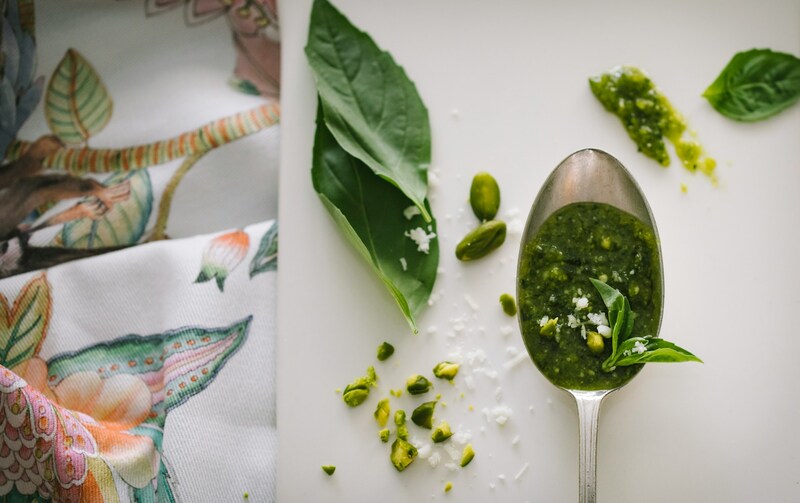
Traditional pesto contains basil, olive oil, pine nuts, Parmesan cheese, and garlic. Each ingredient contributes something:
- Olive oil. A source of monounsaturated fat, specifically oleic acid. Associated with reduced inflammation and cardiovascular health when used as part of a balanced diet.
- Basil. Contains vitamin K, vitamin A, and antioxidant compounds, including eugenol. Basil contains antioxidant compounds that have been studied for potential anti-inflammatory effects.
- Pine nuts. Provides magnesium, zinc, and vitamin E. Also contains pinolenic acid, a fatty acid being studied for its possible role in satiety and appetite regulation.
- Garlic. Contains allicin, a compound that has been studied for potential antimicrobial and cardiovascular effects.
- Parmesan. Adds calcium and protein. Also adds sodium, which is worth noting.
>>> Read more: Batana Oil for Hair: Uses, Benefits, Safety & What to Expect
1.2 The Fat, Sodium, and Calorie Concerns You Should Know
A two-tablespoon serving of pesto contains roughly 150 to 180 calories and 14 to 16 grams of fat, mostly from olive oil and pine nuts. This is not a problem if pesto is used as a flavor accent. Large portions can significantly increase the calorie and sodium content of a meal.
Sodium is the other concern. Store-bought pesto can contain 300 to 500 milligrams of sodium per two tablespoons, which is 13 to 22% of the recommended daily limit. Homemade versions allow you to control this directly.
The fat in pesto is predominantly unsaturated and comes from quality sources. Most of the fat comes from unsaturated sources such as olive oil and nuts rather than heavily processed fats. The concern is caloric density, not fat type.
1.3 How Portion Size Changes Whether Pesto Is Good for You
One tablespoon of pesto on a dish adds about 75 to 90 calories and genuine flavor. That is a reasonable trade for the nutritional benefits it brings.
Four tablespoons of pesto stirred through a large pasta portion adds 300 to 360 calories from pesto alone, before the pasta is counted. At that quantity, the calorie and sodium load become significant.
Using pesto in moderate amounts helps keep the calorie balance reasonable while still adding strong flavor. A small amount goes a long way. This keeps the nutritional balance in your favor.
2. Basil Pesto vs Other Types?
It is also people’s concern when searching for is basil pesto healthy. Though the real answer needs a much closer look.
Traditional basil pesto is often considered one of the more balanced pesto varieties nutritionally. It uses whole food ingredients with no fillers.
Red pesto and commercial varieties vary significantly.
2.1 Traditional Basil Pesto vs Red Pesto vs Store-Bought Varieties
- Traditional basil pesto made from fresh ingredients is generally the simplest and least processed version.
- Red pesto replaces basil with sun-dried tomatoes, which adds lycopene but also more sugar and sodium in most commercial versions.
- Store-bought pesto often contains modified starch, extra salt, preservatives, and cheaper oils in place of some or all of the olive oil.
These additions may increase sodium or reduce the proportion of traditional whole-food ingredients.
Check the ingredient list. A good store-bought pesto should list basil and olive oil as the first ingredients, not sunflower oil or starch.
2.2 Homemade vs Jarred Pesto: The Nutritional Difference
Homemade pesto gives you full control. You decide the olive oil quality, the salt level, and whether to use Parmesan or a lower-sodium alternative. You can also increase the basil proportion for more micronutrients with fewer calories.
Jarred pesto prioritizes shelf life and cost over nutrition. Sodium content is typically higher, and cheaper oils are common substitutes for extra virgin olive oil.
For regular use, homemade pesto often allows better control over sodium, oil quality, and ingredient freshness. Jarred pesto used occasionally as a convenience is acceptable if you choose a quality brand.
3. Is Pesto Pasta Healthy, or Is It Just A Rumor?
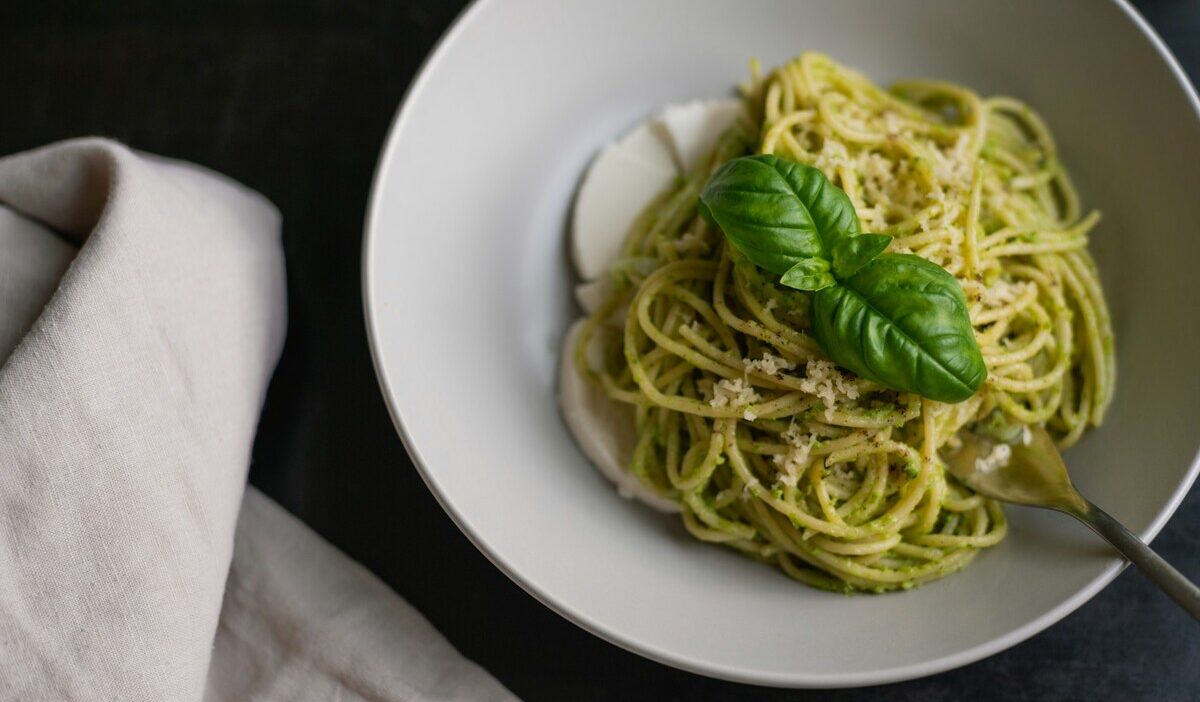
Pesto pasta can be healthy. It depends on the pasta type, the pesto quantity, and the rest of the meal.
Whole-grain or legume-based pasta adds fiber that refined white pasta lacks. Combined with a modest amount of pesto sauce as seasoning rather than a heavy coating, the dish provides complex carbohydrates, healthy fat, and some protein from the cheese and nuts.
Is pesto sauce healthy when served with pasta? Yes, if the quantity stays around one to two tablespoons per serving. Adding grilled chicken, shrimp, or roasted vegetables improves the protein and fiber content of the meal further.
Where pesto pasta goes wrong is the overuse of pesto and a large pasta portion. At three or four tablespoons of pesto per serving on a large plate of white pasta, the calorie density increases quickly relative to the portion size.
4. Can Pesto Be a Good Option for Weight Loss and Specific Diets?
Pesto can support weight loss when used in moderation. The healthy fats in pesto may help meals feel more satisfying. The flavor intensity means a small amount satisfies more than a mild sauce would, which may help some people feel satisfied with smaller portions.
For specific diets:
- Mediterranean diet. Pesto is a natural fit. Olive oil, basil, garlic, and nuts are foundational Mediterranean ingredients.
- Keto and low-carb. Traditional pesto is very low in carbohydrates. It fits well on a keto plate with protein and non-starchy vegetables.
- Vegetarian. Standard pesto is vegetarian. It is not vegan due to Parmesan, but nutritional yeast can substitute for a vegan version.
- Calorie-controlled diets. Pesto requires careful portioning. Used as a tablespoon condiment, it fits. Used as a sauce in large quantities, it does not.
The Harvard T.H. Chan School of Public Health notes that replacing saturated fat with monounsaturated fat from sources like olive oil is associated with reduced cardiovascular risk, which supports the role of quality pesto in a healthy diet.
>>> Read more: How to Move to Another State 5 Smart Strategies Must Know
5. FAQs
Can I Use Pesto If I Have High Cholesterol?
Yes, you can! The olive oil and nuts in pesto contain heart-healthy monounsaturated fats that can help support healthy cholesterol levels. We’d just recommend keeping portions to 1–2 tablespoons, as the Parmesan adds a little saturated fat.
Is Pesto Healthy for Kids to Eat Regularly?
Yes, pesto is appropriate for children in normal amounts. It provides healthy fat, calcium, and some vitamins.
The main consideration for children is sodium, especially with store-bought versions. Homemade pesto with less added salt may be a more balanced option for regular use with children.
How Much Pesto Per Day Is Considered Healthy?
For most adults, 1–2 tablespoons per day is a great place to be, enough to enjoy the flavor and nutritional benefits without going overboard on sodium or calories.
If you’re watching your calorie intake, we’d suggest sticking closer to 1 tablespoon. Regularly having more than 3–4 tablespoons can add up in calories and sodium over time.
Is Store-Bought Pesto as Healthy as Homemade?
Homemade pesto is generally the healthier choice, as store-bought versions often contain more sodium, lower-quality oils, and additives. That said, some premium brands come pretty close. Just look for ones where olive oil is the first fat listed, and sodium is on the lower side. A quick check of the ingredient list goes a long way!
6. Conclusion
Is pesto healthy? Yes, when used in sensible portions. The ingredients in traditional pesto are genuinely nutritious. Olive oil, basil, garlic, and nuts all contribute to health when eaten as part of a balanced diet.
The concern with pesto is not the ingredients. It is the quantity. Use it as a flavor accent rather than a sauce. Choose a homemade or a quality store-bought version. Keep portions to one to two tablespoons.
At that level, pesto is one of the better condiment choices available.