
Is Chinese food healthy? Traditional Chinese cooking is genuinely nutritious. American-Chinese restaurant food is a different category. Understanding the distinction is the most useful thing you can do before making a judgment or an order.
Chinese cuisine spans dozens of regional traditions, many of which emphasize vegetables, tofu, seafood, rice, and balanced cooking methods. What most Westerners know as Chinese food is a heavily adapted version built around fried preparations, thick sauces, and large portions.
1. Is Chinese Food Healthy for You? Traditional vs Westernized Chinese Cuisine
1.1 What Traditional Chinese Cooking Actually Looks Like Nutritionally
Traditional Chinese cooking is predominantly plant-forward. Vegetables, tofu, legumes, and seafood form the foundation of most regional cuisines.
Cooking methods like steaming, poaching, and quick stir-frying and steaming help preserve texture and nutrients while keeping meals relatively balanced.
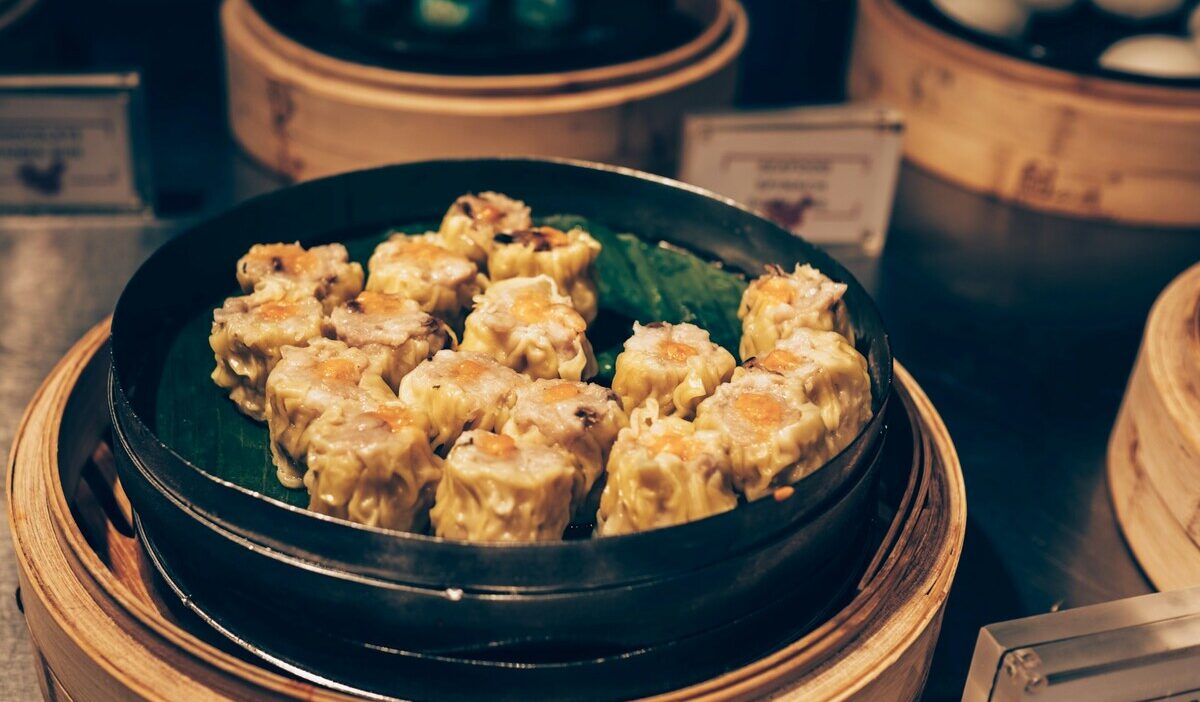
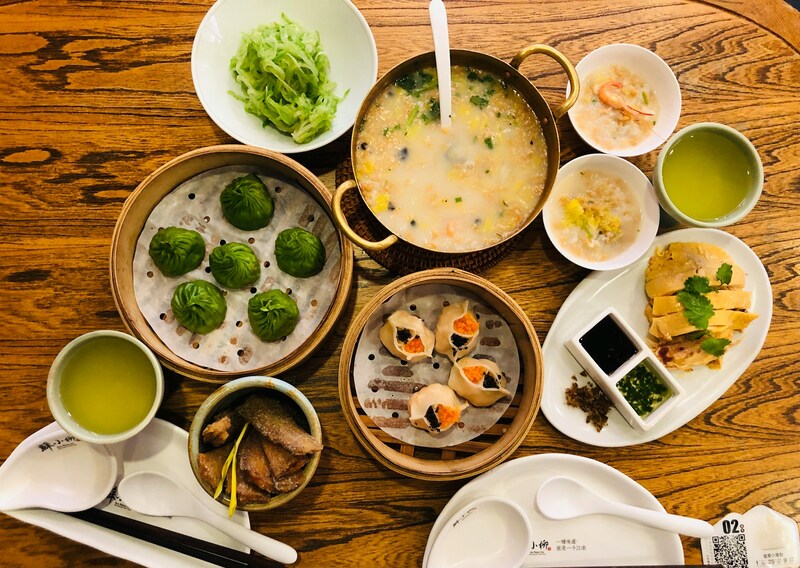
Dim sum dishes like steamed dumplings, congee, and stir-fried greens with garlic reflect this tradition. Dishes like hot pot, where ingredients are cooked in broth at the table, are low in added fat and high in vegetables and lean protein.
Fermented ingredients like fermented black bean paste, soy-based sauces, and vinegar-based condiments add flavor complexity without significant calories.
Traditional Chinese meals often balance multiple flavor profiles, which can make dishes satisfying without relying entirely on sweetness.
1.2 Why American-Chinese Restaurant Food Has a Different Health Profile
American-Chinese restaurant food was developed to suit Western palates and large portion expectations. Dishes were adapted to be sweeter, saltier, and often fried.
General Tso’s chicken, sesame chicken, and crab rangoon are heavily Americanized dishes that differ substantially from traditional Chinese cooking. They were created for American restaurants.
Orange beef, egg foo yong in thick gravy, and deep-fried egg rolls are also primarily American inventions built on Chinese flavor concepts.
The result is a food category that uses Chinese ingredients and cooking influences but produces nutritional outcomes far removed from traditional Chinese eating patterns.
1.3 The Biggest Nutritional Concerns: Sodium, Oil, Sugar, and Portions
Sodium is the primary concern. Chinese restaurant dishes, particularly stir-fries and sauces, are built around soy sauce, oyster sauce, and hoisin sauce.
A single restaurant entree can contain 1,200 to 2,000 milligrams of sodium, which approaches or exceeds the general recommended upper limit of 2,300 milligrams per day for most adults.
Oil is the second concern. Dishes labeled as stir-fried at restaurants are often cooked with significantly more oil than in home cooking. Woks at high heat with several tablespoons of oil per dish add 200 to 400 calories before any food is counted.
Sugar appears in sweet sauces, glazes, and fried coatings. Sweet and sour sauce, teriyaki glaze, and General Tso’s sauce can add 15 to 25 grams of sugar per serving.
Portion sizes at American-Chinese restaurants are large, often two to three servings’ worth of food presented as a single entree.
>>> Read more: Is Pita Bread Healthy? Nutrition Facts, Benefits, and What to Watch
2. What Chinese Food Is Healthy to Order at a Restaurant?
2.1 Best Dishes to Order: Steamed, Stir-Fried, and Broth-Based Options
Steamed dishes are the healthiest category available at most Chinese restaurants:
- Steamed dumplings (not pan-fried or deep-fried). Fewer calories than their fried equivalents and contain protein and vegetables.
- Steamed fish with ginger and scallion. High protein, very low fat, minimal sodium compared to sauce-heavy alternatives.
- Steamed vegetables with sauce on the side. Gives you control over sodium intake.
- Moo goo gai pan. Chicken with mushrooms and vegetables in a light broth sauce. One of the lower-calorie entrees available at most Chinese restaurants.
- Buddha’s delight. A vegetarian dish of tofu and mixed vegetables. Low in calories and fat when not heavily sauced.
- Hot and sour soup or egg drop soup. Both are broth-based and lower in calories than fried appetizers, though sodium can be high.
2.2 Dishes to Limit: Fried Rice, Sweet and Sour, Egg Rolls, and Creamy Sauces
These dishes are worth eating less frequently or in smaller portions:
- Fried rice. A full restaurant portion contains 700 to 1,000 calories and significant sodium from soy sauce and added oils.
- Lo mein. Thick noodles in oil and soy sauce. A restaurant portion averages 600 to 900 calories.
- Sweet and sour chicken or pork. The meat is battered, deep-fried, then coated in a sugar-heavy sauce. One serving generally can contain 40 to 60 grams of sugar.
- Egg rolls. Each egg roll contains around 200 calories and is predominantly fried dough with minimal vegetable content.
- General Tso’s chicken. Typically, 700 to 1,100 calories per restaurant serving with high sodium and sugar.
2.3 Smart Ordering Swaps That Cut Calories Without Losing Flavor
How healthy is Chinese food at a restaurant depends heavily on ordering decisions. These swaps make a meaningful difference:
- Ask for sauce on the side. Dipping rather than coating reduces sodium and calories by 30 to 50%.
- Order steamed rice instead of fried rice. Saves 300 to 500 calories per meal.
- Choose tofu or shrimp over beef or duck. Lower in calories and saturated fat.
- Ask for less oil in stir-fried dishes. Most restaurant kitchens will accommodate this request.
- Split one entree between two people and add a steamed vegetable dish. Reduces caloric intake while still getting the flavors you want.
>>> Read more: Is Indian Food Healthy? The Real Answer Goes Beyond the Curry
3. Is Chinese Food Healthy for Weight Loss?
Many traditional Chinese dishes can fit well into a weight loss diet because they often emphasize vegetables, broth-based soups, tofu, and moderate portions.
Steamed, broth-based, and lightly stir-fried dishes are low in calories relative to their volume and satiety. A bowl of congee with toppings, steamed dumplings, or a vegetable stir-fry with tofu provides a filling meal well within a calorie-controlled budget.
American-Chinese restaurant food requires more attention. A single entree of General Tso’s chicken with fried rice can exceed 1,500 calories, which is a full day’s intake for many people on a calorie deficit.
The same restaurant meal ordered as steamed chicken with vegetables and steamed rice runs 400 to 600 calories for the same volume of food.
For weight loss, Chinese restaurant food is manageable with intentional ordering. Fried and sauced dishes are not off-limits but should be chosen less frequently and eaten in half-portions.
Research published in the Journal of the Academy of Nutrition and Dietetics consistently supports plant-forward, high-vegetable diets for long-term weight management, which aligns with the traditional Chinese dietary pattern.
4. FAQs
Is Chinese Food Healthy for Diabetics?
It can be! Traditional Chinese dishes built around vegetables, tofu, and steamed proteins are great choices. The main things to watch at restaurants are fried rice, noodle dishes, and sweet sauces, which can spike blood sugar quickly. A few simple swaps help a lot; opt for steamed brown rice, choose broth-based soups, and skip the sweet sauces. Pairing your carbohydrates with protein and vegetables also helps slow glucose absorption.
Is Chinese Food Healthy for Heart Patients?
Traditional Chinese cooking, with its emphasis on vegetables, fish, and minimal saturated fat, is actually quite heart-friendly. The main concern with restaurant versions is sodium, as a single meal can come close to the full daily recommended intake. A few smart ordering choices make a big difference: opt for steamed dishes, ask for less sauce, and request low-sodium soy sauce when available.
How Many Calories Are in a Typical Chinese Takeout Meal?
A standard order of one entrée with fried rice typically comes in at 900–1,500 calories. Add an egg roll and a sugary drink, and you can easily exceed 1,200 calories in one sitting. The good news is that simple swaps, like choosing steamed rice, one entrée, and a vegetable side, can bring the same meal down to just 500–700 calories.
Is Chinese Food Healthy if You Eat It Every Day?
It depends on how it’s prepared! Traditional home-cooked Chinese food, heavy on vegetables, fresh ingredients, and light on oil and sodium, is absolutely compatible with a healthy daily diet. American-Chinese takeout is a different story, as the consistently high sodium, oil, and sugar content can increase cardiovascular risk over time. If you love Chinese food every day, cooking it at home with controlled ingredients is the way to go.
5. Conclusion
Is Chinese food healthy? Traditional Chinese cuisine is among the most nutritious food cultures in the world. American-Chinese restaurant food is a different product with different nutritional outcomes.
The healthiest approach at a restaurant: choose steamed or broth-based dishes, request sauce on the side, replace fried rice with steamed rice, and control portion size. These choices make Chinese restaurant food a genuinely reasonable part of a healthy diet, not just an occasional indulgence.