
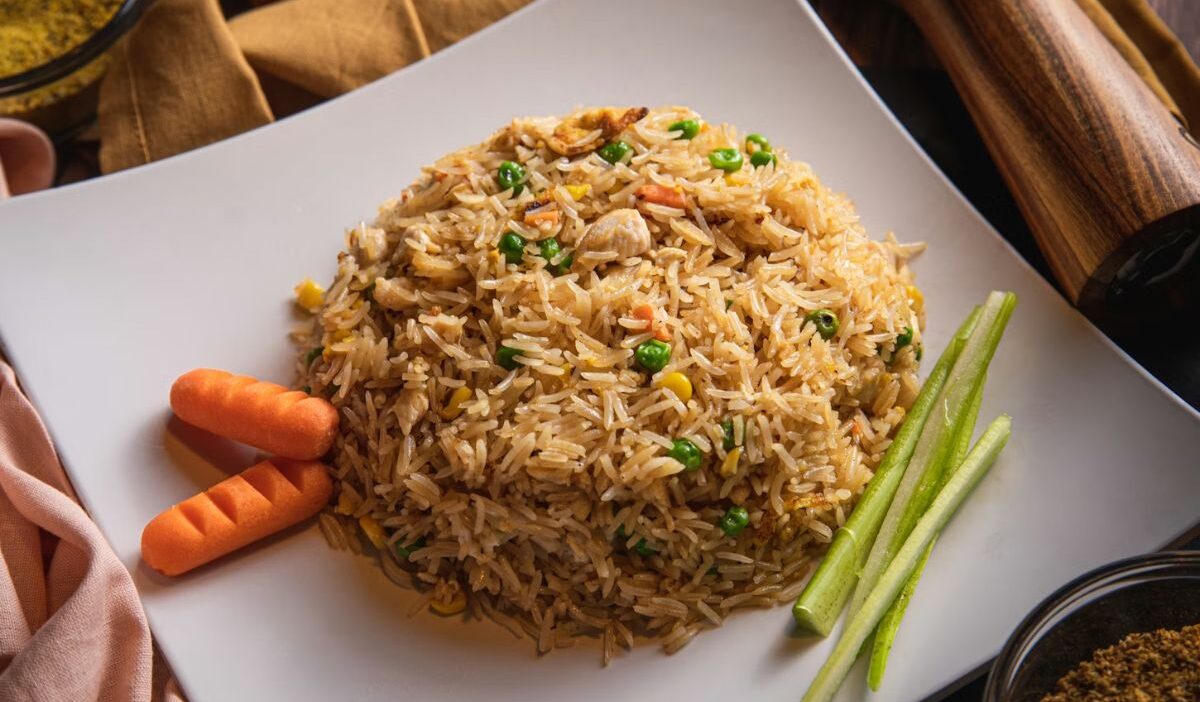
Is fried rice healthy seems like a simple question until one plate becomes much heavier than expected. Fried rice often appears as comfort food, a quick takeout order, or an easy way to use leftovers.
Rice, vegetables, eggs, maybe chicken or shrimp, the ingredients sound reasonable at first. This guide explores calories, oil, common fried rice varieties, and practical ways to make fried rice more balanced without losing flavor.
1. Is Fried Rice Healthy When You Look at Calories and Oil?
The answer to is fried rice healthy depends heavily on the amount of oil, portion size, ingredients, and preparation methods.
Fried rice often contains:
- Rice providing carbohydrates
- Oil adding calories
- Protein from eggs, chicken, shrimp, or meat
- Vegetables in varying amounts
- Sauces contributing sodium
The combination creates both benefits and tradeoffs. Oil matters especially because calories increase quickly.
2. A Look at Popular Fried Rice Varieties
Oil improves flavor and texture, though small increases may change calories quickly, which partly explains why is fried rice healthy depends on preparation.
Chicken Fried Rice: Higher Protein With Moderate Calories
Many people asking is chicken fried rice healthy are usually comparing it with heavier takeout meals. Chicken often provides a leaner source of protein than some red meats, which may help meals feel more satisfying without increasing fat as quickly.
However, the preparation still matters. Restaurant-style chicken fried rice may contain large amounts of oil, sodium-heavy sauces, and oversized portions that raise calories substantially. Homemade versions made with moderate oil, vegetables, and balanced portions generally create a more favorable nutrition profile.
Chicken fried rice may fit balanced eating habits more easily when paired with vegetables and prepared with lighter cooking methods rather than excessive sauces or added fats.
Shrimp Fried Rice: Often Lighter Than Meat-Based Versions
If you’re wondering is shrimp fried rice healthy, the answer is often more favorable compared with some pork or beef versions. Shrimp naturally provides protein while remaining relatively low in fat and calories.
That said, shrimp alone does not automatically make fried rice light or low-calorie. The amount of oil used during cooking still plays a major role. Large restaurant portions, extra butter, creamy sauces, or heavy soy sauce can quickly change the nutritional balance.
Homemade shrimp fried rice with vegetables and moderate oil may offer a more balanced option for people looking to keep calories more controlled while still enjoying a filling meal.
>>> Read more: Is Basmati Rice Healthy? A Practical Guide Must Know 2026
Pork Fried Rice: Usually More Calorie-Dense
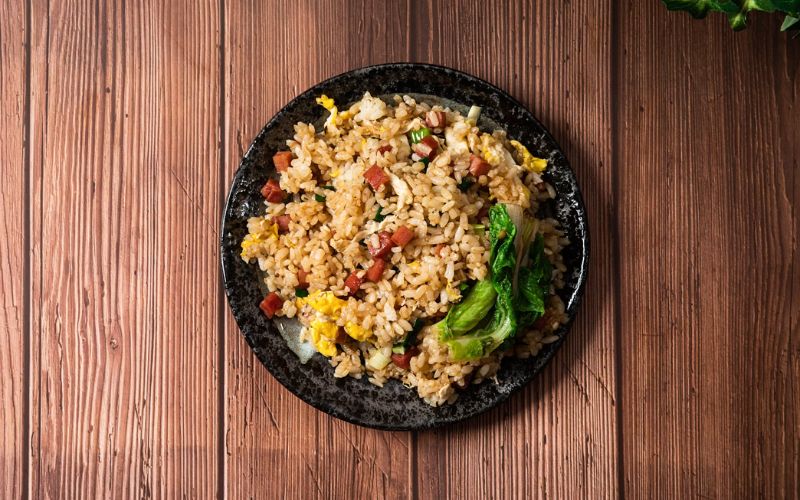
People asking is pork fried rice healthy should pay closer attention to fat content and portion sizes. Pork fried rice often becomes more calorie-dense because certain cuts of pork contain additional fat compared with chicken or shrimp.
The issue is not necessarily pork itself but the overall combination of fatty meat, oil, sauces, and large rice portions. Some takeout versions may also use processed pork products that increase sodium considerably.
Still, pork fried rice can fit into balanced eating habits when portions stay moderate, and vegetables make up a larger part of the meal. Homemade preparation usually gives much better control over oil and ingredient quality.
Vegetable Fried Rice: More Fiber, But Oil Still Matters
Many people assume the answer to is vegetable fried rice healthy is automatically yes because it contains more vegetables.
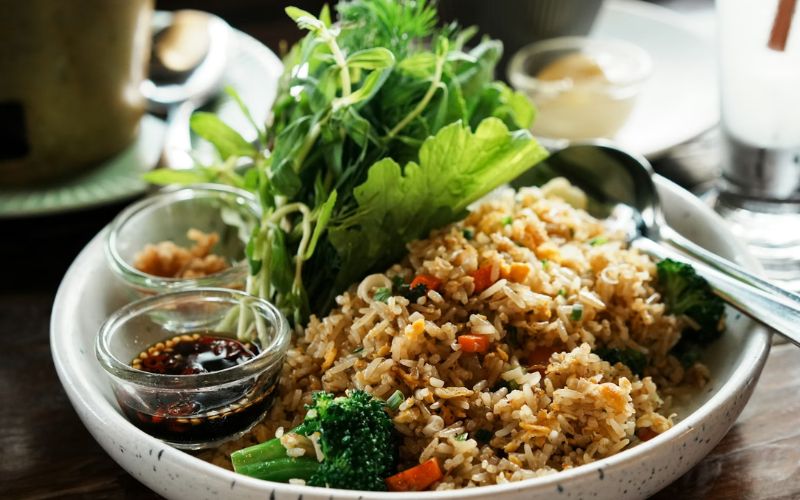
In many cases, vegetable fried rice may compare more favorably because vegetables add fiber, texture, and meal volume without increasing calories as quickly as extra meat or oil.
Vegetables such as peas, carrots, broccoli, spinach, bell peppers, and onions may also help improve fullness and nutrient variety.
However, vegetables alone do not guarantee a balanced meal. Heavy oil use, oversized portions, and salty sauces can still make vegetable fried rice surprisingly calorie-dense. Preparation methods remain one of the biggest factors in determining whether fried rice feels relatively balanced or excessively heavy.
3. Healthy Fried Rice Recipes Without Losing What Makes It Good
Improving the nutrition profile of fried rice does not necessarily require removing oil entirely, highlighting why is fried rice healthy often comes down to preparation methods rather than the dish itself.
Tip 1: Increase Vegetables Without Taking Away From Flavor
Adding vegetables changes more than vitamins and nutrients. Extra vegetables increase fiber and volume, which may help meals feel larger without increasing calories as quickly.
Steps:
- Add vegetables such as peas, carrots, bell peppers, broccoli, or spinach.
- Aim for vegetables to fill at least one-third of the pan.
- Cook vegetables first to keep their texture rather than overcooking them.
- Mix evenly with rice instead of using vegetables only as garnish.
Tip 2: Replace Higher-Fat Meats With Leaner Protein Sometimes
Protein often helps meals feel more satisfying and may become more favorable with leaner protein choices.
Steps:
- Choose chicken, shrimp, eggs, or tofu instead of higher-fat meats more often.
- Cook protein separately before mixing with rice.
- Keep portions moderate so protein complements rather than dominates the dish.
- Combine protein with vegetables for better balance.
Tip 3: Reduce Oil Gradually Rather Than Removing It Completely
Oil contributes heavily to fried rice texture and flavor. Removing all the oil often changes the dish too much.
Steps:
- Start by reducing oil slightly instead of cutting it entirely.
- Use nonstick pans when possible since they require less added fat.
- Add small amounts of broth or water during cooking if the rice feels dry.
- Taste before adding extra oil automatically.
Tip 4: Improve Fullness With More Protein and Fiber
Meals that combine protein + fiber + carbohydrates often create different fullness levels compared with rice alone
Steps:
- Add eggs, tofu, chicken, shrimp, or beans, depending on preference.
- Increase the consumption of vegetables to add more fiber.
- Pair fried rice with vegetables or lighter sides if portions seem small.
- Build meals around satisfaction rather than increasing rice volume alone.
Tip 5: Watch Sauces Carefully
Sauces often change nutrition faster than expected. Even moderate portions of soy sauce or added seasonings may increase sodium considerably.
Steps:
- Use smaller amounts of soy sauce initially.
- Add garlic, ginger, chili flakes, or spices to improve flavor without relying heavily on salt.
- Taste before adding extra sauce.
- Avoid stacking multiple salty condiments together.
>>> Read more: Is Indian Food Healthy? The Real Answer Goes Beyond the Curry
4. FAQs
How many calories are in fried rice per serving?
Calories vary widely depending on oil, protein, sauces, and serving size. A homemade version with moderate oil may contain fewer calories than restaurant portions.
Why is fried rice so high in calories?
Oil, larger portions, sauces, and calorie-dense ingredients often increase calories faster than expected. Because fats provide more calories per gram than carbohydrates or protein, even small increases in oil may change the nutrition profile considerably.
Can you eat fried rice and still lose weight?
Yes. Weight management often depends more on portion sizes, total calorie intake, protein, and eating patterns than on eliminating fried rice completely. A moderate serving with vegetables and lean protein behaves differently from oversized portions eaten regularly.
Conclusion
The answer to is fried rice healthy rarely comes down to fried rice alone. Oil, protein choice, vegetables, sauces, and portion sizes all change the nutritional picture more than many people expect.
A bowl made with moderate oil, lean protein, and extra vegetables may fit balanced eating habits differently from larger takeout portions eaten frequently.