

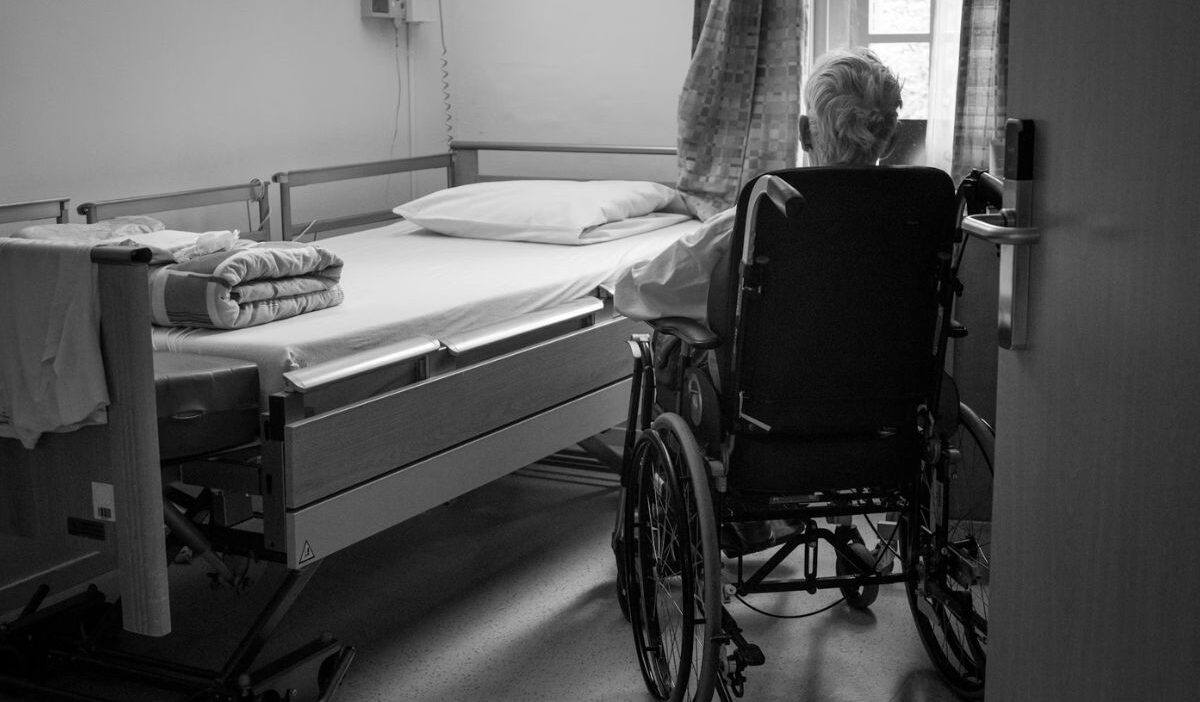
You sit beside a loved one and notice small changes each day. The focus is no longer on treatment, but on comfort and support. At that moment, a new concern begins to grow.
And it leads you to one key question: Does Medicaid cover hospice? Let’s walk through this step by step so you can make the right decision with clarity and confidence.
1. Does Medicaid Cover Hospice in General
Who qualifies for hospice coverage
Medicaid only covers hospice care when specific medical conditions are met. Eligibility is based on both diagnosis and care goals, not just age or general health status.
- Doctor-certified serious illness: A physician must certify that the patient is likely in the final stages of illness, typically with a limited life expectancy.
- Focus on comfort care: Treatment shifts from curing the illness to managing symptoms
- Expected limited prognosis: The condition is considered advanced based on medical evaluation
These factors work together to determine eligibility. When care is focused on comfort and supported by medical documentation, does Medicaid cover hospice care becomes more likely to be approved.
What hospice care includes
Hospice care under Medicaid is designed to support both physical and emotional needs. It is not limited to one type of service but includes a coordinated care approach.
- Medical care and pain management: Helps control symptoms and improve comfort
- Nursing and support visits: Regular check-ins from healthcare providers
- Medical equipment and supplies: Items needed for care at home or in a facility
- Emotional and family support: Counseling and guidance for both patient and family
Each service plays a role in the overall care plan. When combined, they show how does Medicaid cover hospice, extending beyond basic treatment into full support.

What Medicaid typically does not fully cover
While Medicaid covers many hospice services, some areas may have limits or conditions depending on the setting and care type.
- Room and board in certain cases: Not always fully covered outside approved facilities
- Non-medical personal expenses: Items not directly related to care are excluded
- Long-term custodial care: Daily assistance without medical need may have limits
This creates a clear distinction. Medical and supportive services are prioritized, while living and personal costs may not be fully included under does Medicaid cover hospice.
2. What Hospice Services Does Medicaid Cover
Does Medicaid cover hospice care services
The answer to does Medicaid cover hospice care services is generally yes when the care is part of an approved hospice plan. Covered services often include nursing visits, medications related to the condition, and support from a care team.
Does Medicaid cover hospice room and board?
When asking does Medicaid cover hospice room and board, the answer depends on the setting.
Medicaid may cover nursing home costs separately, while hospice covers medical and supportive services. Medical services are prioritized, while housing support depends on the situation.
Does Medicaid cover hospice in a nursing home?
Medicaid often covers hospice care provided in a nursing home. In this case, the nursing home provides daily care, while hospice focuses on comfort and medical support.
This creates a layered system. Facility care and hospice care work together, which makes does Medicaid cover hospice in a nursing home more likely to be supported.
>>> Read more: Does Medicaid Cover Hearing Aids? Quick Guide 2026
3. Does Medicaid Cover 24 Hour In Home Hospice Care
The question does Medicaid cover 24 hour in home hospice care depends on the level of care needed. Medicaid may cover hospice services delivered at home, including visits from nurses and support staff.
However, full 24-hour in-home care is not always covered unless it is medically necessary for short periods. Continuous care is usually provided during critical moments rather than as a long-term arrangement.
4. Choosing Hospice Care With Medicaid
Choosing hospice care under Medicaid involves more than just confirming coverage. You need to match your needs with the right provider and care setup so everything works smoothly.
- Confirm eligibility early: Make sure the patient meets hospice criteria before starting care. This helps avoid delays in does Medicaid cover hospice approval.
- Choose a provider that accepts Medicaid: Not all hospice providers work with Medicaid, so verifying this step ensures services are covered.
- Understand the care setting: Hospice can be provided at home, in a nursing facility, or in a hospice center. The setting affects how does Medicaid cover hospice care.
- Review included services: Ask what is covered, such as nursing visits, medications, and equipment, to avoid confusion later.
- Check room and board details: Coverage for housing varies, especially when asking does Medicaid cover hospice room and board, so confirm this in advance.
- Coordinate with the care team: Work closely with doctors and hospice staff to keep the care plan aligned with Medicaid requirements.
- Monitor ongoing coverage: Keep track of updates, approvals, and any limits to ensure care continues without interruption.

5. FAQs
Does Medicaid cover hospice care completely?
Medicaid covers most hospice services related to medical care and comfort, but it may not cover all living expenses or non-medical costs.
Does Medicaid cover hospice room and board fully?
Coverage depends on the setting. Medicaid may cover room and board in certain facilities, but not always in every situation.
Can hospice care be provided at home?
Yes, hospice care can often be provided at home, but the level of support depends on medical need and care plans.
Conclusion
Many families feel uncertain when planning hospice care because they are not sure what Medicaid will cover. This uncertainty can create hesitation at a time when decisions matter most.
As you begin to understand how does Medicaid cover hospice care works, those concerns start to become clearer. With the right information and support, it becomes easier to focus less on the process and more on ensuring comfort, dignity, and care for your loved one.