

Is couscous healthy enough to fit into balanced meals, or is it simply another refined wheat product with a healthier image? People often ask that question when replacing rice or pasta with couscous during lunch or dinner.
This guide explains the nutrition profile of couscous, how it compares with other grains, and whether it fits into healthy eating patterns.
1. Is Couscous Healthy?
Yes, couscous can be part of a balanced diet when eaten in reasonable portions and paired with nutrient-dense foods.
Traditional couscous is made from semolina wheat. Even though it looks similar to a grain, it is technically a small pasta. That detail matters because couscous usually contains less fiber than whole grains such as quinoa or brown rice.
Still, couscous offers several nutritional advantages:
- Quick cooking time
- Moderate protein content
- Low-fat naturally
- Easy meal pairing with vegetables and lean proteins
- Selenium, a mineral linked to immune function
The health impact also changes based on how couscous is prepared.
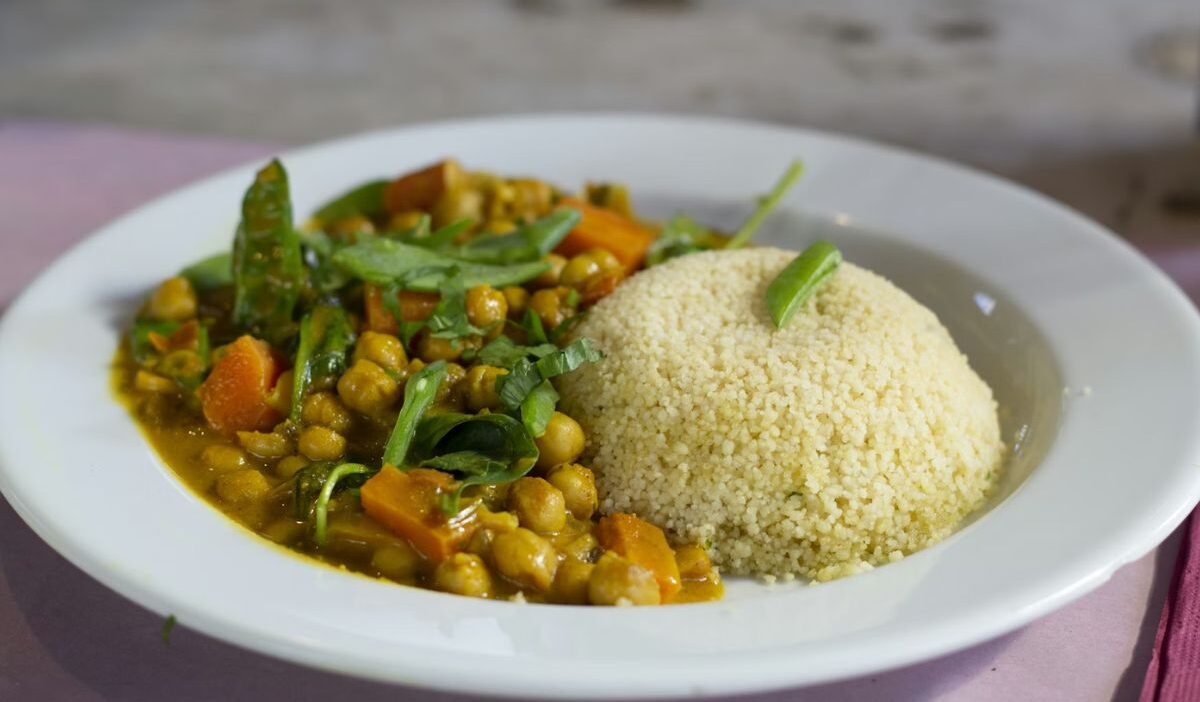
A vegetable-heavy couscous bowl with chickpeas and olive oil affects fullness differently from a large serving mixed with processed meats and creamy dressings.
That difference explains why the answer to is couscous healthy depends less on the ingredient alone and more on the full meal structure.
Is Couscous Healthy for Weight Loss?
Yes, couscous can fit into a weight loss diet when portion sizes stay moderate and meals include vegetables and protein.
Couscous feels relatively light once cooked, though calorie intake can rise quickly when it becomes the largest part of the plate or is paired with creamy sauces. Whole wheat couscous usually supports fullness better because of its higher fiber content.
For example, a bowl containing grilled chicken, roasted vegetables, herbs, and a small serving of couscous creates a different calorie balance than a large restaurant portion covered in creamy sauce.
Is Couscous Healthy for Diabetics?
Yes, couscous can work for people with diabetes when eaten in controlled portions and combined with fiber-rich foods, healthy fats, and protein.
Regular couscous may raise blood sugar faster than higher-fiber grains because it is made from refined wheat, though whole wheat couscous is usually a better option for a steadier glucose response.
Couscous eaten alone behaves differently from couscous paired with salmon, spinach, cucumbers, olive oil, and beans. Protein, fat, and fiber work together to slow digestion and support a steadier blood sugar response.
2. A Peek Into Nutritional Profile of Couscous
Understanding the nutrition profile helps explain why is couscous healthy becomes a more layered question than it first appears.
A standard cooked serving of couscous usually contains:
- Carbohydrates for energy
- Moderate plant-based protein
- Small amounts of fiber
- Selenium
- B vitamins
- Low-fat naturally
Selenium stands out because it supports immune and thyroid function.
At the same time, couscous is not considered a high-fiber food unless whole wheat varieties are used. That creates an important contrast.
Couscous digests more quickly than some whole grains, though it still works well in balanced meals when vegetables, legumes, or protein sources are included. Pearl couscous introduces another variation.
>>> Read more: Is Coleslaw Healthy? Nutrition Facts, Benefits, and the Truth
3. Couscous vs Other Grains
When asking is couscous healthy, many people focus only on calories, even though digestion speed, fiber, and fullness also matter.
| Food | Fiber Level | Protein | Texture | Digestion Speed |
| Couscous | Low to medium | Moderate | Light | Moderate to faster |
| Brown rice | Medium | Moderate | Firm | Moderate |
| Quinoa | Higher | Higher | Slightly nutty | Often steadier |
| Barley | High | Moderate | Chewy | Often steadier |
| White rice | Low | Low | Soft | Faster |
4. Balanced Couscous Recipes for Nutritious Meals
Part of the answer to is couscous healthy depending on how it is prepared, and recipes built around colorful vegetables, herbs, healthy fats, and protein usually create a more balanced meal.
- Mediterranean Couscous Bowl
Combine couscous with cucumbers, tomatoes, chickpeas, parsley, olive oil, and grilled chicken. This meal combines fiber, protein, and vitamin-rich vegetables in one balanced bowl.
- Lemon Salmon Couscous
Serve baked salmon over whole wheat couscous with spinach and roasted zucchini. The mix of omega-3 fats, selenium, and leafy greens supports overall meal quality.
- Vegetable Turmeric Couscous
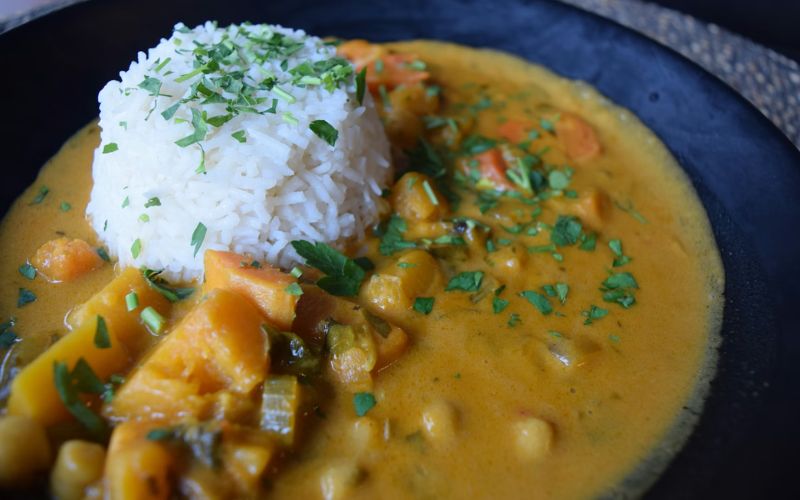
Cook couscous with turmeric, carrots, peas, garlic, and onions. This recipe adds color, fiber, and plant compounds without making the meal feel too heavy.
- Chickpea and Herb Couscous Salad
Mix couscous with chickpeas, mint, parsley, cucumbers, and lemon juice. The beans increase fiber and protein while fresh herbs brighten the flavor naturally.
- Garlic Shrimp Pearl Couscous
Pair pearl couscous with shrimp, spinach, garlic, and cherry tomatoes. The chewy texture of pearl couscous works well with seafood and vegetables for a filling dinner.
>>> Read more: Is Sourdough Bread Healthy? What You Should Actually Know
5. FAQs
Is couscous healthy for you compared to rice?
Yes, couscous can be a healthy alternative to rice, especially when paired with vegetables and protein. Whole wheat couscous usually contains more fiber than white rice, while brown rice may still offer higher fiber overall.
Is pearl couscous healthy for everyday meals?
Yes, pearl couscous can fit into everyday meals when eaten in balanced portions. Pairing it with vegetables, beans, or lean protein usually creates a more filling and balanced meal.
Is whole wheat couscous healthier than regular couscous?
Whole wheat couscous usually contains more fiber than regular couscous, which may help support fullness and steadier digestion. Regular couscous can still fit into balanced meals, but whole wheat versions are often considered the more nutrient-dense option.
Conclusion
For many people, the answer to is couscous healthy is yes, especially when it is paired with vegetables, protein, and balanced portions. Whole wheat couscous usually offers more fiber and better fullness than refined versions.
The main takeaway is that couscous works best as part of a balanced meal rather than a large standalone serving. Portion size, meal balance, and ingredient quality still shape the overall nutrition value.