


Is sourdough bread healthy enough to be a better everyday choice than regular bread? That question often comes up when people try to eat more carefully without cutting bread out completely.
The answer usually comes down to ingredients, fermentation time, and how the bread is prepared. This guide explains what makes sourdough different, how it compares to other breads, and what to look for when choosing a healthier loaf.
1. Is Sourdough Bread Healthy
Yes, sourdough bread can fit well into a balanced eating pattern. Still, the health value depends on how the bread is made and what ingredients are used.
Traditional sourdough relies on a starter made from wild yeast and natural bacteria. That starter slowly ferments the dough over several hours, sometimes longer than a full day. During that process, the microorganisms interact with the starches and proteins inside the flour.
That slow activity changes the bread in several ways:
- Fermentation may change how some starches are broken down during digestion.
- Some sourdough breads may lead to a slower blood sugar response compared to highly processed white bread.
- Fermentation may help reduce compounds that interfere with mineral absorption.
- Flavor and texture shift without relying on large amounts of sugar or additives.
At the same time, sourdough is still bread. It still contains carbohydrates and calories. Eating large portions daily while ignoring overall nutrition patterns will not suddenly create better health outcomes.
The more useful question is not simply “is sourdough bread healthy,” but how it compares to the bread people already eat on a daily basis.

Is homemade Sourdough Bread healthy?
Yes, making sourdough at home also gives people a clearer idea of what actually goes into the bread compared to many packaged options. Some supermarket breads use the word “sourdough” mainly for flavor while still relying on additives and short production times.
Still, homemade bread is not automatically lighter in calories. Adding large amounts of butter, oil, cheese, or sweeteners changes the nutrition profile quickly. The healthier result usually comes from simple ingredients paired with a proper fermentation period.
2. Why Is Sourdough Bread Good for Your Health?
Part of the reason people keep asking “is sourdough bread healthy” comes back to fermentation. The process changes how the bread behaves before it even reaches the oven.
- The role of fermentation
A sourdough starter contains wild yeast and lactic acid bacteria living together. When flour and water mix with the starter, those microorganisms begin feeding on natural sugars inside the dough. As fermentation continues, acids form slowly.
- Gut and digestion benefits
One reason people continue asking is sourdough bread healthy comes from digestion. Fermentation may produce compounds that support digestion and gut health, although sourdough bread is not considered a probiotic food.
The fermentation process can also affect how heavy bread feels after eating. Some people report that properly fermented sourdough feels easier to tolerate than heavily processed white bread, although experiences vary from person to person.
- Blood sugar impact
Blood sugar response is another reason sourdough draws attention. When bread digests rapidly, glucose enters the bloodstream quickly. That rise may lead to a sharper insulin response followed by an energy drop later.
Sourdough fermentation changes the bread structure in a way that may slow digestion. Organic acids formed during fermentation may help slow digestion slightly, which can contribute to a steadier blood sugar response.
- Cause-effect relationship
The discussion around why is sourdough bread healthy becomes clearer when viewed as a connected process rather than a single nutrition claim.
Long fermentation changes the dough.
Those changes affect digestion speed.
Digestion speed affects blood sugar response and fullness.
Fullness can affect eating patterns later in the day.
>>> Read more: Batana Oil for Hair: Uses, Benefits, Safety & What to Expect
3. How Healthy Is Sourdough Bread Compared to Other Breads
People asking is sourdough bread healthy often focus on labels instead of processing methods. Standard white sandwich bread usually uses refined flour, commercial yeast, and shorter rising times for softness and shelf life.
| Bread Type | Fermentation Time | Fiber Level | Blood Sugar Response | Texture |
| White sandwich bread | Short | Low | Faster | Soft and uniform |
| Whole wheat bread | Short to medium | Medium to high | Moderate | Dense |
| Traditional sourdough | Long | Depends on flour | Often slower | Chewy with open crumb |
| Whole grain sourdough | Long | High | Slower in many cases | Dense yet airy |
4. How to Choose Healthier Sourdough Bread
Not every loaf labeled sourdough follows traditional methods, so whether is sourdough bread healthy often depends on how the bread is made.
What to look for
A healthier sourdough loaf often includes:
- Short ingredient lists
- Flour, water, salt, and starter as main ingredients
- Whole grain flour or mixed grain flour
- Longer fermentation language from the bakery
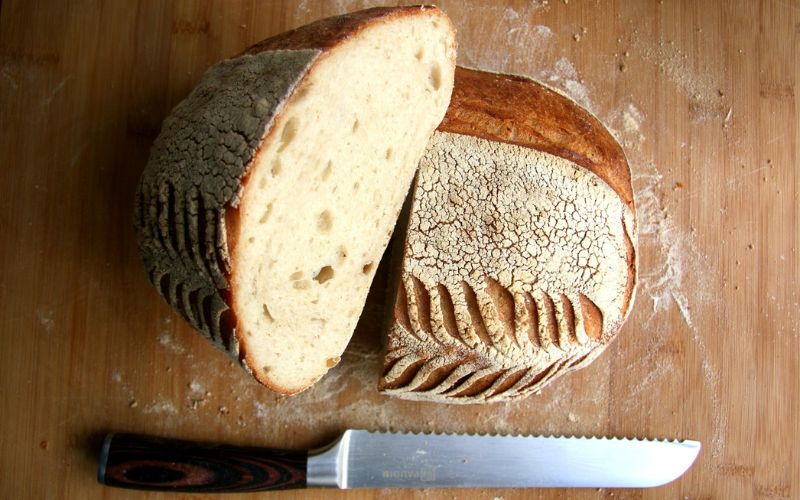
- Dense texture with a natural crust
Local bakeries sometimes explain fermentation time directly. A loaf fermented overnight or longer often reflects more traditional preparation.
What to avoid
Certain signs may point toward a more processed loaf:
- Added sugars near the top of the ingredient list
- Artificial preservatives
- Dough conditioners
- Excess oils
- “Sourdough flavor” without mention of starter fermentation
Texture can also give clues. Extremely soft packaged bread with a sour flavor may rely more on additives than natural fermentation.
5. FAQs
Is sourdough bread healthy for you every day?
Yes, sourdough bread can fit into a daily diet when eaten in balanced portions and paired with nutrient-dense foods. Whole-grain sourdough with a long fermentation process is usually a better option than highly processed white bread, though overall eating habits still matter.
Why is sourdough bread healthy compared to regular bread?
The fermentation process changes the bread before baking. That slower process may support easier digestion, steadier blood sugar response, and improved mineral availability compared to many commercial white breads.
How healthy is sourdough bread for weight management?
Sourdough may support fullness longer than highly processed bread, especially when made with whole grains. Still, weight management depends on overall eating patterns, activity level, sleep, stress, and portion size.
Conclusion
So, is sourdough bread healthy? For many people, it can be a better bread choice when made with simple ingredients and a proper fermentation process.
Compared to heavily processed white bread, traditional sourdough may support steadier digestion, improved fullness, and a slower blood sugar response. Rather than focusing on labels alone, it helps to look at how the bread is prepared and how it fits into overall eating habits.