

Is lamb healthy? It’s a fair question, especially if you’re trying to eat well without giving up the foods you actually enjoy.
Lamb brings a lot to the table nutritionally: complete protein, iron, zinc, and B vitamins in amounts that are hard to match. At the same time, it runs higher in saturated fat than chicken or fish, so how often you eat it and which cuts you choose make a real difference.
If you’re trying to figure out whether lamb deserves a regular spot on your plate, read on.
1. Is Lamb Healthy for You? What the Nutrition Data Actually Shows
1.1 Key Nutrients in Lamb: Protein, Iron, Zinc, and B Vitamins
A 100-gram serving of cooked lamb leg provides approximately:
- Calories: 258
- Protein: 25 grams
- Fat: 17 grams (7 grams saturated)
- Iron: 2.7 mg (15% of daily value)
- Zinc: 4.5 mg (41% of daily value)
- Vitamin B12: 2.7 mcg (112% of daily value)
- Niacin (B3): 6.3 mg (39% of daily value)
Per the USDA FoodData Central, lamb is particularly notable for its zinc content, which supports immune function, wound healing, and normal metabolic function. Its heme iron is more bioavailable than plant-based iron sources.
1.2 How Lamb Compares to Beef, Pork, and Chicken Nutritionally
Lamb is higher in fat than skinless chicken breast but comparable to beef in most nutritional metrics. A 100-gram cooked serving comparison:
- Lamb leg: 258 cal, 25g protein, 17g fat, 7g saturated fat.
- Lean beef (sirloin): 207 cal, 26g protein, 10g fat, 4g saturated fat.
- Pork loin: 190 cal, 27g protein, 8g fat, 3g saturated fat.
- Chicken breast (no skin): 165 cal, 31g protein, 3.6g fat, 1g saturated fat.
Lamb has more fat than the others, but also delivers high zinc, B12, and iron. It is nutritionally richer than chicken in micronutrients, though higher in calories and saturated fat.
>>> Read more: Is Mac and Cheese Healthy? A Complete Nutrition Guide
1.3 The Red Meat Debate: How Often Is It Safe to Eat Lamb?
Some research has linked high long-term consumption of red meat to increased health risks, which is why most nutrition organizations recommend moderation.
This applies to all red meat, including lamb. The concern is most associated with processed red meat; unprocessed lamb in moderate amounts carries a lower risk.
Current guidance from most nutrition bodies suggests limiting unprocessed red meat to two to three servings per week. A serving is approximately 85 to 100 grams of cooked meat.
For most healthy adults, moderate intake of unprocessed lamb can fit into a balanced diet.
2. Understanding the Healthiness of Different Lamb Cuts
2.1 Lamb Fat and Its Nutritional Profile
Is lamb fat healthy? It contains more saturated fat than unsaturated fat, which is the primary concern with lamb for heart health.
However, lamb fat also contains conjugated linoleic acid (CLA), a fatty acid associated with anti-inflammatory effects in some research contexts.
Visible fat on lamb cuts should be trimmed before cooking to reduce saturated fat intake.
Grass-fed lamb contains a more favorable omega-6 to omega-3 ratio than grain-fed lamb, which is a modest but meaningful nutritional advantage.
2.2 Ground Lamb: Protein, Fat, and What to Consider
Is ground lamb healthy? It depends on the fat percentage. Regular ground lamb is typically 20 to 25% fat by weight.
A 100-gram cooked serving contains approximately 280 to 300 calories and 18 to 22 grams of fat, including 8 to 10 grams of saturated fat.
Lean ground lamb (15% fat) is available at some butchers and provides a better nutritional profile. Ground lamb is versatile and practical.
The key is treating it like ground beef: moderate portions, balanced with vegetables and fiber-rich foods.
2.3 Lamb Chops: Nutritional Benefits and Concerns
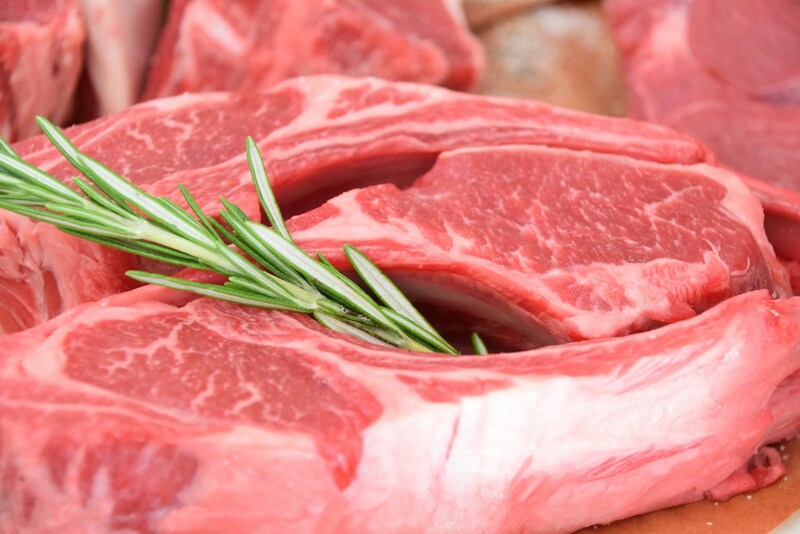
Is lamb chops healthy? Loin and rib chops are tender cuts that are naturally higher in fat than leg meat.
A single cooked loin chop (about 80 grams of meat after bone removal) provides approximately 200 calories, 20 grams of protein, and 13 grams of fat.
Rib chops have more marbling and are the fattiest common cut. Loin chops are lean. Shoulder chops fall in between. Trimming visible fat before cooking reduces the calorie and saturated fat load without significantly affecting protein content.
3. FAQs
Is Lamb Healthy for Weight Loss?
It can be, as long as portions are kept in check. Lamb is calorie-dense, but a 100-gram serving of lean lamb leg delivers around 25 grams of protein, which goes a long way in keeping hunger at bay. Leaner cuts like leg or loin, with visible fat trimmed before cooking, give you the most protein for the calories.
Can People with High Cholesterol Eat Lamb?
Yes, in moderation. The main consideration is saturated fat, which can raise LDL levels, so portion size and frequency matter. Sticking to leaner cuts and enjoying lamb once or twice a week works well within most cholesterol management plans. Those with more severe cholesterol concerns are best off checking with their healthcare provider first.
How Many Times a Week Can You Eat Lamb on a Healthy Diet?
Two to three times a week is a reasonable guide for most healthy adults. Mixing in fish, poultry, legumes, and plant-based proteins throughout the week helps keep saturated fat intake balanced and adds useful nutritional variety.
Is Lamb Healthier Than Beef?
It’s more of a trade-off than a clear winner. Lamb tends to be higher in zinc and certain beneficial fats, while lean beef cuts generally come in lower on total fat and calories. Both offer complete protein, heme iron, and B12 in meaningful amounts. Rather than choosing one over the other, focusing on lean cuts and sensible portions of either will serve you better.
4. Conclusion
Is lamb healthy? Yes, as a nutrient-dense red meat eaten in appropriate amounts. It provides high-quality protein, bioavailable iron, exceptional zinc content, and B12 in amounts few foods match.
The considerations are saturated fat and frequency. Lean cuts, trimmed fat, and two to three servings per week are the practical guidelines that make lamb a healthy part of a balanced diet.