
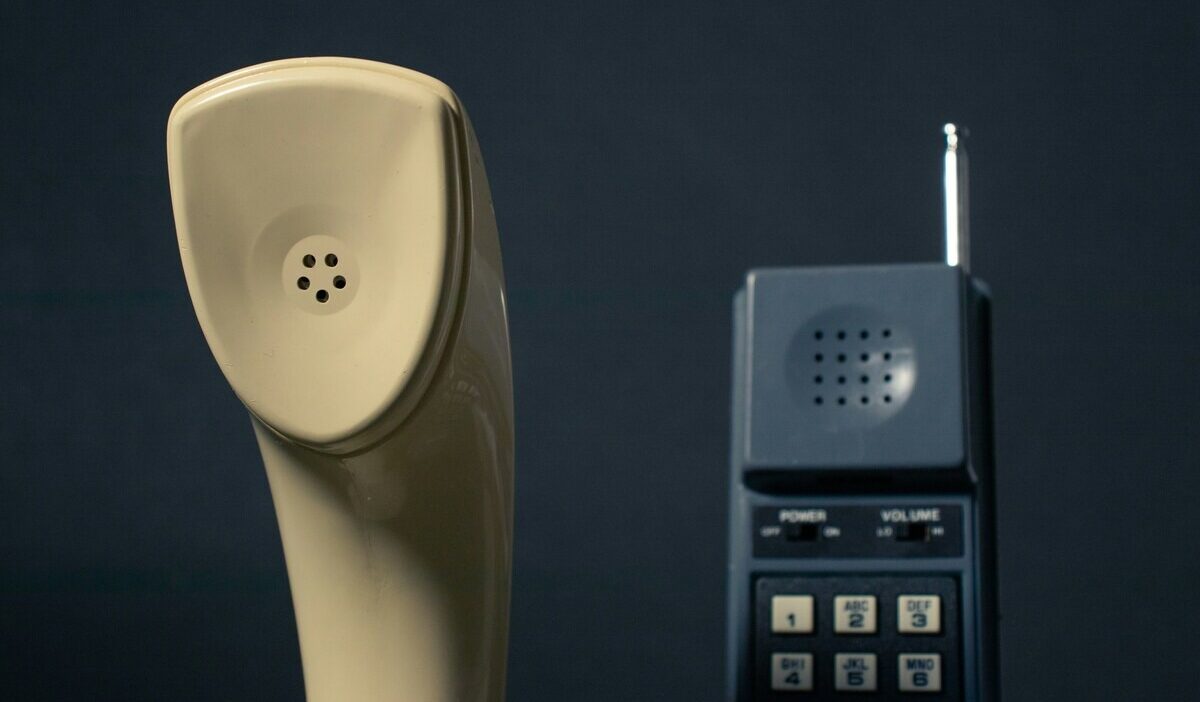
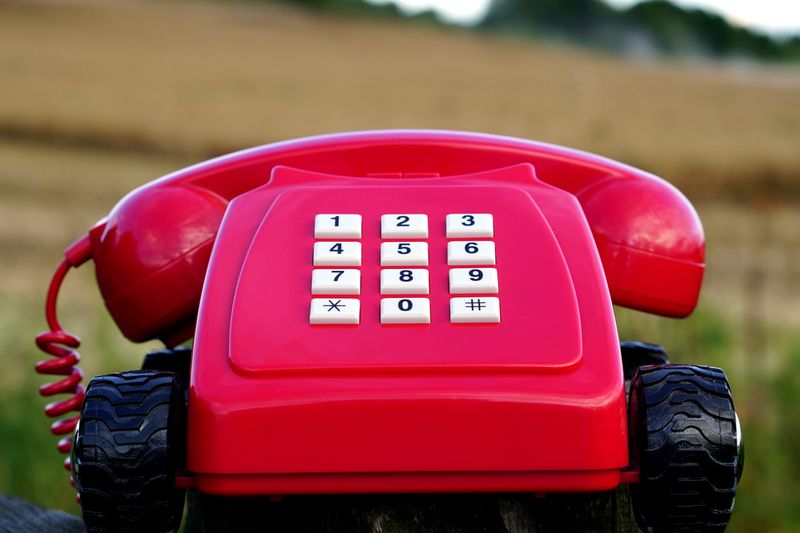
The Tin Can phone is a screen-free home phone made for kids. It looks like a retro landline, but it connects through your home Wi-Fi. There are no apps, no texting, no internet access. Kids can only make voice calls to contacts that a parent approves through a companion app.
The device costs $100 and has gone viral among families looking to delay smartphone use. This review covers how it works, what the plans cost, and whether it is worth buying.
1. What Is the Tin Can Phone?
The Tin Can phone is a Wi-Fi landline designed for children. It plugs into a wall outlet and connects to your home internet. Kids pick up the handset and dial approved contacts. Parents control the contact list, set quiet hours, and enable 911 calling through a free app on their own phone.
The Tin Can kids phone currently sold through the official website is a $100 Wi-Fi-enabled home phone available in four colors: Answer Me Aquamarine, Static White, Landline Lemon, and Later Alligator Lilac.
Tin Can also maintains support materials for an earlier Flashback setup, which uses an adapter connected directly to a router. However, Flashback is not listed on the current official order page, so it should not be described as a currently available second model unless its availability is confirmed before publication.
The current Tin Can has no screen, camera, browser, apps, games, or texting. It requires electrical power and an internet connection, so it functions as a stationary home phone rather than a portable mobile device.
2. Tin Can Phone Safety and Parent Controls
Calls do not pass through the parent companion app. Instead, the Tin Can uses an internet-based calling service, while the app lets parents manage approved contacts, Quiet Hours, voicemail, and emergency-call settings.
Only approved contacts can communicate with the phone. For Tin Can-to-Tin Can calls, both devices must approve the connection. Calling or receiving calls from regular cell phones and landlines requires the Party Line plan.
The app gives parents access to these controls:
- Approved contacts: Only approved Tin Can users or external phone numbers can call or be called.
- Quiet Hours: Regular incoming and outgoing calls are disabled during scheduled times. However, 911 can still be called during Quiet Hours if emergency calling has been enabled.
- 911 calling: Emergency calling can be turned on or off through the app. An emergency address must be registered, and address verification may take up to three business days.
- No apps, texting, or browsing: Children cannot install apps, send texts, play games, or browse the web on the device.
There is nothing for kids to download, browse, or get distracted by. The phone does one thing, and parents control how it does it.
3. Tin Can Phone Plans and Pricing
The Tin Can phone costs $100 for the device. Calling other Tin Can phones is free with the Can2Can plan. To call regular cell phones and landlines, you need the Party Line plan at $9.99 per month.
Both plans support 911 calling when enabled in the parent app. Each new phone includes one free month of Party Line.
| Feature | Can2Can (Free) | Party Line ($9.99/mo) |
| Device cost | $100 | $100 |
| Call other Tin Cans | Yes | Yes |
| Call cell phones/landlines | No | Yes (approved contacts only) |
| 911 calling | Yes (enable in app) | Yes (enable in app) |
| Quiet Hours | Yes | Yes |
| Monthly cost | $0 | $9.99 |
These are current U.S. prices. The Party Line plan costs $9.99 per month and includes a free 30-day introductory period. Tin Can also offers an annual subscription, while pricing outside the United States can vary.
Both plans can support 911 when parents enable the feature. However, Tin Can requires electrical power and an active internet connection for every call. It cannot call 911 during a power or internet outage and should not be treated as a complete replacement for a hardwired emergency phone.
Families with multiple kids who each have a Tin Can get the most value from the free Can2Can plan. If your child needs to call grandparents, relatives, or friends on regular phones, the $9.99 monthly Party Line plan is required.
>>> Read more: Bark Phone Reviews 2026: What Parents Must Know Now
4. Pros and Cons of the Tin Can Phone
The Tin Can phone gives kids a way to call friends and family without screen time. Parents control every contact. The biggest downsides are that call quality depends on your Wi-Fi, the device only works at home, and calling non-Tin Can numbers requires a monthly subscription.
| Pros | Cons |
| Screen-free, with no apps, games, texting, or browser | Requires electrical power and a stable internet connection |
| Parent-managed approved contacts | Not designed for communication away from home |
| Free calls between approved Tin Can devices | Regular mobile and landline calls require the paid Party Line plan |
| 911 can be enabled on either plan | Emergency calling fails during a power or internet outage |
| Quiet Hours and Do Not Disturb controls | Quiet Hours, contacts, and other settings require the parent app |
| Retro design encourages voice conversations | Long-term interest may vary by child and whether friends also use Tin Can |
>>> Read more: Pinwheel Phone: What It Is, Reviews, and Where to Buy.
5. What Parents Are Saying About the Tin Can Phone
Tin Can phone reviews are mixed but generally reflect strong interest in the screen-free concept. Testimonials on the company’s website praise the independence children gain from calling friends and relatives without using a smartphone. However, these are selected company-hosted testimonials rather than independent customer research.
Independent reviews have praised the approved-contact system and the way the phone lets children arrange playdates or speak with grandparents on their own. However, reports have also identified inconsistent call quality, button issues, and uncertainty about how long children remain interested in the device.
The company experienced a significant service disruption on December 25, 2025, when call volume increased to more than 100 times its normal level. Tin Can later acknowledged that some call-quality and reliability problems continued while the company worked on improvements.
Shipping information should also be updated. The official product page currently says that Batches 1 through 6 are sold out and that new orders are expected to ship within four to six weeks. Replace the outdated claim that the company is “shipping Batch 6 as of June 2026.”
Overall, the feedback suggests that Tin Can can work well for children who enjoy voice calls and have friends or relatives available to call. Its value may be lower when few approved contacts use Tin Can or when the child quickly loses interest in phone conversations.
6. Who Is the Tin Can Phone Best For
The Tin Can phone fits some families better than others. Here is a quick breakdown.
A good fit for:
- Parents who want to delay giving their kids a smartphone
- Kids who want to call friends or grandparents on their own
- Families with strong, stable home Wi-Fi
- Neighborhood friend groups where multiple families use Tin Can
Not the right fit for:
- Kids who need mobile communication outside the home
- Parents who want GPS tracking
- Families who need texting or messaging
- Homes without reliable Wi-Fi
- Anyone expecting a full kids’ smartphone replacement
7. Frequently Asked Questions
Q1. Is the Tin Can phone worth it?
For families with kids ages 6 to 10 who want screen-free communication, it can be a good fit. It works best when multiple friends or family members also have one, since Tin Can-to-Tin Can calling is free. If your child already wants texting or portable use, a basic kids’ phone may be a better choice.
Q2. Can the Tin Can phone call 911?
Yes, on both the free and paid plans after a parent enables emergency calling in the app. Tin Can requires power and internet access, so it cannot call 911 during an outage.
Q3. What age is the Tin Can phone best for?
There is no universal age range. It is best suited to children who can dial independently, follow emergency-calling rules, and enjoy voice conversations with approved friends or relatives.
Final Words
The Tin Can phone offers a simple, screen-free way for kids to talk with approved friends and family. At $100 plus an optional $9.99 monthly plan, it is affordable compared to most kids’ smartwatches or phones. The trade-offs are home-only use, Wi-Fi-dependent call quality, and limited appeal for older kids.
For younger children who are not ready for a smartphone, it can be a solid first step toward independence. Check the latest batch availability on the official site before ordering.